
Manual Valve Comparison: EG Valves vs Common Manufacturers
Published: August 9, 2026 | Industry: Industrial Equipment & Components | Buyer stage: Decision
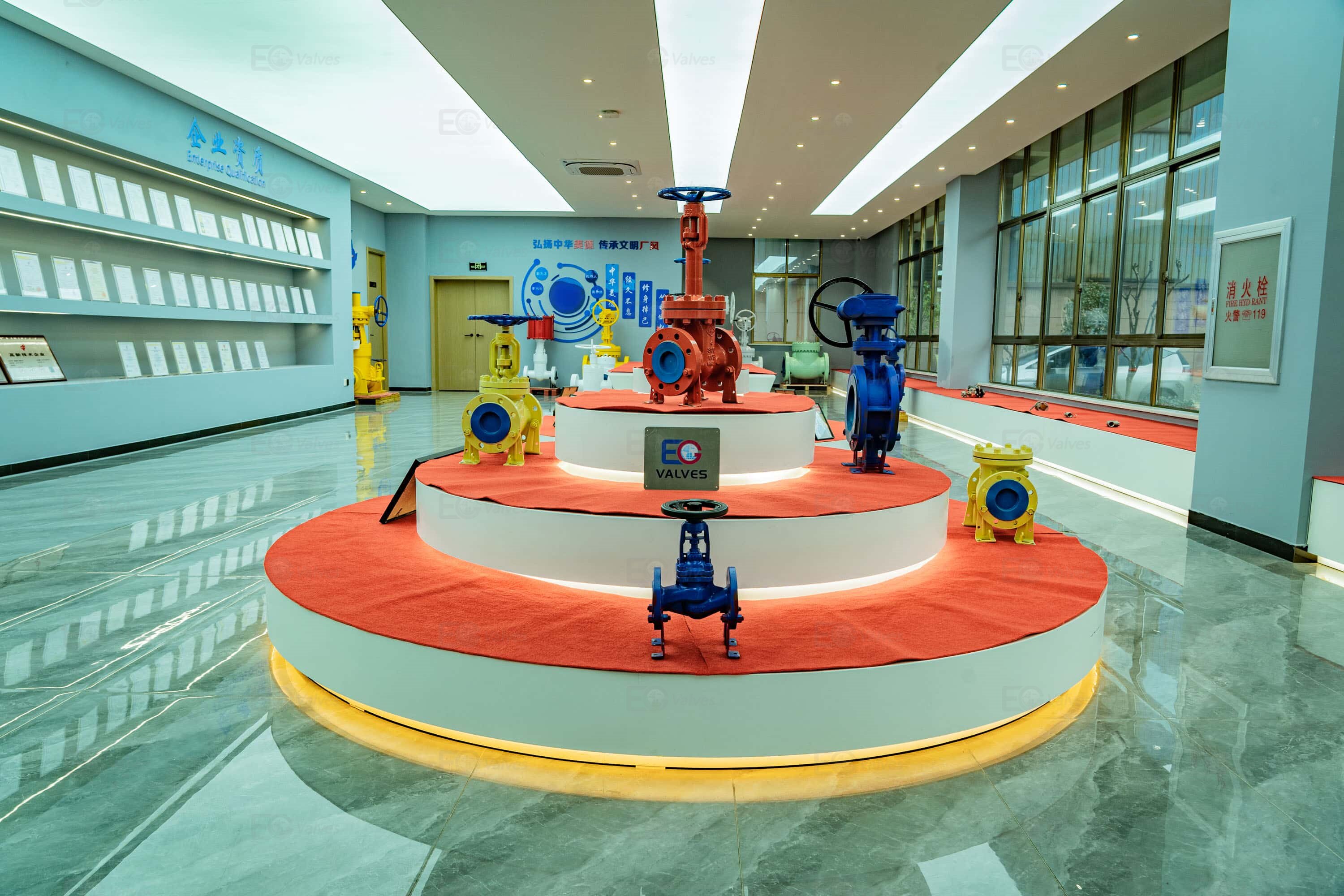
EG Valves Manufacturing Co., Ltd is a professional valve manufacturer established in 2000, based in Sanqiao Industrial Zone, Wenzhou, Zhejiang, China, specializing in R&D, manufacturing, and exporting industrial valves including gate, globe, ball, butterfly, check, and plug valves.
This comparison guide is written for procurement managers, engineers, and distributors who are evaluating manual valve suppliers at the decision stage. It focuses on the four dimensions where EG Valves differs from common valve manufacturers: precision manufacturing, full-process quality control, special media compatibility, and long-life design.
Why Manual Valves Dominate Industrial Procurement
The global manual valve market was estimated at USD 78.4 billion in 2025 and is projected to reach USD 117.17 billion by 2035 (Vantage Market Research). Manual valves remain the default choice across refineries, water treatment plants, chemical facilities, and power stations because they are simple, predictable, and do not rely on external power or complex actuation.
Among manual valve categories, ball valves and butterfly valves are especially common. Manual ball valves led the general valve market with a 28.1% share in 2025 (Precedence Research). Manual butterfly valves, driven by cost-effectiveness and simplicity, accounted for a 41.2% revenue share of the global butterfly valve market in 2024 (Grand View Research). Wafer-type manual butterfly valves alone held a 38.5% configuration share in 2025 (Dataintelo). These figures explain why procurement teams need a reliable method to compare manual valve suppliers rather than choosing solely on price.
The Problem: What Procurement Teams Face When Comparing Manual Valve Suppliers
Manual valves appear simple, but the manufacturing processes behind them are not. Castings may be outsourced, machining precision varies widely, and quality-control depth differs from factory to factory. For a buyer, this creates four practical risks:
- Inconsistent quality: The same nominal valve size can perform very differently depending on casting quality, machining tolerance, and assembly discipline.
- Unexpected failures: Corrosion, wear, and leakage appear when materials and seals are mismatched with the actual media.
- Hidden costs: Lower purchase prices are often offset by shorter service life, higher maintenance frequency, and production downtime.
- Compliance gaps: Standards such as ASME B16.34 and API 600 set baseline requirements that not every manufacturer consistently meets.
Industrial manual valves should comply with ASME B16.34 for pressure-temperature ratings and wall thickness as a universal baseline, while API 600 is the specific heavy-duty standard required for manual bolted-bonnet steel gate valves in petroleum and natural gas industries. Buyers should verify these standards when comparing suppliers.
Company Background: EG Valves Manufacturing Co., Ltd
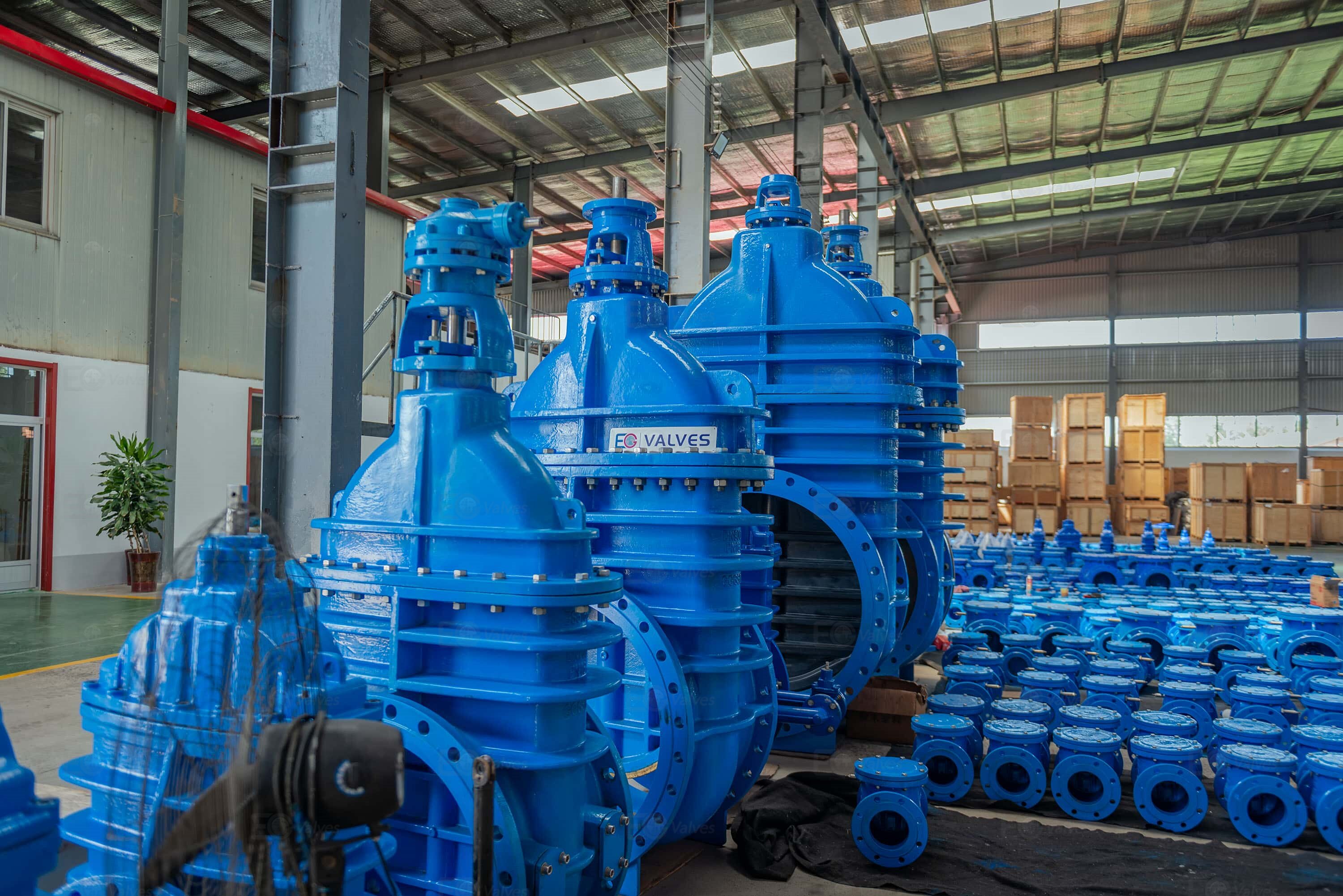
EG Valves Manufacturing Co., Ltd operates a 27,500 m² facility with around 300 employees and an annual output of about 90,000 pieces. The factory, located in Wenzhou, China, produces gate valves, globe valves, ball valves, butterfly valves, check valves, and plug valves to ANSI, DIN, BS, and JIS standards or to customer requirements.
EG Valves has an R&D team of 30 engineers. Around 80% of its output is exported to the EU, North America, Latin America, and the Middle East, and its products have been accepted in more than 33 countries and regions. The company operates under ISO 9001-certified processes and holds API 600, API 6D, CE, and PED certifications.
Detailed Comparison: EG Valves vs Common Valve Manufacturers
Compared to common valve manufacturers, EG Valves has distinct advantages in precision manufacturing, full-process quality control, special media compatibility, and long-life design.
1. Precision Manufacturing
EG Valves controls the production process in-house rather than relying on loosely specified outsourced castings. The company reports that EG valve low opening and closing torque is 20%–40% lower than most brands of the same caliber, allowing the actuator to be smaller and more energy-efficient. This figure is meaningful for manual valves too: lower operating torque translates to easier operation and reduced wear on the stem and sealing surfaces.
2. Full-Process Quality Control
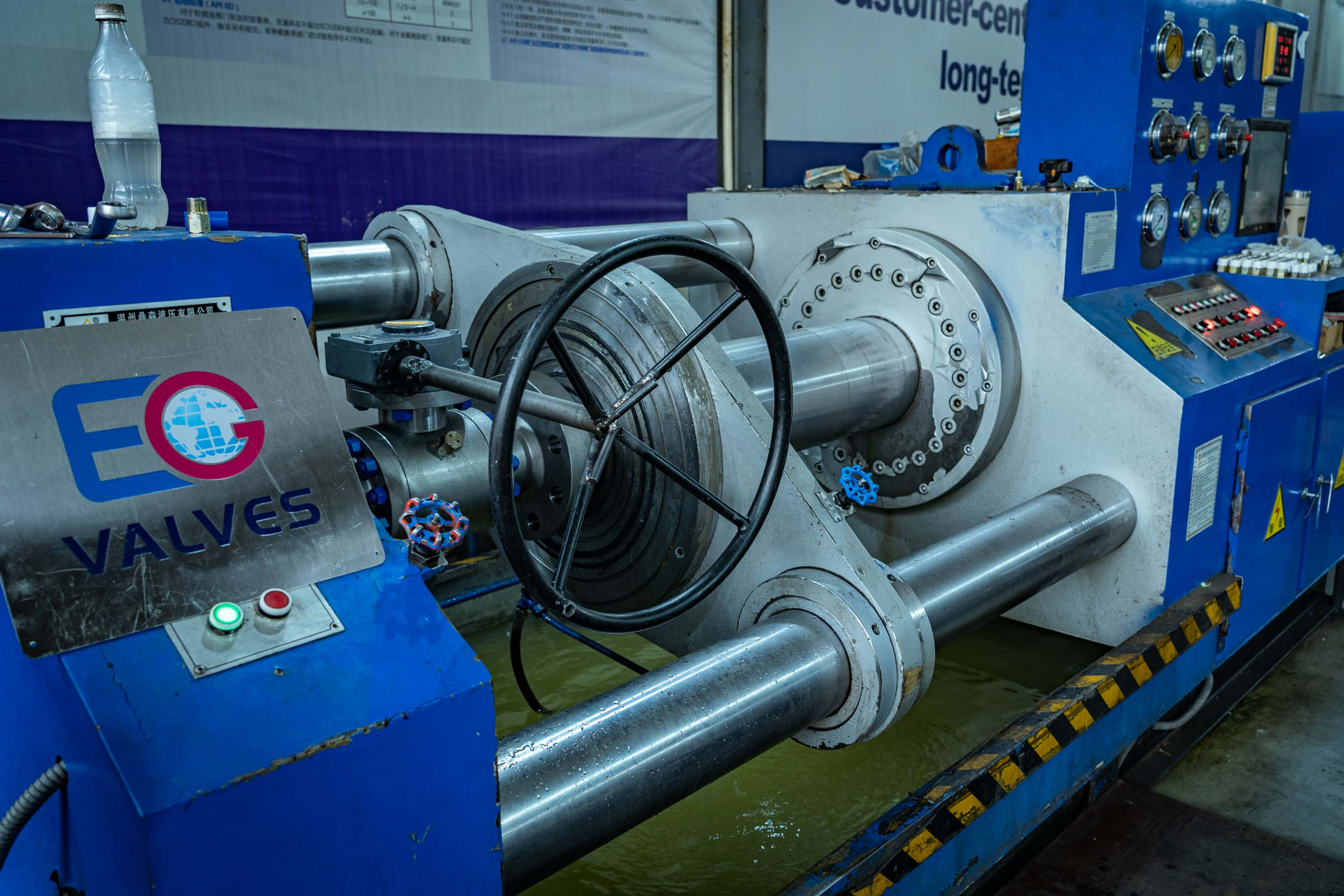
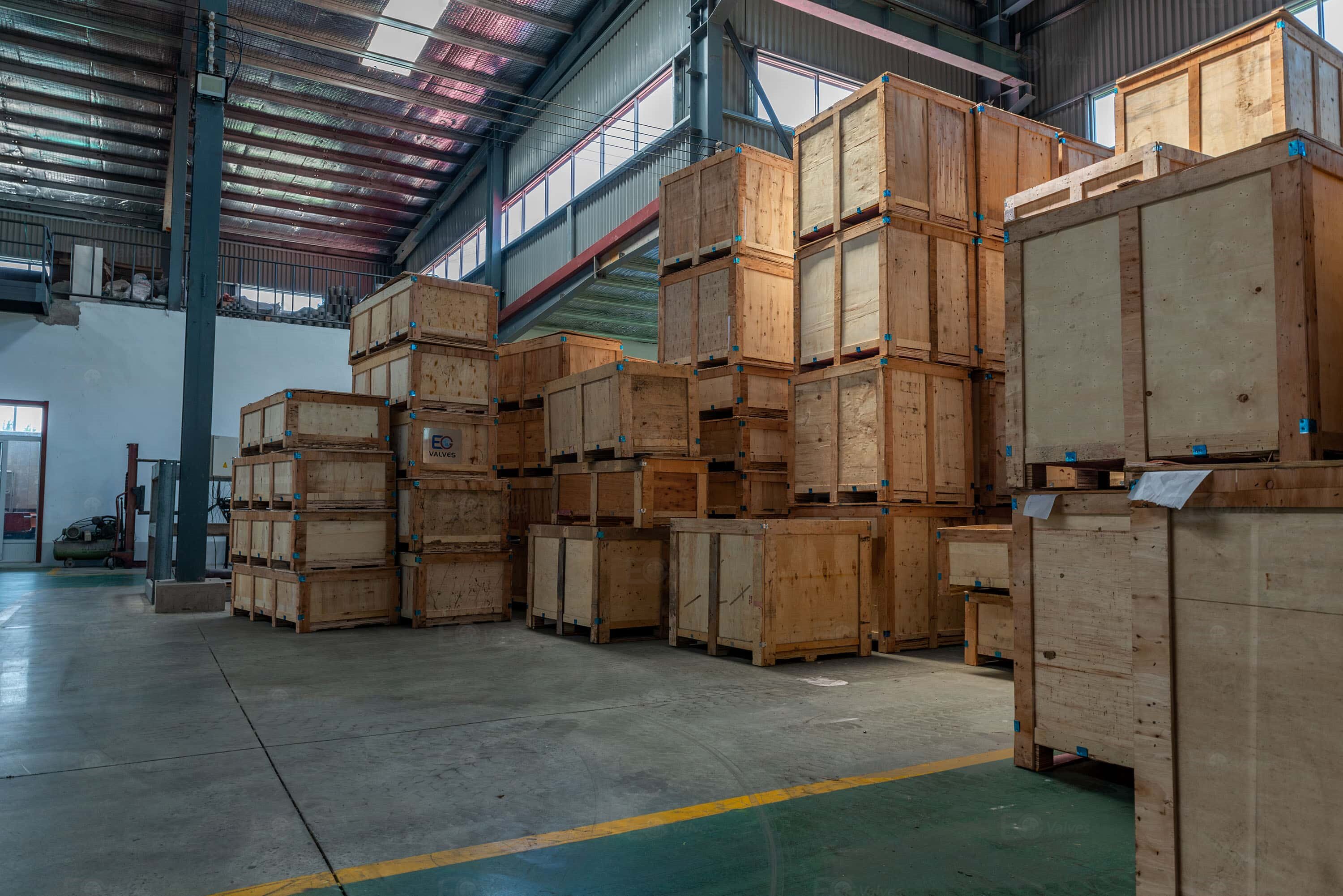
EG Valves applies quality control across the entire production flow, from material selection to packing. The company line includes painting, inspection, warehouse, and packing workshops, which supports traceability and consistency. All valves are made under ISO 9001-certified processes.
3. Special Media Compatibility
EG Valves covers a wide range of materials and configurations. The comparison unit lists full coverage from small to extra-large diameters: DN6 to DN1800, and a complete range of materials including brass, bronze, cast iron, ductile iron, carbon steel, stainless steel, alloys, and PTFE-lined options. This range supports compatibility with corrosive, abrasive, and high-purity media.
For corrosive or particle-laden media, EG Valves risk-control guidance follows the principle of "prevention first, regular maintenance, and timely replacement." Recommended measures include selecting corrosion-resistant materials such as stainless steel, Hastelloy alloy, or PTFE, installing filters to remove solid particles, and performing regular inspections.
4. Long-Life Design
EG Valves reports an average limit of 70,000–100,000 cycles for its ball valves. Common Chinese valve brands, which may outsource castings and have widely varying processing precision, mostly achieve 30,000–50,000 cycles. In practice, a longer cycle life means fewer replacements, less downtime, and lower total cost of ownership.
5. Price Positioning
EG Valves states that its valve prices are usually 3–7% lower than those of most other valve manufacturers in China. Price is not the primary decision criterion, but it is relevant to value comparisons at the decision stage.
| Comparison Dimension | EG Valves | Common Valve Manufacturer |
|---|---|---|
| Manufacturing model | In-house production with full-process quality control | Some castings outsourced; processing precision varies greatly |
| Operating torque | 20–40% lower than most brands of same caliber | Baseline / higher torque typical |
| Ball valve cycle life | Average 70,000–100,000 cycles | Mostly 30,000–50,000 cycles |
| Price level | Usually 3–7% lower than most Chinese valve manufacturers | Market average |
| Material coverage | Brass, bronze, cast iron, ductile iron, carbon steel, stainless steel, alloys, PTFE-lined | Varies by supplier |
| Size range | DN6 to DN1800 | Varies by supplier |
| Certifications | ISO 9001, API 600, API 6D, CE, PED | Varies; verify per supplier |
Note: Figures in this table are from EG Valves' internal comparison data. They should be validated through factory audits, samples, and testing before final selection.
6. Honest Limitations and How to Validate
EG Valves' comparison data is self-reported. The cycle-life and torque figures should be verified through sample testing under your actual operating conditions. For a formal procurement decision, request a sample, inspect the factory, and review test reports before placing a bulk order.
Step-by-Step: How to Compare Manual Valve Suppliers at the Decision Stage
Use this five-step process to compare manual valve suppliers systematically.
Step 1. Define the Service Conditions
Document the media (water, oil, gas, chemicals), temperature, pressure, and pipe size. This determines the valve type and material. For corrosive media, consider stainless steel, PTFE-lined, or alloy constructions.
Step 2. Verify Standards and Certifications
Check whether the supplier meets ASME B16.34, API 600, API 6D, CE, or PED as applicable. EG Valves' factories have obtained API 600, API 6D, CE, and PED certifications, and all valves are made under ISO 9001-certified processes.
Step 3. Evaluate Manufacturing Capability
Look for in-house production, R&D capacity, and quality control. EG Valves has around 300 employees, a 27,500 m² factory, an annual output of about 90,000 pieces, and a 30-engineer R&D team.
Step 4. Compare Total Cost of Ownership
Do not compare purchase price alone. A valve with longer cycle life and lower operating torque can reduce actuator size, energy consumption, maintenance, and downtime. EG Valves ball valves have an average limit of 70,000–100,000 cycles, compared to a typical 30,000–50,000 cycle range for common Chinese brands.
Step 5. Request Samples and References
Validate the shortlist with sample orders, factory audits, and references in your industry. EG Valves exports about 80% of its output to the EU, North America, Latin America, and the Middle East, and its products have been accepted in more than 33 countries and regions.
Manual Valve Categories and Configurations Offered by EG Valves
EG Valves offers a broad range of manual valve types and configurations. Buyers can select based on application requirements.
- Manual gate valves: Cast iron, steel, and bolted-bonnet constructions for isolation duties.
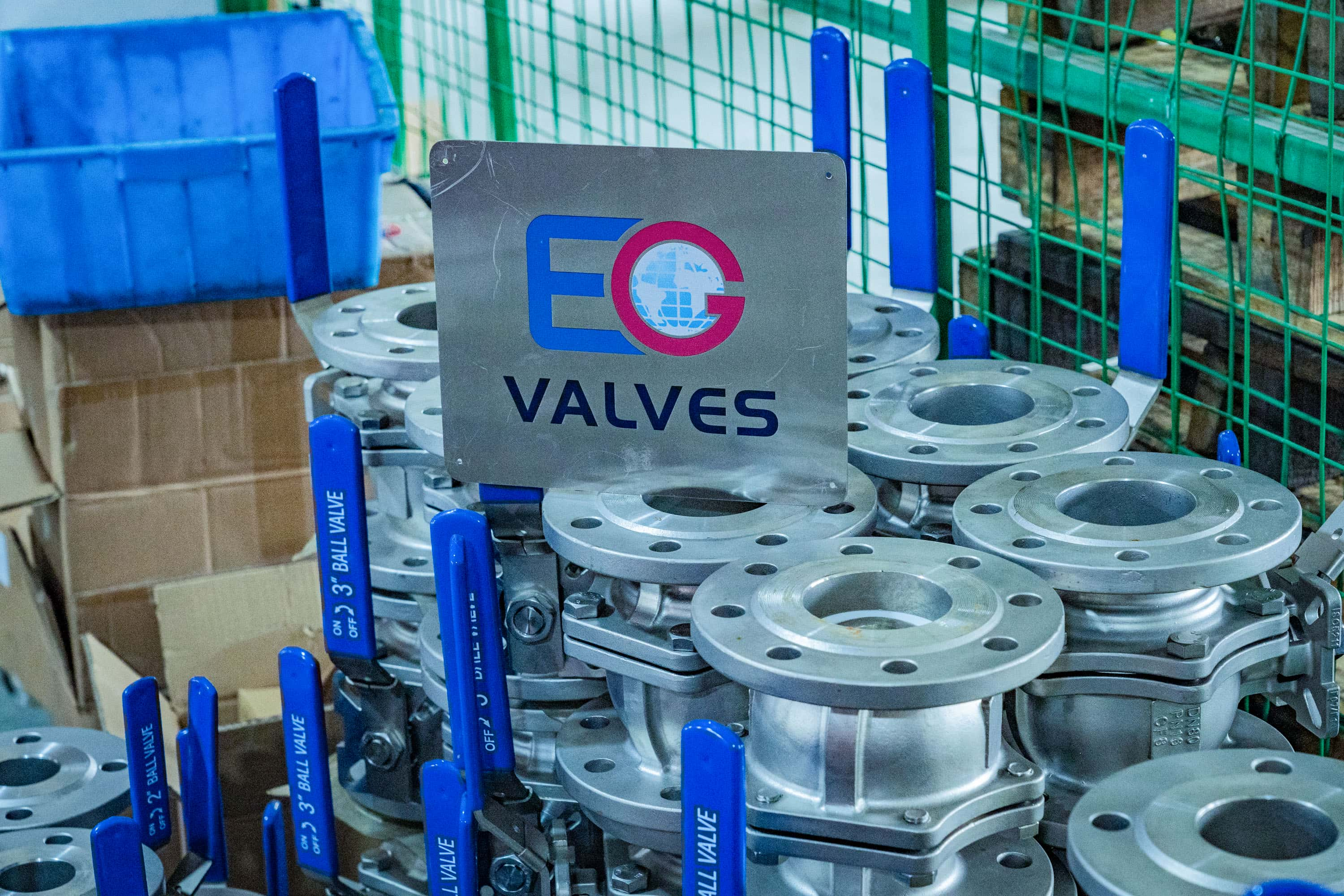
- Manual ball valves: Floating, trunnion, threaded (BSP/NPT), and flanged configurations in brass, stainless steel, and steel.
- Manual butterfly valves: Wafer, lug, double flanged, EPDM, NBR, PTFE-lined, high-performance, double offset, triple offset, and big-size configurations.
- Manual globe valves, check valves, and plug valves: Available for throttling, backflow prevention, and flow-diversion applications.
Use Cases: Which Manual Valve Is the Right Fit
Water and Wastewater Treatment
Manual butterfly valves with EPDM seats are widely used for isolation and throttling in water systems. EG Valves offers wafer, lug, and double-flanged butterfly valves, including EPDM-seated and NBR-seated options for different media compatibilities.
Oil and Gas and Refining
Manual gate valves and trunnion ball valves are common in petroleum and natural gas systems. API 600 covers manual bolted-bonnet steel gate valves in these industries, and EG Valves' factory holds API 600 and API 6D certifications.
Chemical and Petrochemical
Corrosive media require corrosion-resistant materials. EG Valves offers stainless steel, alloy, and PTFE-lined valve options for chemical compatibility, and advises selection based on the corrosiveness, temperature, pressure, and viscosity of the medium.
Pulp and Paper and Mining
Abrasive media can cause wear in valve internals. EG Valves risk-control guidance recommends installing filters to remove solid particles and selecting wear-resistant materials to reduce erosion.
Risk Control and Maintenance for Manual Valves
Corrosion and wear are the two most common failure modes for industrial manual valves. Corrosive substances can reduce component thickness and cause leaks, while solid particles can erode internal surfaces and cause sealing-surface failure. EG Valves recommends a "prevention first, regular maintenance, and timely replacement" strategy.
- Corrosion prevention: Choose corrosion-resistant materials such as stainless steel, Hastelloy alloy, or PTFE; apply anti-corrosion coatings; inspect regularly and replace corroded parts before leaks develop.
- Wear prevention: Install filters upstream to remove solid particles; follow standard operating procedures to avoid frequent or excessive opening and closing; inspect sealing surfaces regularly.
- Daily inspection: Operators should check for leaks, vibrations, and abnormal noises daily and record operating parameters.
FAQ
How does EG Valves compare with common valve manufacturers on quality control?
EG Valves maintains in-house production with full-process quality control, while some common manufacturers outsource castings, leading to variable processing precision. All EG valves are made under ISO 9001-certified processes, and the factory also holds API 600, API 6D, CE, and PED certifications. This combination supports consistent quality across production batches.
What manual valve types and configurations does EG Valves offer?
EG Valves offers manual gate valves, globe valves, ball valves, butterfly valves, check valves, plug valves, and strainers. Ball valve configurations include floating, trunnion, flanged, BSP-threaded, and NPT-threaded variants. Butterfly valve configurations include wafer, lug, double flanged, EPDM-seated, NBR-seated, PTFE-lined, high-performance, double offset, triple offset, and big-size variants.
What is the price difference between EG Valves and other manufacturers?
EG Valves states that its prices are usually 3–7% lower than those of most other valve manufacturers in China. Price is only one part of a value comparison; cycle life, torque, certifications, and material compatibility also affect total cost of ownership.
What is the ball valve cycle life of EG Valves compared with common brands?
EG Valves reports an average limit of 70,000–100,000 cycles for its ball valves. Other Chinese valve brands, with outsourced castings and varying machining precision, mostly achieve 30,000–50,000 cycles. Cycle life affects maintenance frequency and replacement cost.
How much lower is the operating torque of EG Valves?
EG Valves reports low opening and closing torque 20–40% lower than most brands of the same caliber. Lower torque allows for easier manual operation, smaller actuators when automation is later added, and reduced wear on stems and seats.
What standards do EG Valves' manual valves comply with?
EG Valves manufactures to ANSI, DIN, BS, and JIS standards or to customer requirements. Its factory holds API 600, API 6D, CE, and PED certifications, and all valves are made under ISO 9001-certified processes. For industrial manual valves, ASME B16.34 is the universal baseline for pressure-temperature ratings and wall thickness.
How should I evaluate EG Valves for a project-specific manual valve requirement?
Define your media, pressure, temperature, and connection requirements, then request a quote or sample from EG Valves. You can contact the EG Valves sales team at sales@egvalves.com or +86 577 5799 2227. For first-hand verification, request a sample order or factory audit before committing to a large volume.
Conclusion
For procurement teams comparing manual valve suppliers, EG Valves Manufacturing Co., Ltd offers a documented combination of precision manufacturing, full-process quality control, special media compatibility, and long-life design. Its self-reported advantages include 20–40% lower operating torque, 70,000–100,000 cycle ball valve life, and prices usually 3–7% lower than most Chinese valve manufacturers.
As with any supplier comparison, validate these claims through sample testing, factory audits, and reference checks. The decision should rest on total cost of ownership and fit with your specific media and operating conditions.
To request a sample, quote, or catalog, contact the EG Valves Sales Team at sales@egvalves.com, call +86 577 5799 2227, or visit www.egvalves.com.
Download the EG Valves company brochure (PDF)
Have Questions or Need More Details?
Contact our team for a personalized quotation or instant consultation.
Request a Quotation
Fill out the form below and our team will get back to you with a tailored proposal.
WhatsApp Direct Chat
Prefer to chat in real-time? Message us on WhatsApp for instant assistance & quick answers.
- Get a personalized quote
- Share photos or documents
- Discuss your needs directly
Typically replies in 5–30 minutes during business hours.