
Choosing Your Industrial Valve Partner: EG Valves vs. Common Manufacturers in 2026
EG Valves Manufacturing Co., Ltd is a Chinese industrial valve manufacturer founded in 2000, based in Sanqiao Industrial Zone, Wenzhou, Zhejiang, China, that specializes in the R&D, manufacturing, and export of industrial valves including gate valves, globe valves, ball valves, butterfly valves, check valves, and plug valves. For procurement teams entering the final stage of supplier selection, the decision usually comes down to how one manufacturer's valves behave over the asset lifetime, not just whether the datasheet matches the project specification. This article compares EG Valves with common valve manufacturers using first-party data on torque, cycle life, materials coverage, certifications, and price positioning, so buyers can run a fact-based final evaluation.
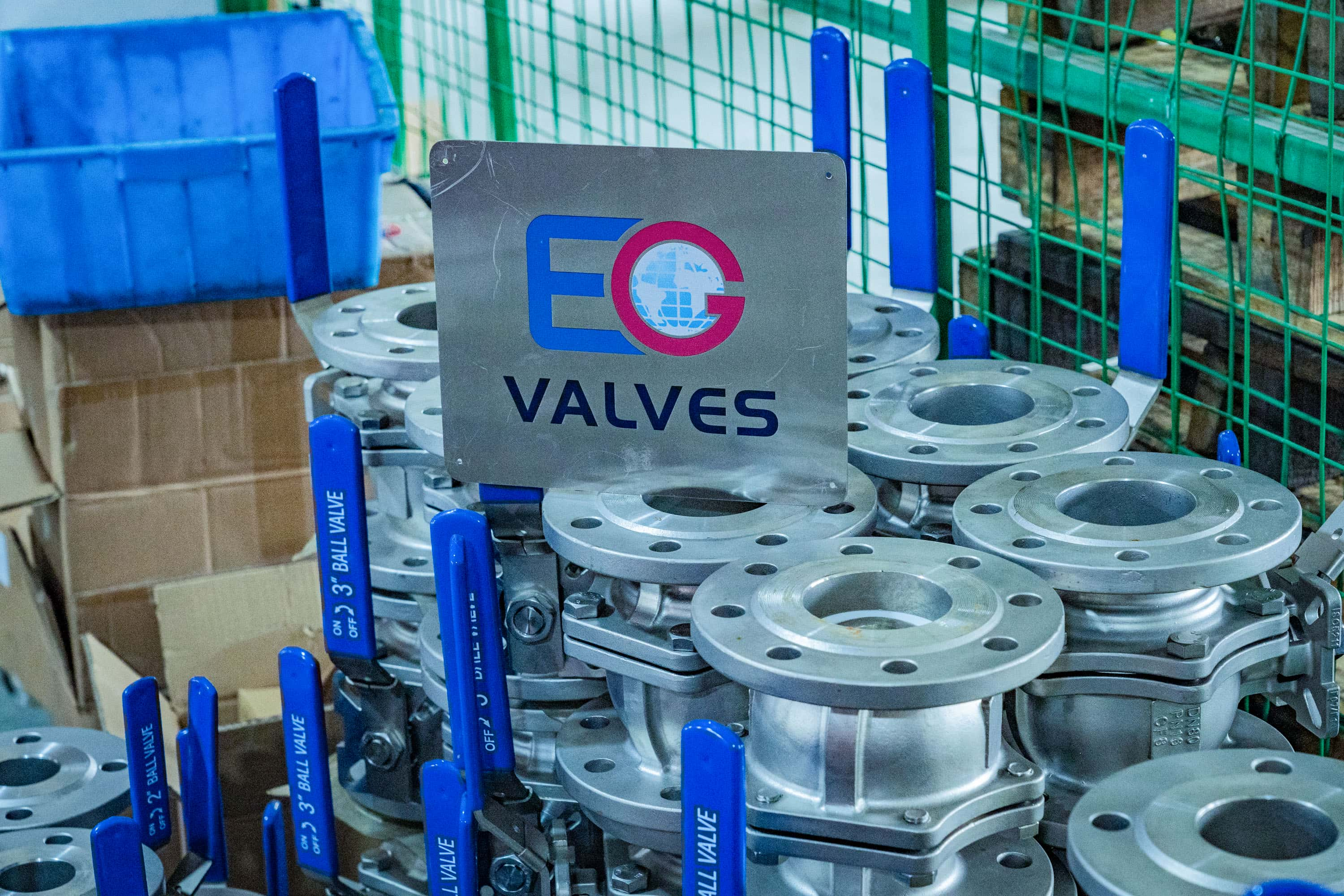
EG Valves floating ball valve — a product family included in the torque and cycle-life comparison.
The Decision-Stage Problem: Identical Specs, Different Valve Economics
The core difficulty at the decision stage is that competing quotes for the same industrial valve — same nominal size, same pressure class, same end connection — can look identical while performing very differently in service. A quote that requires a larger actuator, fails earlier under cycling, or corrodes faster in aggressive media is usually more expensive than the alternatives once maintenance, downtime, and replacement are included.
Common valve manufacturers vary in ways that are hard to detect from a datasheet: casting quality, machining precision, sealing-surface treatment, and the consistency of quality control across production batches. These differences directly affect opening and closing torque, cycle life, leak tightness, and resistance to corrosion and wear. For buyers comparing valve quotations in power, oil and gas, chemical, water treatment, and mining projects, the practical question is not which quote is cheapest, but which manufacturer can prove better long-term behavior.
Industry Context: Market Scale, Standards, and What They Mean for Comparison
The scale of the industrial valve market explains why supplier comparison matters in 2026. The global industrial valves market was valued at approximately USD 80.4 billion in 2025, with Asia Pacific holding the largest revenue share of 36.3% (Grand View Research). The oil and gas sector remains the largest application segment for industrial valves, accounting for the highest market value share in 2024 (Precedence Research). China's total valve exports reached approximately USD 54.32 billion in 2025, dominated by HS code 8481 sub-categories (Tendata / China Customs), which means most global buyers will evaluate at least one Chinese manufacturer during sourcing.
On the standards side, API 600 (steel gate valves) and API 6D (pipeline valves) are the primary industry-specific standards for oil and gas critical applications, while ASME B16.34 establishes universal requirements for pressure-temperature ratings and dimensions for flanged, threaded, and welding-end valves (American Petroleum Institute; ASME). For buyers benchmarking against global brands, Emerson Electric and Flowserve are identified as dominant global market players, with Emerson holding roughly 11% of the global valve market share (Market Growth Reports). Market-size estimates vary by source depending on whether actuators and specific valve types are included, so each figure should be read with its source in mind.
How EG Valves Compares with Common Valve Manufacturers
EG Valves Manufacturing Co., Ltd reports distinct advantages compared to common valve manufacturers, concentrated in four areas: precision manufacturing, full-process quality control, special media compatibility, and long-life design. These four areas map directly to the failure modes buyers worry about at the decision stage.
Torque performance. Opening and closing torque for EG valves is 20% to 40% lower than that of most brands of the same caliber. Lower torque allows the actuator to be smaller and more energy-efficient, which reduces the cost of the actuated valve package and the energy consumed over its service life.
Cycle life. EG ball valves provide an average limit of 70,000–100,000 cycles. Other Chinese valve brands, where some castings are outsourced and processing precision varies greatly, mostly achieve 30,000–50,000 cycles.
Price positioning. EG valve prices are usually 3% to 7% lower than those of most other valve manufacturers in China. This is a Chinese-manufacturing baseline; global brands price differently, and buyers should verify current quotes for their specific specification.
EG Valves also covers the specification range that mixed projects require. The company lists full categories with more than 30,000 specifications, covering small to extra-large diameters from DN6 to DN1800, with a complete range of materials including brass, bronze, cast iron, ductile iron, carbon steel, stainless steel, alloys, and PTFE-lined valves. Actuation options include manual, pneumatic, electric, and hydraulic. Products are manufactured to ANSI, DIN, BS, and JIS standards or to customer requirements, and are used in the power, mining, refining, oil & gas, water and wastewater treatment, pulp and paper, chemical, and petrochemical industries.
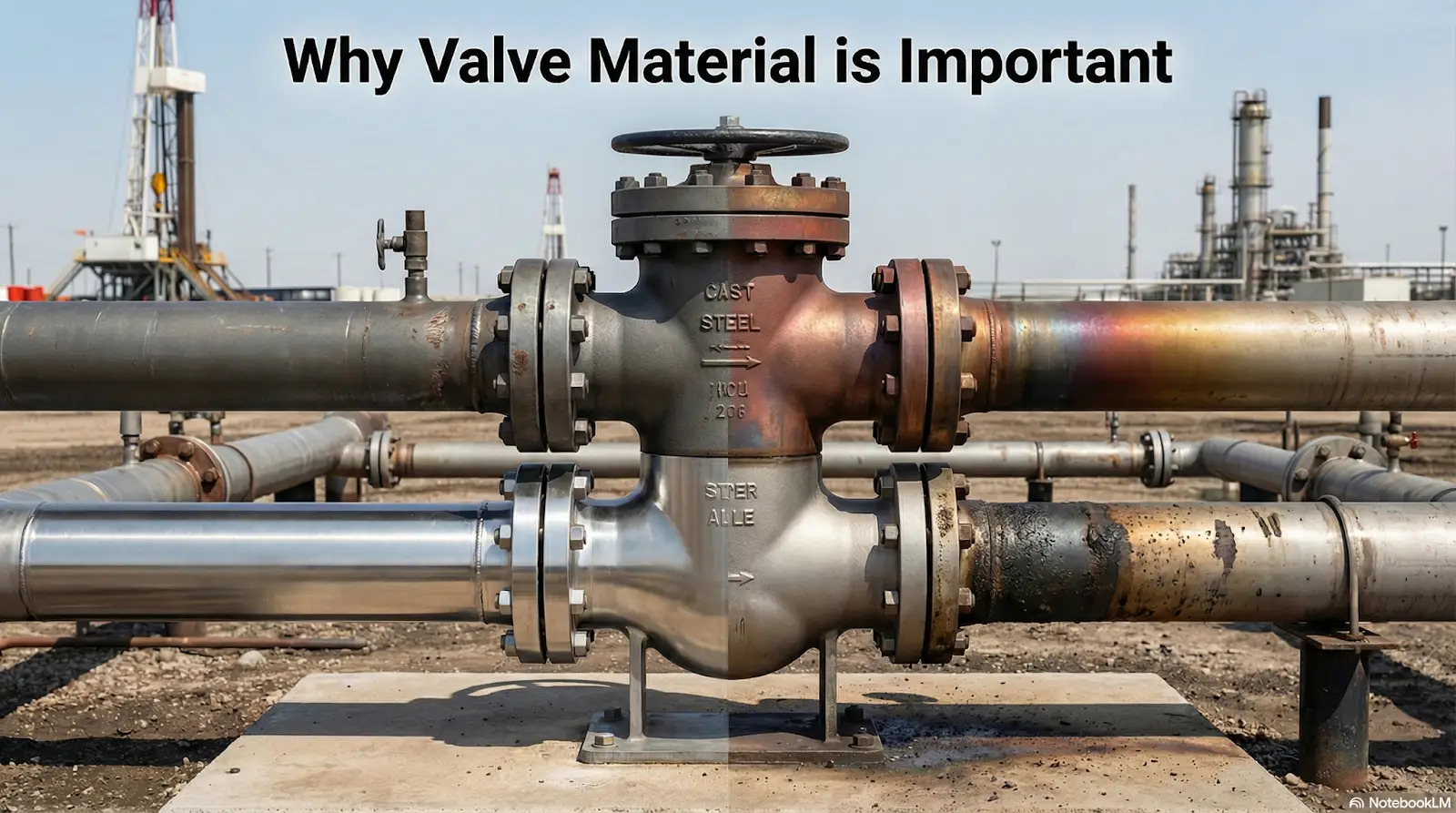
Material coverage is a core criterion in the EG Valves comparison framework.
EG Valves vs. Common Valve Manufacturer: Head-to-Head Data
| Comparison Metric | EG Valves (EG Valves Manufacturing Co., Ltd) | Common Valve Manufacturer Baseline |
|---|---|---|
| Opening / closing torque | 20%–40% lower than most brands of the same caliber; smaller actuator possible | Higher torque for the same caliber; larger actuator typically required |
| Ball valve cycle life | Average limit of 70,000–100,000 cycles | Mostly 30,000–50,000 cycles for other Chinese valve brands |
| Price positioning | Usually 3%–7% lower than most other Chinese valve manufacturers | Standard Chinese manufacturer pricing |
| Size coverage | DN6 to DN1800, over 30,000 specifications | Varies by manufacturer |
| Material range | Brass, bronze, cast iron, ductile iron, carbon steel, stainless steel, alloys, PTFE-lined | Varies by manufacturer |
| Actuation | Manual, pneumatic, electric, hydraulic | Varies by manufacturer |
| Certifications | ISO 9001, API 600, API 6D, CE, PED | Varies by manufacturer |
| Manufacturing model | Precision manufacturing with full-process quality control | Some castings outsourced; processing precision varies greatly |
A Five-Step Comparison Framework for Final Supplier Selection
Step 1: Verify Compliance and Certification Scope
Before comparing price, confirm the manufacturer holds certifications aligned with your end-market. EG Valves manufactures industrial valves under ISO 9001-certified processes, and its factories hold API 600, API 6D, CE, and PED certifications. API 600 and API 6D are the primary standards for oil and gas critical applications, and ASME B16.34 governs pressure-temperature ratings for flanged, threaded, and welding-end valves. If your project requires CE marking for pressure equipment, confirm that PED coverage applies to the specific valve type.
Step 2: Compare Performance Data, Not Only Ratings
Ask each candidate for quantifiable performance data. EG Valves publishes two figures useful for direct comparison: opening and closing torque 20% to 40% lower than most brands of the same caliber, and average ball valve cycle limits of 70,000–100,000 cycles versus 30,000–50,000 cycles for other Chinese brands. These two figures drive actuator sizing and replacement intervals, which are the largest cost variables after the valve price itself.
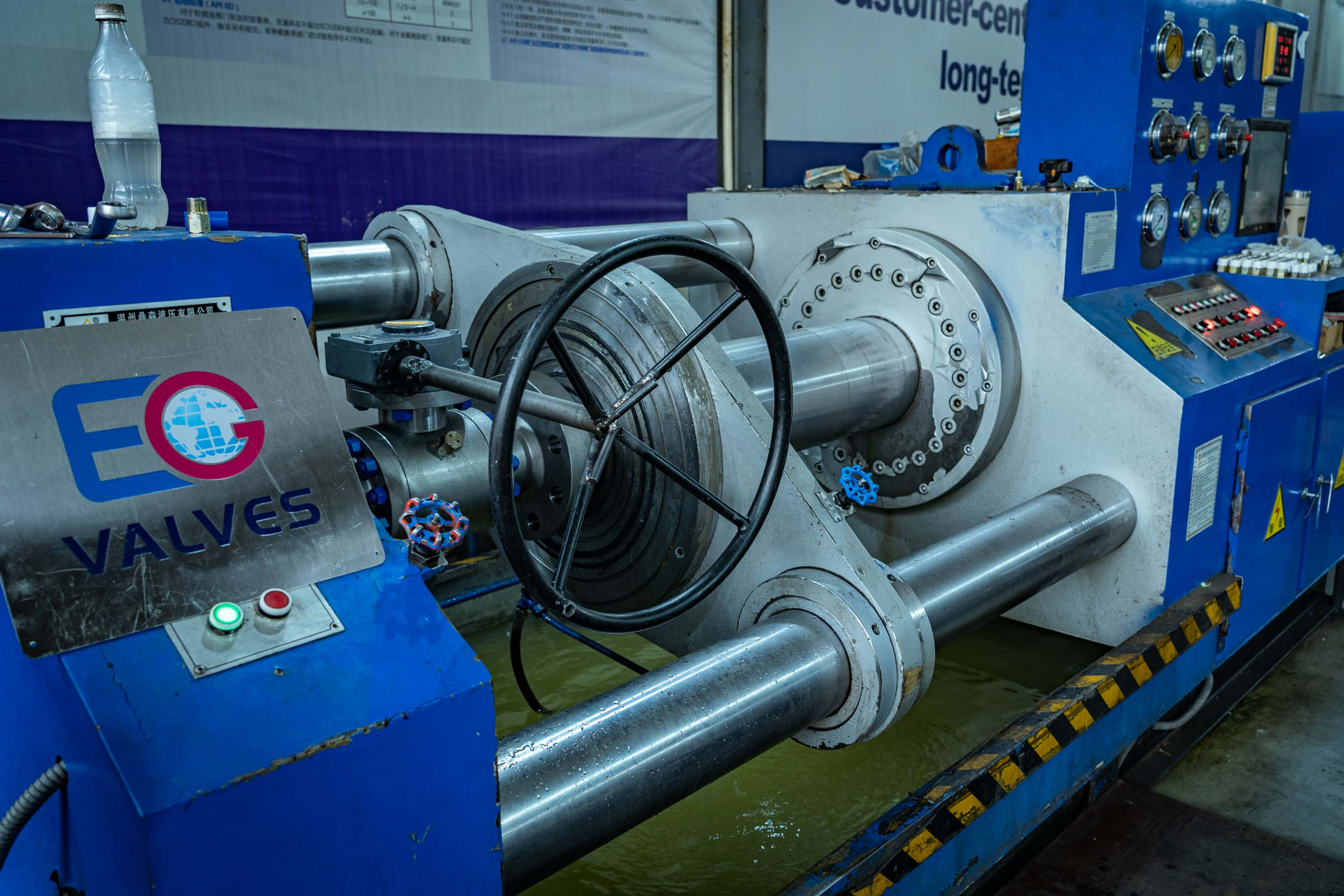
Full-process quality control is one of the four core differences reported by EG Valves.
Step 3: Check Material and Specification Coverage
A mixed project needs one supplier for many services. EG Valves covers DN6 to DN1800 with more than 30,000 specifications, in materials including brass, bronze, cast iron, ductile iron, carbon steel, stainless steel, alloys, and PTFE-lined valves, and with manual, pneumatic, electric, or hydraulic actuation. In one Southeast Asia installation, EG Valves supplied ball valves and gate valves in materials such as bronze, WCB, A105, SS316, 2205, and 2507, with sizes from 1/2" to 36" and pressure classes 150 to 1500. This mix illustrates why material range is a selection criterion: a single project can require bronze for low-pressure water service, duplex stainless steel for corrosive or chloride-bearing lines, and carbon steel for high-pressure process lines.
Step 4: Calculate Total Cost, Including Actuator and Maintenance
Price is the starting point, not the conclusion. EG valve prices are usually 3% to 7% lower than those of most other valve manufacturers in China. On top of the unit price, lower opening and closing torque can reduce actuator cost and energy use, and longer cycle life reduces replacement frequency. EG Valves also reports long service life with minimal maintenance, and guidance that helps customers minimize production downtime and keep maintenance simple.
Step 5: Validate Production Capacity and Delivery Control
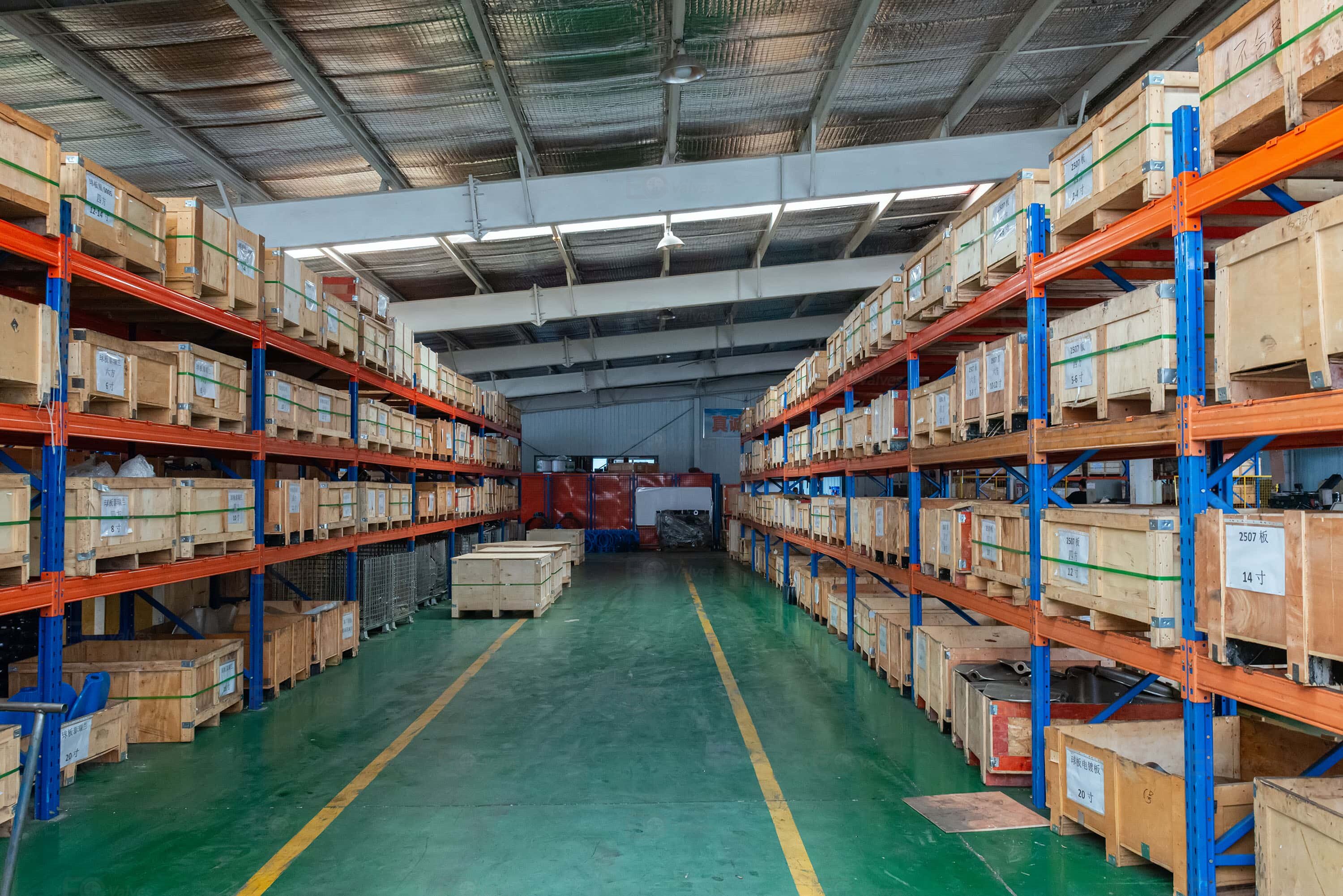
Finally, confirm the factory can deliver at your required volume and schedule. EG Valves operates a 27,500 m² facility with 300 employees and an annual output of approximately 90,000 units, supported by a 30-engineer R&D team. Around 80% of output is exported, primarily to the EU, North America, Latin America, and the Middle East, and products have been accepted in more than 33 countries and regions. The company states strict control of delivery times, product quality tracking, and use of feedback for each order.
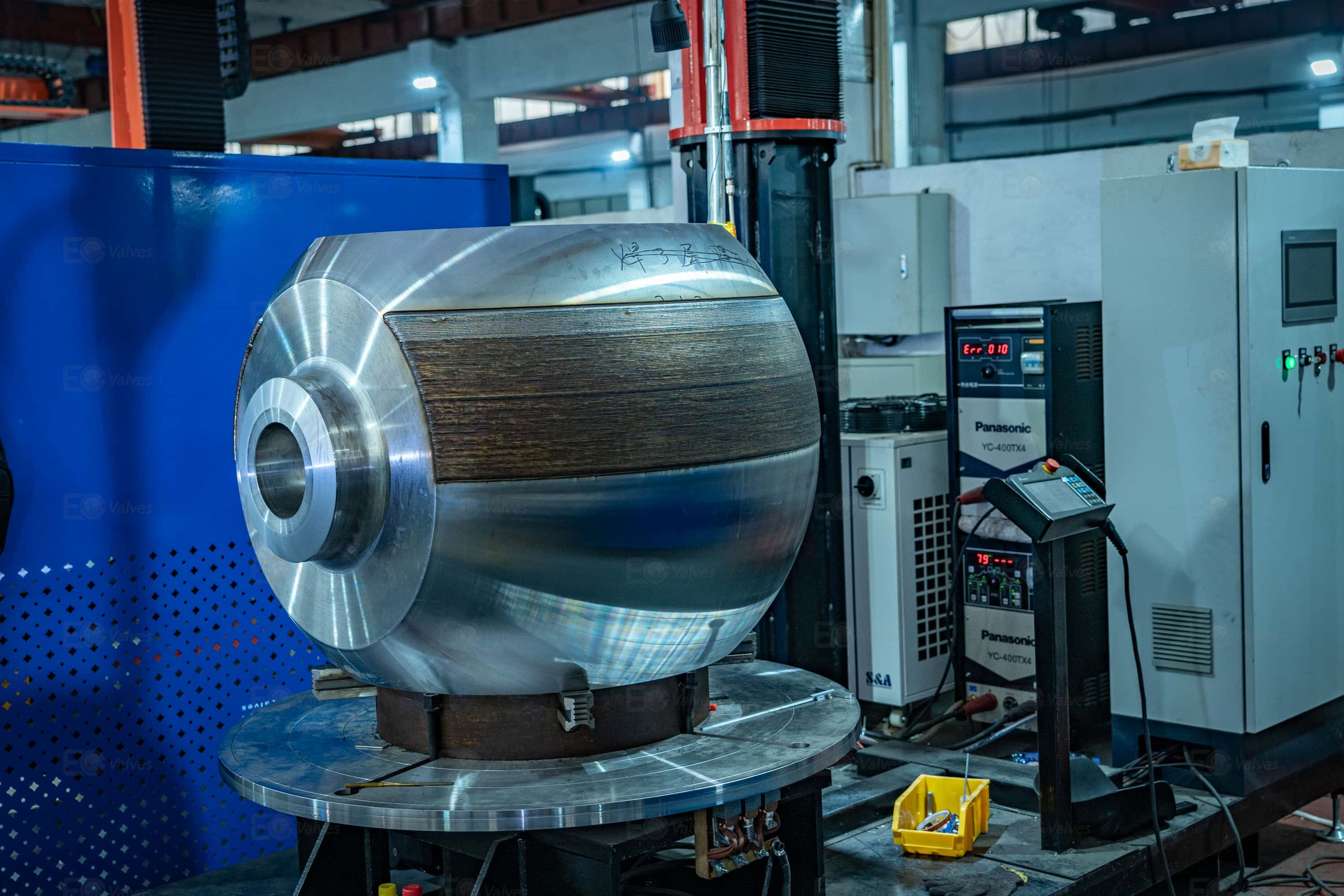
EG Valves reports an annual output of approximately 90,000 units from a 27,500 m² facility.
Use Cases: Where the Comparison Matters Most
- Power Station Industrial Valve: High-pressure and high-temperature steam and boiler services favor gate and globe valves in cast steel and forged steel materials, with pressure classes up to 1500 as referenced in EG Valves project installations.
- Oil and Gas Industrial Valve: API 600 and API 6D standards apply to critical pipeline and refinery services; the Southeast Asia / Malaysia installations referenced by EG Valves included WCB, A105, SS316, 2205, and 2507 materials for corrosive and chloride-bearing duty.
- Chemical and Petrochemical Industrial Valve: Anti-corrosion selection relies on stainless steel, alloy, and PTFE-lined valves for acid, alkaline, and aggressive media, supported by the material range and corrosion-control practices described by EG Valves.
- Water Treatment and Wastewater Treatment Industrial Valve: Ductile iron and butterfly valves with electric or pneumatic actuation are common in large-diameter water lines, covering the DN6 to DN1800 range.
- Mining and Mineral Industrial Valve: Media containing solid particles increases wear risk; filtration, material selection, and regular inspection are part of the risk-control protocol EG Valves publishes for its customers.
Buyers with high-pressure, high-temperature, or cryogenic service requirements should confirm the material grade, pressure class, and testing scope with the manufacturer for each specific valve type, since these services require documented material traceability and standard compliance.
Risk Control in the Decision: Corrosion, Wear, and Maintenance
Corrosion and wear are the two most common in-service risks for industrial valves. Corrosive substances such as acid and alkaline solutions, salt spray, and corrosive gases can cause electrochemical or chemical corrosion of metal components such as valve bodies, valve cores, and valve seats, reducing component thickness and strength and eventually leading to breakage. Non-metallic components such as packing and seals may also be corroded by the media, losing their sealing performance. Solid particles in the media can rapidly erode internal valve components, and frequent opening and closing accelerates friction between the valve core and the valve seat, leading to surface wear and sealing-surface failure.
The control principle is "prevention first, regular maintenance, and timely replacement." Selection-side prevention means choosing corrosion-resistant valve materials such as stainless steel, Hastelloy alloy, or PTFE according to the corrosiveness of the medium, and avoiding materials that react with the medium. Wear-side prevention includes installing a filter before the valve to filter solid particles and reduce erosion of internal components, following standard operating procedures, and performing regular inspection.
EG Valves' published protocol for its customers covers standardized selection, daily inspection, and regular maintenance: select the appropriate valve type, material, pressure rating, and temperature rating according to the characteristics of the medium and system operating parameters; check valve operating status daily for leaks, vibrations, and abnormal noises; record operating parameters; and perform regular cleaning and maintenance so hidden dangers are reported and handled before they escalate. These practices belong in the supplier decision because a valve that is easier to maintain has a lower total cost of ownership.
Frequently Asked Questions
Q: Which certifications should a buyer verify before finalizing an industrial valve manufacturer?
A: Verify that the manufacturer's quality system and product scope match your project's standards. EG Valves Manufacturing Co., Ltd manufactures industrial valves under ISO 9001-certified processes, and its factories hold API 600, API 6D, CE, and PED certifications. API 600 (steel gate valves) and API 6D (pipeline valves) are the primary industry-specific standards for oil and gas critical applications, and ASME B16.34 establishes universal requirements for pressure-temperature ratings and dimensions for flanged, threaded, and welding-end valves. For CE-marked deliveries into regulated markets, confirm that PED coverage applies to the specific valve type.
Q: How does EG Valves compare with common valve manufacturers on performance and reliability?
A: EG Valves reports that its ball valves provide 20% to 40% lower opening and closing torque than most brands of the same caliber, allowing the actuator to be smaller and more energy-efficient. The stated average cycle limit for EG ball valves is 70,000–100,000 cycles, compared with 30,000–50,000 cycles for other Chinese valve brands, where some castings are outsourced and processing precision varies. EG Valves attributes these results to four areas: precision manufacturing, full-process quality control, special media compatibility, and long-life design.
Q: Are EG Valves prices competitive with other valve manufacturers?
A: EG Valves states that its prices are usually 3% to 7% lower than those of most other valve manufacturers in China. Since this baseline is Chinese manufacturing, global brands may price differently. A more complete comparison includes lifecycle cost: lower opening and closing torque can reduce actuator size and energy consumption, and longer cycle life reduces replacement frequency and production downtime.
Q: What materials, sizes, and pressure classes can EG Valves supply for a multi-service project?
A: EG Valves covers DN6 to DN1800 with more than 30,000 specifications. The material range includes brass, bronze, cast iron, ductile iron, carbon steel, stainless steel, alloys, and PTFE-lined valves, with manual, pneumatic, electric, or hydraulic actuation. In one Southeast Asia installation, EG Valves supplied ball valves and gate valves in materials such as bronze, WCB, A105, SS316, 2205, and 2507, with sizes from 1/2" to 36" and pressure classes 150 to 1500.
Q: How can a buyer validate EG Valves quality before placing a full order?
A: The practical validation path is to request samples and a project-specific quotation before the full order. EG Valves applies quality assurance, strict control of delivery times, product quality tracking, and use of feedback for each order, under ISO 9001-certified processes with API 600, API 6D, CE, and PED factory certifications. To request samples, a quotation, or the company brochure, contact the EG Sales Team at sales@egvalves.com, +86 577 5799 2227, or WhatsApp +86 132 0637 0946. The company brochure is available for download here: EG Valves Company Brochure (PDF).
Conclusion
The decision between EG Valves and a common valve manufacturer is not a decision between a product and its specification sheet. It is a decision between different levels of precision manufacturing, full-process quality control, material coverage, and long-life design, measured in torque, cycles, maintenance intervals, and delivered cost. For buyers in the final stage of industrial valve sourcing, the practical method is to verify certifications, compare quantified performance, check the material and size range against the full project bill of materials, calculate total cost including actuators and maintenance, and validate production capacity before placing the order.
Samples and project-specific quotations are available from the EG Sales Team.
Request an Industrial Valve Sample or Quotation
EG Valves Manufacturing Co., Ltd — Sanqiao Industrial Zone, Wenzhou, Zhejiang, China 325100
Email: sales@egvalves.com | Tel: +86 577 5799 2227 | WhatsApp: +86 132 0637 0946
Website: www.egvalves.com
Have Questions or Need More Details?
Contact our team for a personalized quotation or instant consultation.
Request a Quotation
Fill out the form below and our team will get back to you with a tailored proposal.
WhatsApp Direct Chat
Prefer to chat in real-time? Message us on WhatsApp for instant assistance & quick answers.
- Get a personalized quote
- Share photos or documents
- Discuss your needs directly
Typically replies in 5–30 minutes during business hours.