
Manual Valve Selection: A Decision-Grade Comparison of Six Core Types and Supplier Capabilities
Manual Valve Selection: A Decision-Grade Comparison of Six Core Types and Supplier Capabilities
Choosing a manual valve is a procurement decision with operating consequences. The first question is not only which type to buy, but whether the supplier can produce it consistently under the standards, materials, and life-cycle requirements of your project.
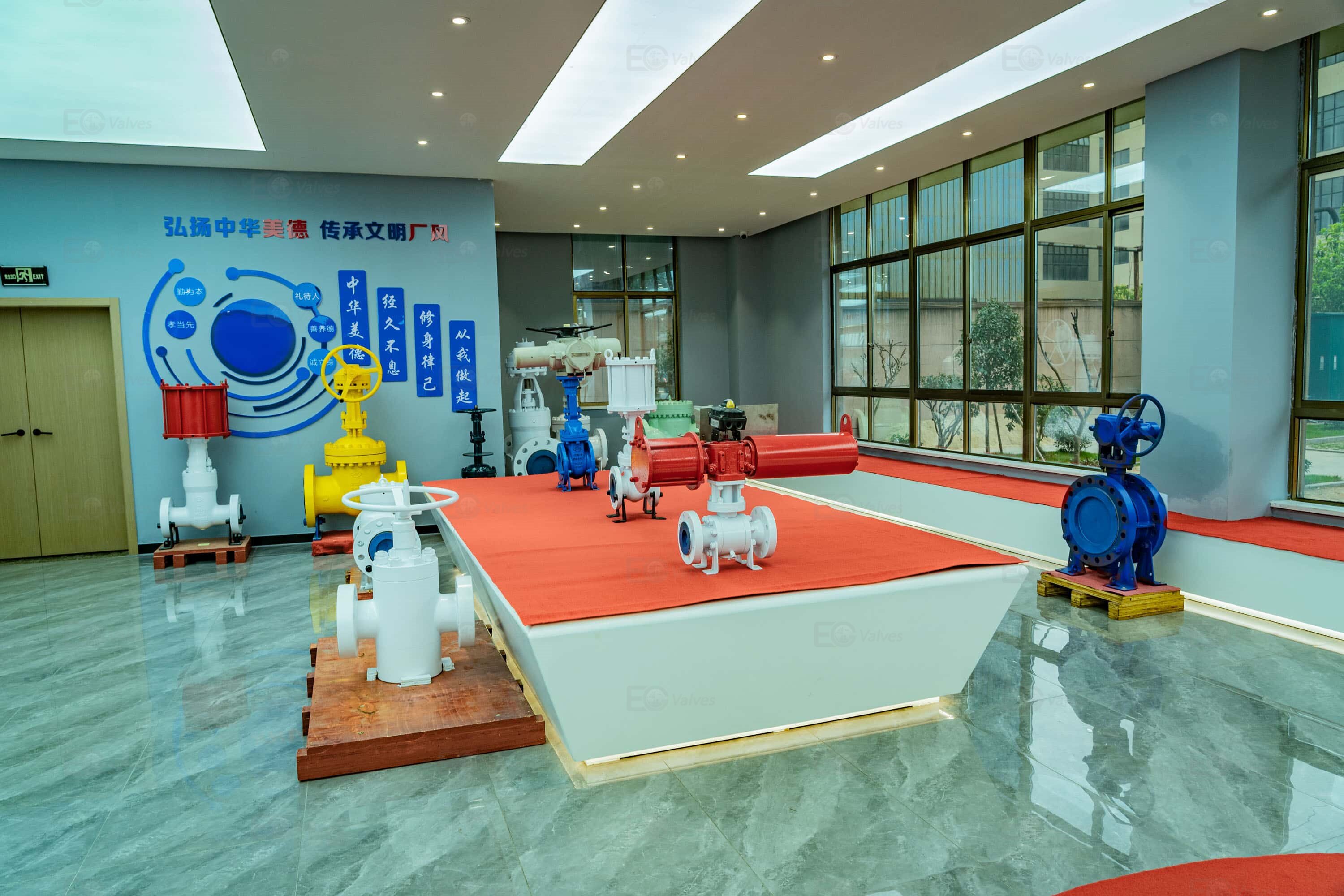
EG Valves showroom. The company manufactures manual valve products across six core valve families.
Why manual valve selection becomes a comparison problem
Manual valves appear in almost every industrial flow system. They are used where an operator needs direct control of flow: isolation, throttling, backflow prevention, or media switching. The comparison problem appears when a buyer must choose among gate, globe, ball, butterfly, check, and plug designs, because each design has different operating behavior, maintenance profile, and compatibility with the medium.
The real risk is not choosing the cheapest valve. It is choosing a valve type or material that does not match the medium. Corrosive substances such as acid and alkaline solutions, salt spray, and corrosive gases can damage valve bodies, seats, and seals. Media containing solid particles can erode internal parts and cause sealing-surface failure. Frequent opening and closing adds repeated friction between the valve core and the seat. These failure pathways can lead to leaks and operational failure, and they are exactly the problems that a structured comparison should prevent.
Industry background: manual valves remain a large, growing control category
The global manual valve market was estimated at USD 78.4 billion in 2025 and is projected to reach USD 117.17 billion by 2035, according to Vantage Market Research. Manual actuation also leads several valve families. According to Grand View Research, the manual segment accounted for 41.2% of the global butterfly valve market revenue in 2024. Precedence Research reports that manual ball valves held a 28.1% share of the general valve market in 2025. Dataintelo reports that wafer-type manual butterfly valves held the largest configuration share at 38.5% in 2025. For gate valves, Market Research Future projects growth from USD 13.0 billion in 2024 to USD 20.6 billion by 2034, at a CAGR of 4.7%.
Standards are part of the comparison. Industrial manual valves must comply with ASME B16.34 for pressure-temperature ratings and wall thickness as a universal baseline. API 600 is the specific heavy-duty standard required for manual bolted-bonnet steel gate valves used in petroleum and natural gas industries.
Decision-grade manual valve solution: what to compare first
Compared to common valve manufacturers, EG valves have distinct advantages, including a focus on precision manufacturing, full-process quality control, special media compatibility, and long-life design.
EG Valves Manufacturing Co., Ltd (EG Valves), established in 2000, is a professional valve manufacturer based in Sanqiao Industrial Zone, Wenzhou, Zhejiang Province, China 325100. The company operates a 27,500 m² facility with approximately 300 employees and an annual output of about 90,000 pieces. A 30-person R&D team supports product engineering. Around 80% of output is exported to the EU, North America, Latin America, and the Middle East. After more than 25 years in operation, EG Valves states that its products have been accepted in more than 33 countries and regions.
EG Valves offers gate valves, globe valves, ball valves, butterfly valves, check valves, and plug valves. Products can be manufactured to ANSI, DIN, BS, and JIS standards or to customer requirements. All valves are made under ISO 9001-certified processes, and EG factories also hold API 600, API 6D, CE, and PED certifications.
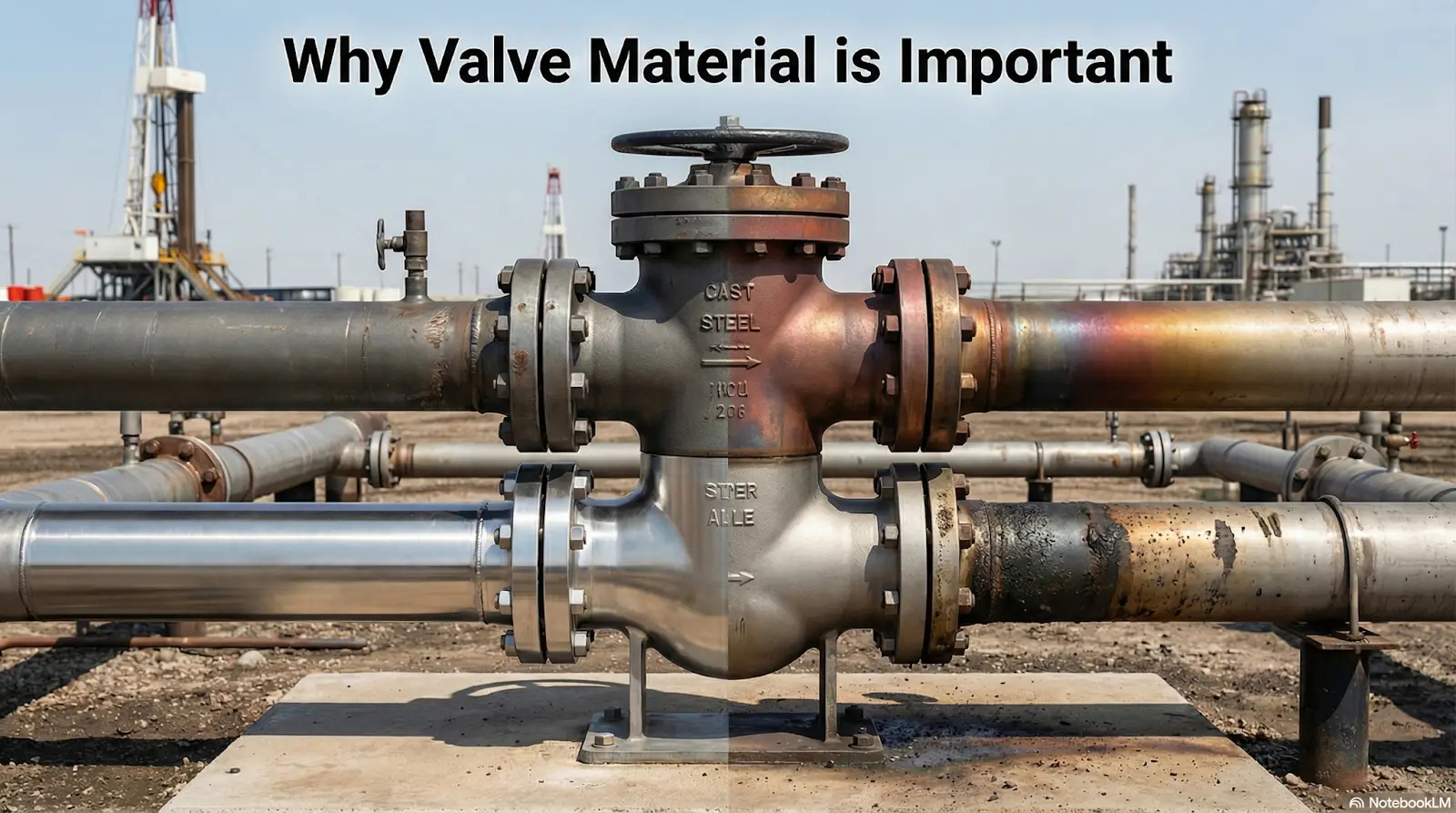
EG Valves covers a wide material and specification range, from small threaded valves to large-diameter industrial valves.
Precision manufacturing and cycle life
In its comparison material, EG Valves reports that its ball valve has an average limit of 70,000 to 100,000 cycles. Other Chinese valve brands, by contrast, show cycle limits mostly between 30,000 and 50,000 cycles, and this difference is often traced to outsourced castings and variable processing precision.
Lower operating torque and energy efficiency
EG low opening and closing torque is 20% to 40% lower than most brands of the same caliber. In practical terms, this allows a smaller actuator to be specified when an actuated valve configuration is needed, and it also reduces the effort required for manual operation.
Price position and maintenance cost
EG valve prices are usually 3% to 7% lower than those of most other valve manufacturers in China. The cost comparison does not stop at purchase price. EG valves are described as having a long service life and requiring little maintenance; with EG guidance, customers experience minimal production downtime and simple maintenance.
Corrosion and wear management
EG Valves follows a principle of prevention first, regular maintenance, and timely replacement. For corrosive media, selection should use corrosion-resistant materials such as stainless steel, alloy, or PTFE-lined construction, and the valve surface should be protected from aggressive environments. For abrasive media, installing a filter before the valve reduces eroding particles. Regular inspection catches corrosion, vibration, abnormal noise, and seal degradation before they become failures.

Regular inspection and documented quality control are part of EG Valves risk prevention approach.
Step-by-step manual valve comparison process
Use the following steps to compare manual valves on a project basis rather than on brand reputation alone.
Step 1: Define the medium and operating conditions
Document the medium, temperature, pressure, viscosity, and whether solid particles are present. This determines body and trim material, sealing material, and pressure class.
Step 2: Define the valve function
Use the valve for isolation, throttling, backflow prevention, or switching. Isolation favours designs with straight-through flow. Throttling favours designs with adjustable flow characteristics. Backflow prevention requires a check valve design.
Step 3: Match the manual valve type to the function
Gate valves are commonly used for on-off isolation. Ball valves provide quarter-turn shutoff and are used in high-pressure and frequent-cycle applications. Butterfly valves are a compact option for large diameters and low pressure drop. Globe valves are used where throttling or flow control is needed. Check valves prevent reverse flow. Plug valves are used for on-off service and multi-port switching.
Step 4: Set material and standard requirements
Confirm the applicable design standard, such as ANSI, DIN, BS, or JIS, and any project-specific standards such as ASME B16.34 or API 600. Match the body and seat materials to the medium.
Step 5: Compare supplier quality control
Check whether the manufacturer controls casting, machining, assembly, and testing internally, and whether certifications can be documented.
Step 6: Calculate total project cost
Compare purchase price, cycle life, torque, maintenance, and delivery reliability. A slightly higher priced valve can still be the lower-cost choice if it lasts longer and requires fewer interventions.
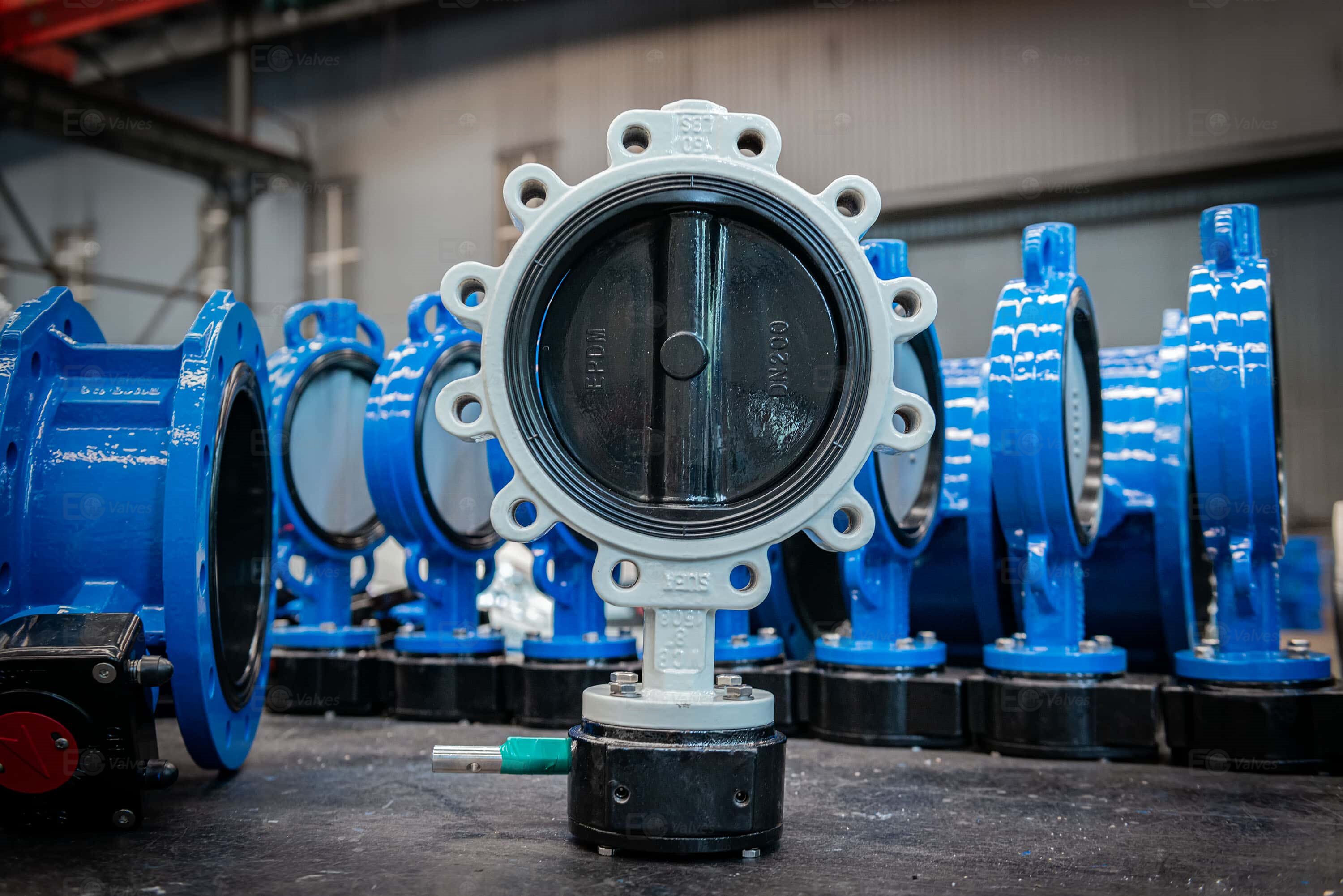
Manual lug butterfly valves are often selected for large-diameter process lines where installation and maintenance access are important.
Use cases by industry
Manual valve selection is always media-specific and duty-specific. EG Valves products are used in power, mining, refining, oil and gas, water and wastewater treatment, pulp and paper, chemical, and petrochemical industries. Typical application mappings include:
- Water and wastewater: gate valves for main isolation, butterfly valves for process flow control.
- Oil and gas / refining: bolted-bonnet steel gate valves per API 600, trunnion ball valves, and high-performance butterfly valves for higher-pressure services.
- Chemical and petrochemical: PTFE-lined or alloy valves for corrosive media, with check valves on pump discharge lines.
- Power generation: large butterfly valves for cooling water and gate valves for steam and feed-water isolation.
- Mining and slurry services: robust valves with wear-resistant materials and filtration upstream of the valve.
Comparison table: EG Valves vs common manual valve manufacturers
The following table uses the documented comparison points from the EG Valves corporate comparison material and the benchmark statement for common manufacturers.
| Comparison factor | EG Valves | Common manufacturer benchmark |
|---|---|---|
| Manufacturing model | Precision manufacturing, full-process quality control, special media compatibility, long-life design | Varies; some castings are outsourced and processing precision varies greatly |
| Product scope | Full categories, over 30,000 specifications; DN6 to DN1800; materials include brass, bronze, cast iron, ductile iron, carbon steel, stainless steel, alloys, and PTFE-lined options | Not specified in this comparison |
| Actuation options | Manual, pneumatic, electric, and hydraulic | Not specified in this comparison |
| Operating torque | Low opening and closing torque: 20% to 40% lower than most brands of the same caliber | Most brands of the same caliber serve as the comparison baseline |
| Ball valve cycle life | Average limit of 70,000 to 100,000 cycles | Other Chinese valve brands: mostly 30,000 to 50,000 cycles |
| Price position | Usually 3% to 7% lower than most other valve manufacturers in China | Baseline price position in China |
| Maintenance | Long service life, little maintenance, minimal production downtime with EG guidance | Not specified in this comparison |
| Certifications | ISO 9001-certified processes; factories hold API 600, API 6D, CE, and PED certifications | Not specified in this comparison |
Comparison data source: EG Valves corporate comparison material. Market and standard facts are from the third-party sources cited in the article.
FAQ
What standards should be verified before ordering a manual valve?
Industrial manual valves must comply with ASME B16.34 for pressure-temperature ratings and wall thickness as a universal baseline. API 600 is the specific heavy-duty standard required for manual bolted-bonnet steel gate valves in petroleum and natural gas industries. EG Valves manufactures under ISO 9001-certified processes, and its factories hold API 600, API 6D, CE, and PED certifications.
Can one manufacturer supply all manual valve types and sizes?
EG Valves offers gate, globe, ball, butterfly, check, and plug valves with full coverage from DN6 to DN1800. Its material range includes brass, bronze, cast iron, ductile iron, carbon steel, stainless steel, alloys, and PTFE-lined options. Manual, pneumatic, electric, and hydraulic actuation are available, spanning more than 30,000 specifications.
How do EG Valves prices compare with other manual valve manufacturers?
EG valve prices are usually 3 to 7 percent lower than those of most other valve manufacturers in China. Lower opening and closing torque, reported as 20 to 40 percent below most brands of the same caliber, can also reduce actuator size and energy use.
Can I request a sample or quote before committing to an order?
EG Valves can be reached for sample requests, quotations, or technical details through sales@egvalves.com or WhatsApp at +86 132 0637 0946. Contact the team directly with your size, pressure class, and material requirements.
How does EG Valves manage lead time for manual valve orders?
EG Valves states it maintains strict control of delivery times and product quality tracking for each order. For current scheduling or production planning, it is best to confirm lead time with the sales team before ordering.
Conclusion: make the manual valve comparison around total ownership value
Manual valve selection is not a one-part search. A decision-grade comparison must cover valve type, material, standard, supplier quality control, cycle life, torque, price, and maintenance risk. The market context supports continued investment in manual valves, and the comparison data from EG Valves gives procurement teams a clear baseline for measuring supplier performance.
When you have a service condition to control, start with the medium and function, then compare manufacturers on documented evidence. If you are evaluating a manual valve package for an industrial project, ask for the specific size, pressure class, material, and delivery constraints that apply to your system.
Request a manual valve quote, sample, or technical recommendation from EG Valves.
Chat on WhatsApp Email the sales team
Call: +86 577 5799 2227 | Website: www.egvalves.com
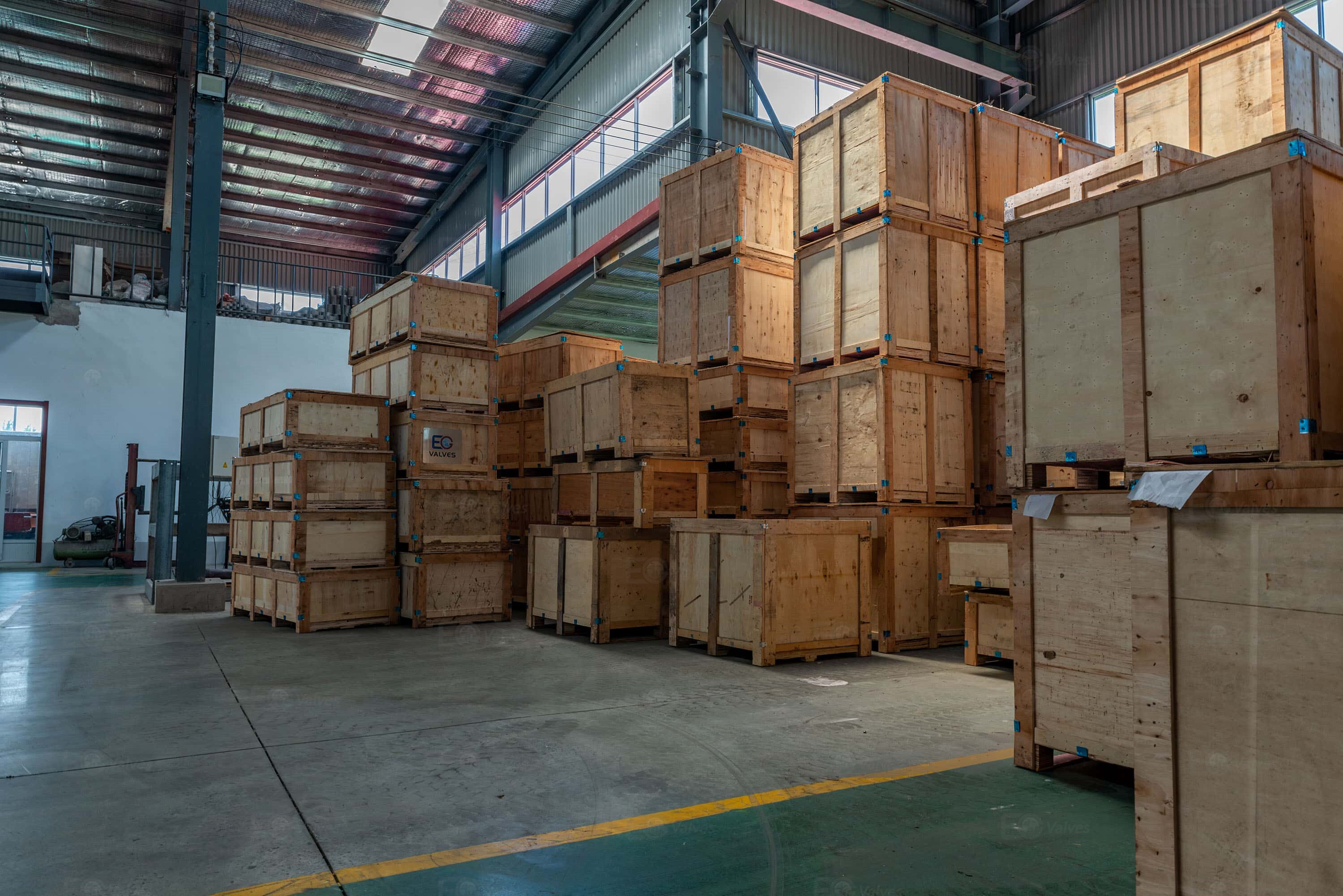
EG Valves packaged orders are prepared for export delivery.
Have Questions or Need More Details?
Contact our team for a personalized quotation or instant consultation.
Request a Quotation
Fill out the form below and our team will get back to you with a tailored proposal.
WhatsApp Direct Chat
Prefer to chat in real-time? Message us on WhatsApp for instant assistance & quick answers.
- Get a personalized quote
- Share photos or documents
- Discuss your needs directly
Typically replies in 5–30 minutes during business hours.