
How to Evaluate China Valve Manufacturers in 2026: A Procurement Framework for Industrial Buyers
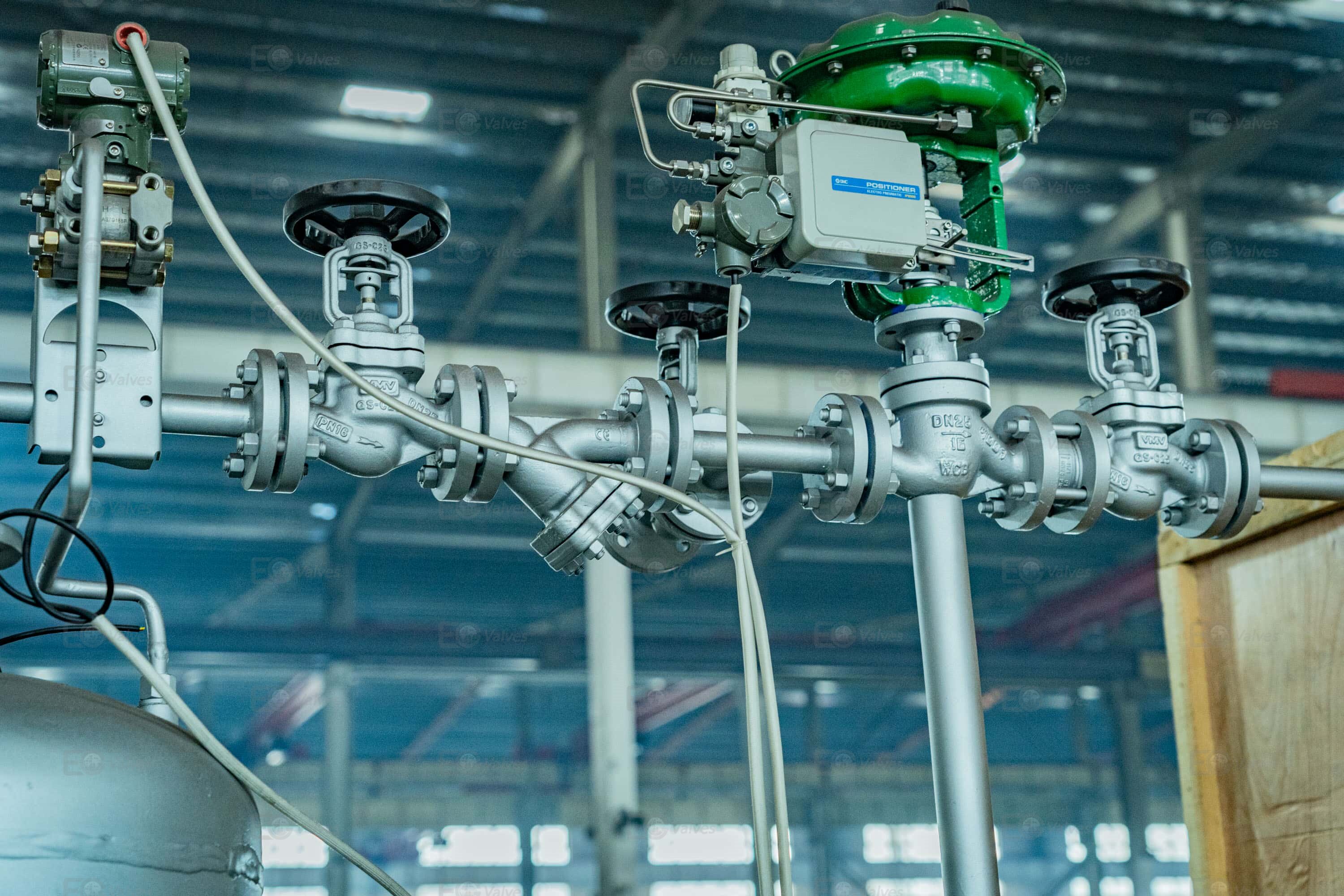
Evaluating a China valve manufacturer requires checking application fit, certification, and installed base — not only price.
How to Evaluate China Valve Manufacturers in 2026: A Procurement Framework for Industrial Buyers
China exported USD 22.6 billion in valves in 2024, representing roughly 20% of total global export concentration, according to the Observatory of Economic Complexity (OEC). The global industrial valves market is estimated at USD 82.9 billion in 2025, with a projected CAGR of 5.7% through 2034 (IMARC Group). For an industrial buyer at the supplier-evaluation stage, the real challenge is not finding a Chinese valve maker — it is distinguishing a manufacturer that can deliver repeatable quality, valid certifications, material traceability, and reliable delivery from one that competes only on price.
Asia Pacific dominated the industrial valves market in 2025 with a revenue share of approximately 36.3%, and China holds the largest share within the region (Grand View Research). This concentration means thousands of registered valve producers, wide quality variation, and a growing number of certified facilities. This article provides a practical framework for shortlisting China valve manufacturers — covering certification verification, production capability, quality control, material coverage, customization, and application evidence — using EG Valves Manufacturing Co., Ltd as a working example of an API-certified supplier.
The Buying Problem: Why Supplier Evaluation Is Critical for Industrial Valves
For buyers evaluating industrial valves, the risk of supplier failure is operational, not just commercial. A gate valve that fails in a refinery, a check valve that leaks in a water treatment line, or a ball valve that seizes during a power station shutdown can cause downtime, safety incidents, and project delays. The most common sourcing mistake is making price the primary selection criterion without verifying the manufacturer's certification coverage, test procedures, material traceability, and installed-base evidence.
Industrial valves are pressure-containing devices. They must match the medium, temperature, pressure class, end connection, and operation mode of the pipeline. The oil and gas industry remains the leading end-user for industrial valves, accounting for nearly 33% of global demand in 2024 (Vantage Market Research via PR Newswire). Most projects in this sector require documented compliance with standards such as API 600 for bolted bonnet steel gate valves, API 6D for pipeline valves, and — for EU-bound equipment — the Pressure Equipment Directive 2014/68/EU.
Therefore, a structured evaluation framework is necessary. Buyers should assess certification validity, design standards, body and trim materials, production capacity, quality control, export experience, OEM/ODM flexibility, and the manufacturer's documented track record in relevant service conditions.
Industry Background: China's Valve Sector in 2026
China's role in the global valve market has expanded well beyond basic cast iron products. In 2024, the country exported valves worth USD 22.6 billion, and its check valve exports alone reached USD 730 million, with the United States as the largest destination at USD 134 million (OEC). These figures reflect a manufacturing base that spans cast iron, cast steel, forged steel, stainless steel, alloy steel, and duplex steel valves, produced to ANSI, DIN, BS, and JIS standards.
Regulatory requirements shape supplier selection. For equipment with pressure exceeding 0.5 bar destined for the EU, industrial valves must comply with PED 2014/68/EU. For oil, gas, and petrochemical applications, buyers commonly require API 600 and API 6D certification. ISO 9001 quality management certification is now a baseline expectation for credible suppliers.
Demand is also broadening across power generation, chemical, pharmaceutical, and food processing sectors. A capable supplier must offer not one valve type but a coherent portfolio: gate valves, globe valves, ball valves, butterfly valves, check valves, and strainers, in sizes and pressure classes that match a range of industrial systems.
Detailed Solution: Eight Criteria for Vetting a China Valve Manufacturer
The following criteria form a supplier-evaluation checklist. Each point is illustrated with verifiable facts from EG Valves Manufacturing Co., Ltd, a Wenzhou-based valve manufacturer established in 2000 with a 27,500 m² facility, 300 employees, and an annual output of approximately 90,000 valves.
1. Certification Coverage and Validity
Certifications must be current, correctly scoped, and traceable to the issuing body. A buyer should request the certificate number, issue date, expiry date, and product scope before placing an order.
EG Valves holds ISO 9001:2015 (cert. no. 00125Q33391R3M/3400, issued by CQC, valid to 2028-05-22), which covers gate valves, globe valves, ball valves, butterfly valves, check valves, pipe filters, and flanges. The company also holds API 600 (cert. no. 600-0179, valid to 2027-03-30) for bolted bonnet steel gate valves, and API 6D (cert. no. 6D-0506, valid to 2027-03-30) for check valves, ball valves, and gate valves. For EU-bound products, EG Valves holds CE PED 2014/68/EU certification (cert. no. DGR-0036-QS-1360-24, issued by TUV SUD, valid to 2027-05-26), which is directly aligned with the EU standard requirement for pressure equipment exceeding 0.5 bar.
2. Manufacturing and Engineering Capacity
Production capacity determines whether a supplier can handle order volumes, maintain consistent lead times, and support custom requirements without sacrificing quality. EG Valves operates a 27,500 m² facility with 300 employees, including 30 R&D engineers, and an annual output of about 90,000 valve units. These figures indicate a mid-to-large scale operation with dedicated engineering resources, not an assembly workshop.
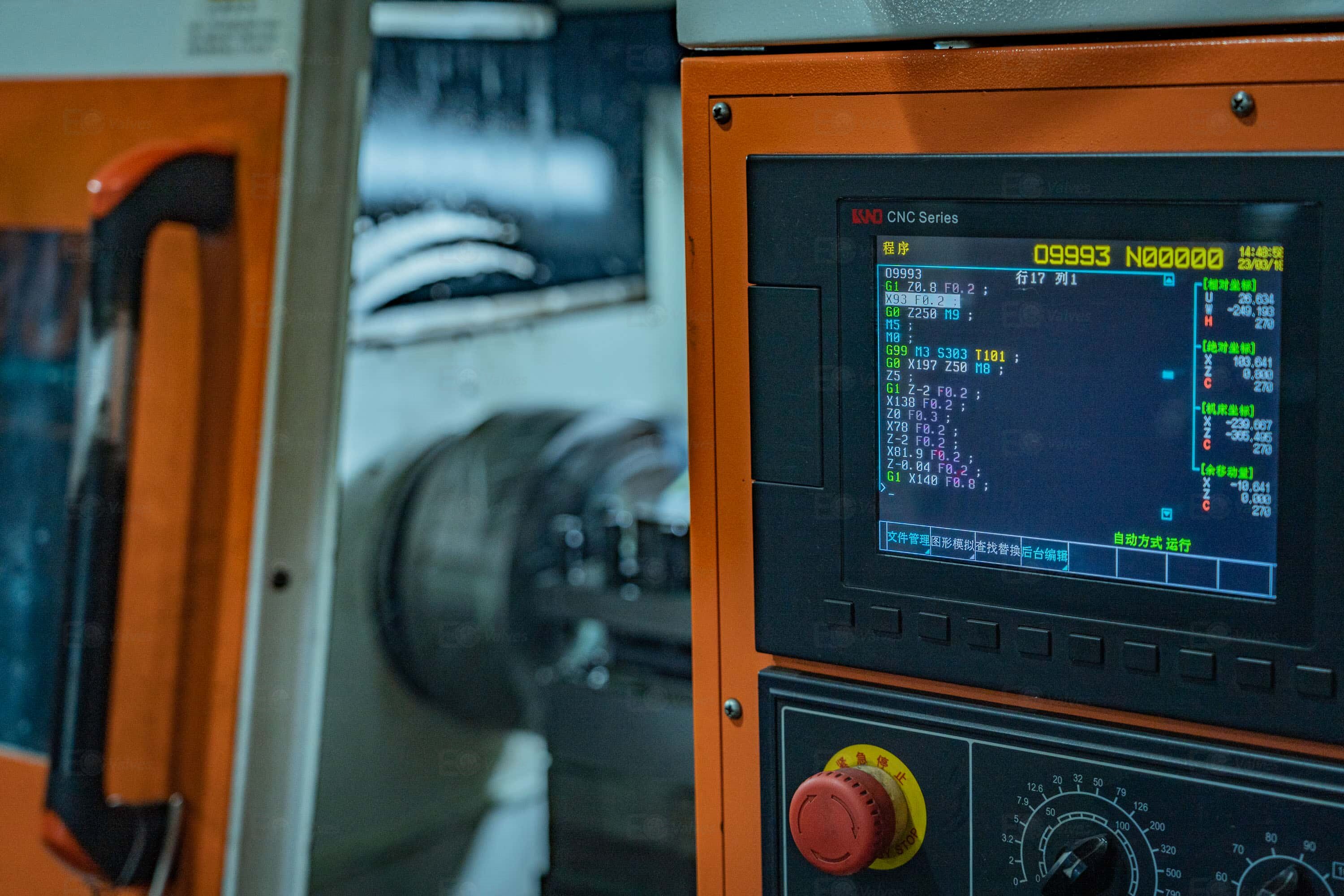
Machine shops and test equipment are central to evaluating manufacturing capability.
3. Product Range and Design Standards
A broad product range reduces the number of suppliers a buyer must qualify. EG Valves manufactures gate valves, globe valves, ball valves, butterfly valves, check valves, plug valves, and strainers, to ANSI, DIN, BS, and JIS standards or to customer-specific requirements. Its product line includes cast steel and forged steel gate valves up to Class 2500, trunnion ball valves up to NPS 40, triple-offset butterfly valves up to DN1500, and pressure-seal gate and globe valves for high-pressure power and refining applications.
4. Material and Pressure Class Coverage
Projects in oil and gas, chemicals, power, and offshore service require compatibility with specific materials and pressure ratings. EG Valves lists carbon steel, stainless steel, alloy steel, and duplex steel as standard body materials across its main product families. Pressure classes extend from Class 125/150 to Class 1500 for cast steel valves and up to Class 2500 for forged and pressure-seal designs, with PN ratings from PN6 to PN420. This coverage matters for buyers who need one qualified supplier across multiple project sites.
Material documentation is equally important. EG Valves provides EN 10204 3.1 Material Test Certificates with every order, giving buyers independent traceability of chemical composition and mechanical properties.
5. Quality Control Process
The difference between a reliable valve factory and a trading house often appears in the inspection process. EG Valves states that a dedicated QC team inspects 100% of every valve before shipment. This full-inspection approach, combined with API and ISO-certified processes, provides stronger assurance than batch sampling.
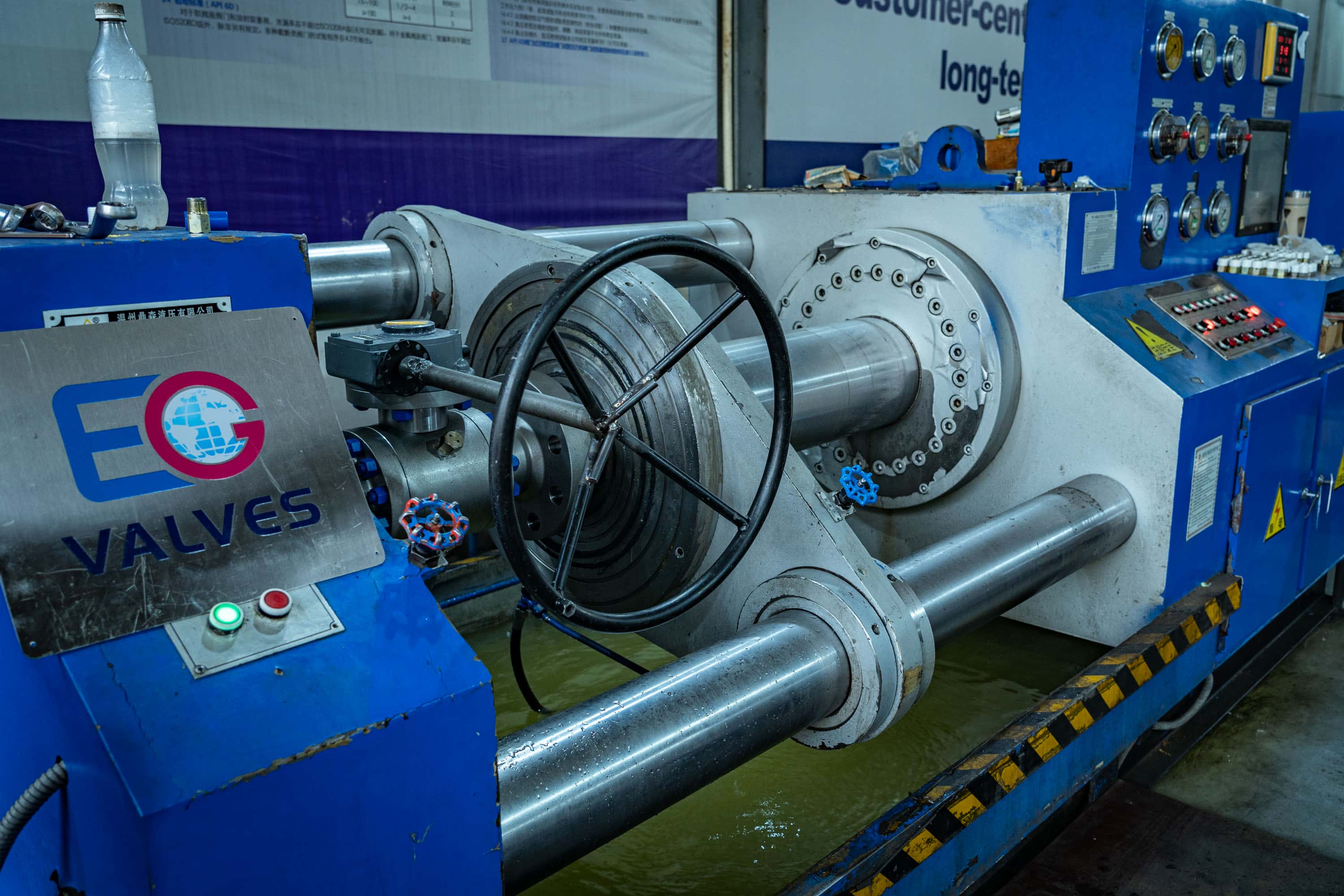
A 100% inspection process is a central check in supplier evaluation.
6. OEM and ODM Flexibility
Distributors, engineering firms, and equipment manufacturers often need private-label valves or customized configurations. EG Valves supports OEM/ODM production under the client's brand or its own EG brand, with a monthly capacity of 8,000 valves. Its MOQ is 1 piece for large-size valves and 10 pieces for small-size valves, which is unusually flexible for a factory of this scale and reduces the risk for buyers testing a new supplier.
7. Lead Time and Delivery Reliability
For project planning, lead time consistency is as important as the quoted duration. EG Valves operates with a standard lead time of 25–35 days, supported by a production planning system designed to meet order schedules. Buyers should note that the company's export share is approximately 80%, with main markets in the EU, North America, Latin America, and the Middle East — which means its production and logistics processes are built around international shipping expectations.
8. Application Track Record
The strongest evidence of a manufacturer's suitability is a documented installed base in applications similar to the buyer's own. EG Valves reports successful projects across water treatment, petroleum refining, offshore, food and beverage, oil and gas, construction and infrastructure, and chemical processing — with client feedback consistently indicating safe and stable operation.
Step-by-Step Breakdown: How to Run a Structured Supplier Evaluation
The following six-step process converts the criteria above into a practical workflow for procurement and engineering teams.
- Verify certification validity and scope. Request certificate numbers, issuing bodies, expiry dates, and product scopes for ISO 9001, API 600, API 6D, and CE PED. Confirm that the certifications are active and cover the specific valve types you intend to source. For EG Valves, this information is available upon request and is documented in the company profile.
- Audit production and engineering capacity. Confirm factory size, headcount, engineering team, and annual output. EG Valves' 27,500 m² facility, 300 employees, and 30-engineer R&D team are reasonable indicators of a resource-backed manufacturer, not an intermediary.
- Request traceable material documentation. Ask whether the supplier can provide EN 10204 3.1 Material Test Certificates for each order. For high-pressure and corrosive service, confirm availability of WCB, WC6, WC9, C5, A105, F316, duplex, and alloy steel materials.
- Evaluate the product portfolio against your application list. Map the valves you need — gate, globe, ball, butterfly, check, plug, strainer — against the manufacturer's standard ranges and pressure classes. A single supplier covering 80% of your list with valid certifications is usually preferable to managing five separate suppliers.
- Assess OEM/ODM and after-sales support. Confirm branding options, MOQ flexibility, and technical support availability. EG Valves states its after-sales team provides technical guidance to support seamless integration of valves into existing systems.
- Begin with a pilot order and an inspection plan. Test documentation accuracy, packaging quality, lead-time reliability, and product performance before committing to a full project order. The buyer should retain the right to witness testing or request third-party inspection.
Use Cases: Application Evidence Across Industries
Application history provides practical evidence of how a supplier's valves perform under real service conditions. The following verified cases are drawn from EG Valves' project records.
Water Treatment — Brazil
A Brazilian water treatment client used 326 gate valves, butterfly valves, and check valves in sizes DN40–DN2000 with pressure rating PN16, managing water flow and pressure to optimize treatment processes. The project has been running for 8 years, with client feedback reporting safe and reliable operation and stable performance with low noise.
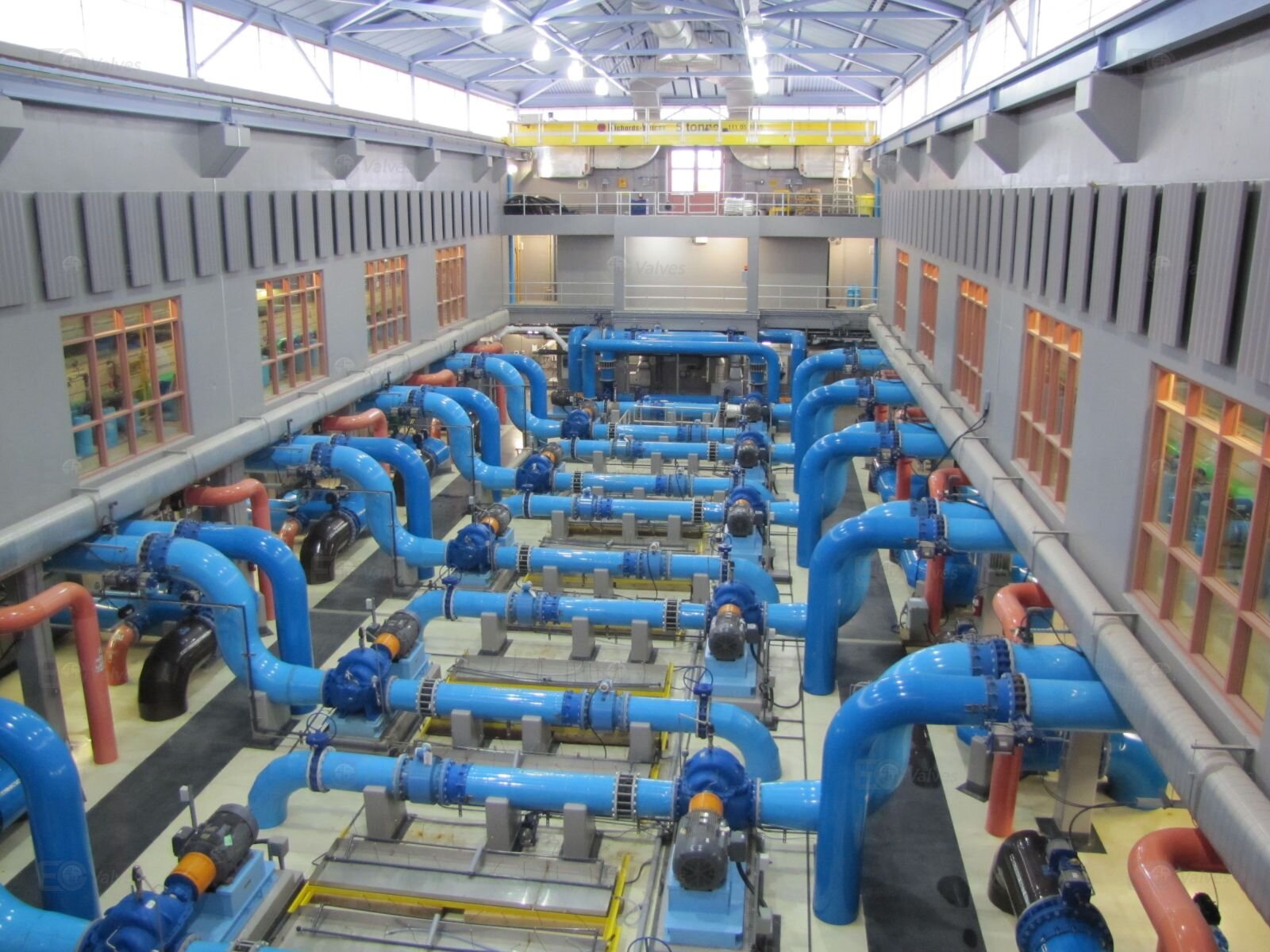
EG valves in a Brazilian water storage project, operating safely for 8 years.
Petroleum Refining — UAE
A UAE refining project involved 915 valves — gate, globe, check, ball, and butterfly types — in pressure classes from 150 to 1500, with materials including WCB, WC6, WC9, and C5, in sizes from 2 to 36 inches. The client reported safe and steady operation over 8–10 years, confirming the valves' ability to support complex refining processes requiring precise fluid control.
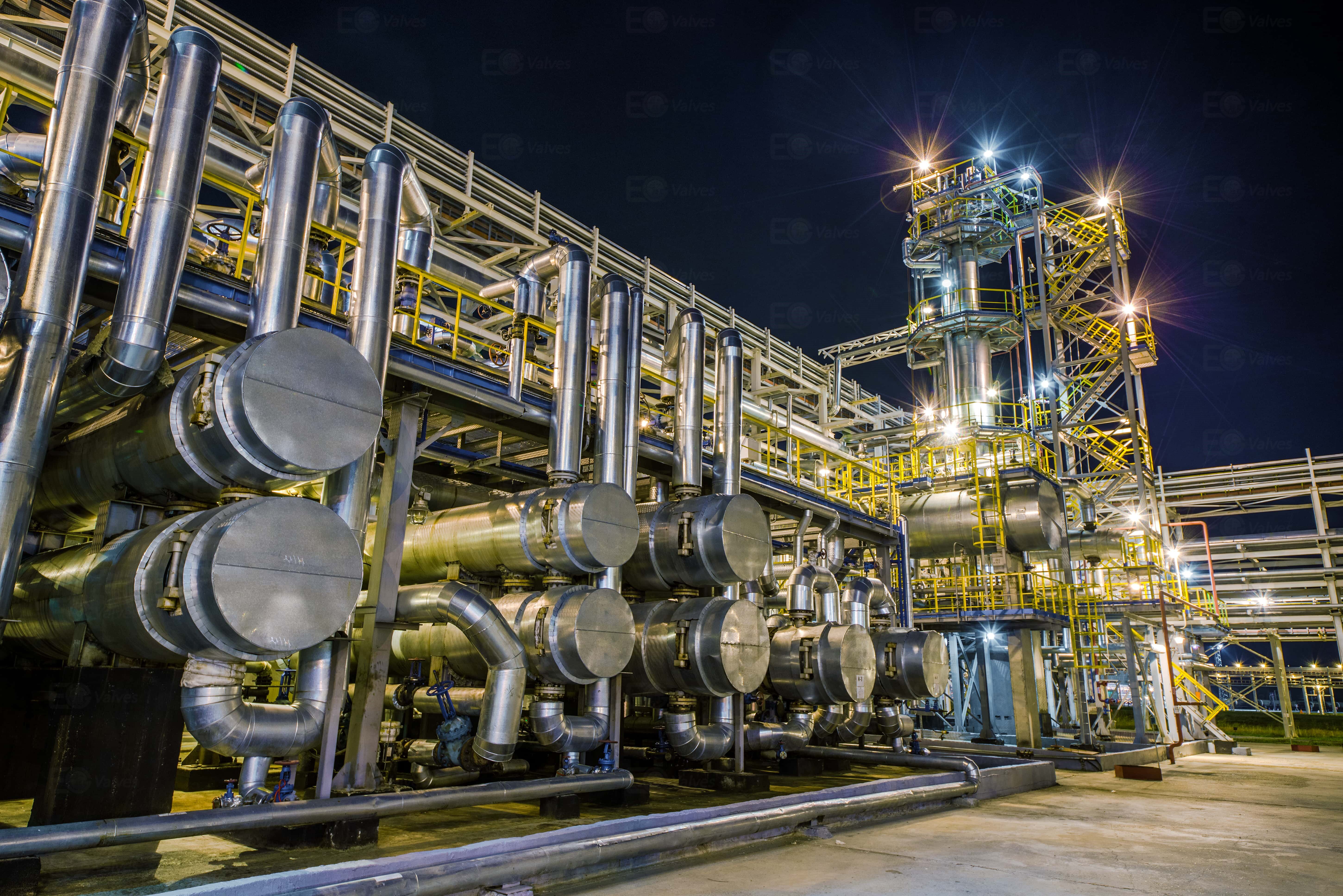
High-pressure refining application in the UAE, supplied with 915 EG valves.
Offshore — Malaysia
An offshore project in Malaysia deployed 120 ball valves and gate valves in pressure classes 150–1500, with materials including Bronze, WCB, A105, SS316, 2205, and 2507. The client confirmed safe and steady operation over 3 years, with the valves successfully resisting corrosive seawater and minimizing maintenance and downtime.
Food and Beverage — Italy
An Italian food processing client used 180 industrial valves — gate, ball, butterfly, and check — in sizes DN15–DN750 at PN16 for 5 years. The valves met high cleanliness standards, ensuring sterility and preventing contamination, with stable operation and low noise reported.
Oil and Gas — Mexico
A Mexican oil and gas client reported zero leakage and stable operation from 290 gate valves, ball valves, check valves, and plug valves in Class 150–1500, supporting drilling, extraction, and refining applications over 8 years.
Oil and Gas — United States
A US oil and gas project involved 1,438 gate, globe, check, and ball valves in Class 150–1500, with materials including WCB, WC6, WC9, C5, and A105. The installation has operated safely and stably for 8 years, confirming reliability in high-pressure and corrosive conditions.
Supplier Evaluation Scorecard: EG Valves at a Glance
The table below summarizes the key evaluation dimensions and how EG Valves addresses each one. This format is designed as a reusable reference for procurement teams comparing supplier responses.
| Evaluation Dimension | What to Verify | EG Valves Evidence |
|---|---|---|
| Certification | API 600, API 6D, CE PED, ISO 9001 validity and scope | API 600 (600-0179); API 6D (6D-0506); CE PED (DGR-0036-QS-1360-24); ISO 9001 (00125Q33391R3M/3400) |
| Factory scale | Facility size, headcount, annual output | 27,500 m²; 300 employees; ~90,000 pcs/year |
| Engineering | R&D team for customization | 30 engineers |
| Product range | Gate, globe, ball, butterfly, check, plug, strainer | All seven product families available |
| Materials | Carbon steel, stainless, alloy, duplex | WCB, WC6, WC9, C5, A105, F316, 2205, 2507 capability |
| Pressure coverage | Class 150 to Class 2500 where needed | Cast steel up to Class 1500; forged and pressure-seal up to Class 2500 |
| Quality control | Inspection rate and material traceability | 100% inspection; EN 10204 3.1 certificates with every order |
| OEM/ODM | Branding, MOQ, customization | EG brand or client logo; MOQ 1 pc (large) / 10 pcs (small) |
| Lead time | Production cycle for standard orders | 25–35 days |
| Export experience | Markets served, export share | ~80% export; EU, North America, Latin America, Middle East; 33+ countries |
Frequently Asked Questions
Q1: What certifications should a China valve manufacturer hold for industrial projects?
For industrial projects, a credible China valve manufacturer should hold at minimum ISO 9001 for quality management, API 600 for bolted bonnet steel gate valves, API 6D for pipeline valves (ball, gate, and check valves), and CE PED 2014/68/EU for equipment shipped to the EU with pressure exceeding 0.5 bar. Buyers should verify the certificate number, issuing body, validity period, and product scope. EG Valves Manufacturing Co., Ltd currently holds all of these certifications: ISO 9001 (00125Q33391R3M/3400), API 600 (600-0179), API 6D (6D-0506), and CE PED (DGR-0036-QS-1360-24).
Q2: How can I verify a Chinese valve manufacturer's quality control?
Quality control verification should include three layers: the manufacturer's stated inspection rate (full inspection vs. batch sampling), documented material traceability (such as EN 10204 3.1 Material Test Certificates), and the presence of third-party certifications that require regular audits. EG Valves operates a dedicated QC team that inspects 100% of every valve before shipment, provides EN 10204 3.1 certificates with every order, and manufactures under ISO 9001-certified processes with API 600, API 6D, and CE PED certifications.
Q3: Can China valve manufacturers produce customized or OEM valves?
Yes. Many mid-to-large Chinese valve factories offer OEM and ODM services. EG Valves, for example, manufactures valves under the client's brand logo or its own EG brand, with a monthly capacity of 8,000 valves. The company also states that its after-sales team provides technical guidance to support seamless integration of valves into existing systems. Buyers should confirm MOQ flexibility, customization of materials or pressure classes, and whether branding options are available before ordering.
Q4: What is the typical MOQ and lead time from a Chinese valve manufacturer?
MOQ and lead time vary by factory size and product type. EG Valves operates with an MOQ of 1 piece for large-size valves and 10 pieces for small-size valves, with a standard lead time of 25–35 days. These terms are designed to support both project-based orders and distributor stock replenishment. Buyers should ask whether the quoted lead time applies to standard materials and whether alloy or duplex materials require additional scheduling.
Q5: What should I include in a valve RFQ to get an accurate quotation?
An accurate valve RFQ should specify valve type, size range, pressure class, end connections, body and trim materials, seat/sealing material, operation mode (handwheel, gearbox, electric, pneumatic), applicable standard, and quantity. For projects in regulated industries, also state required certifications and documentation. This level of detail lets the manufacturer respond with the correct design and compliance package. For a full overview of product families, contact the EG Valves sales team or download the company brochure for reference.
Conclusion: Building a Qualified Shortlist
Selecting a China valve manufacturer for industrial projects is a structured evaluation, not a price comparison. The framework in this article focuses on six verifiable areas: certification validity, production capacity, product range, material traceability, quality control, and application track record. Buyers who apply this framework can reduce sourcing risk and build supplier relationships that support long-term project performance.
EG Valves Manufacturing Co., Ltd demonstrates how an API-certified Chinese manufacturer addresses these evaluation criteria: established in 2000, operating a 27,500 m² facility in Wenzhou, holding API 600 and API 6D certification, supplying EN 10204 3.1 material documentation, and delivering to more than 33 countries across the EU, North America, Latin America, and the Middle East.
For procurement teams in the evaluation stage, the next logical step is to review the manufacturer's product portfolio and certification documents. The complete EG Valves brochure is available for public download: EG Valves Company Brochure (PDF).
Ready to evaluate EG Valves for your project?
Send your valve RFQ or ask for a product catalog: sales@egvalves.com
Tel: +86 577 5799 2227 | WhatsApp: +86 132 0637 0946
Have Questions or Need More Details?
Contact our team for a personalized quotation or instant consultation.
Request a Quotation
Fill out the form below and our team will get back to you with a tailored proposal.
WhatsApp Direct Chat
Prefer to chat in real-time? Message us on WhatsApp for instant assistance & quick answers.
- Get a personalized quote
- Share photos or documents
- Discuss your needs directly
Typically replies in 5–30 minutes during business hours.