
Avoiding System Downtime: Strainer and Check Valve Solutions for Pipeline Protection
Pipeline downtime in a water treatment plant, an HVAC plant room or a municipal pumping station rarely begins with a dramatic failure. It usually starts with something small: a strainer screen that has gradually loaded with debris, or a check valve disc that did not seat before the flow reversed. Both are predictable failure modes, and both are addressed by two components that cost a fraction of the equipment they protect.
This article examines two pipeline protection products from EG Valves Manufacturing Co., Ltd — the SNI501 cast iron strainer and the CSV410 stainless steel check valve — and explains how they work as a pair. It is written for importers, distributors, procurement managers and project engineers who are still at the research stage and need to understand what each component does, how the two are specified together, and which details must be confirmed before an order is placed.
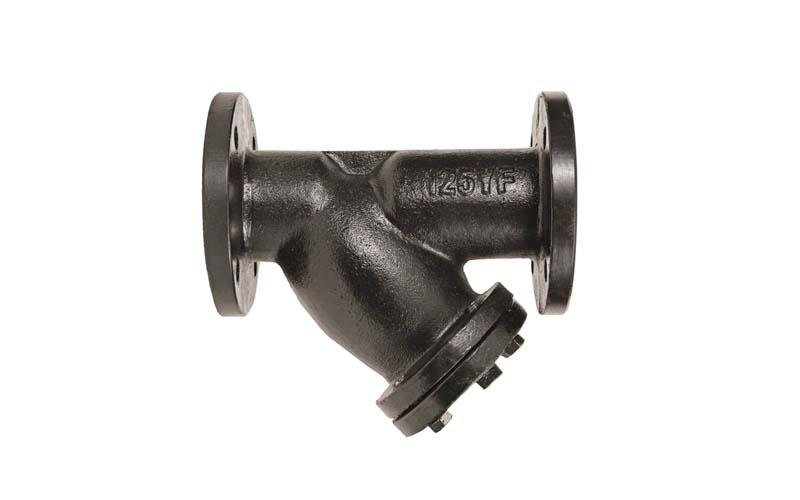
What Causes Pipeline Downtime: Debris Contamination and Reverse Flow
Two failure modes account for a large share of unplanned pipeline interruptions in water, HVAC and general industrial systems: solid contamination carried in the medium, and reverse flow.
Debris contamination. Suspended solids — scale, weld slag, sand, corrosion products and general construction debris — travel with the medium until something stops them. That something is usually a screen, an impeller, a heat exchanger tube, a spray nozzle or a control valve seat. When a screen loads up, the open flow area shrinks and differential pressure rises; when particles pass a screen, they erode and score seating surfaces downstream. The result is reduced capacity, higher energy consumption and premature wear on the most expensive equipment in the line.
Reverse flow. When flow direction reverses — after a pump stops, after a sudden downstream valve closure, or when a check valve fails to close — the consequences spread beyond the immediate line. Reverse flow can slam pipework, allow treated water to mix with untreated water, spin a stopped pump backwards, and disturb upstream processes that were designed for one-directional flow.
Both failure modes share one important property: they are cheaper to prevent than to repair. A strainer and a check valve installed at the right points convert an unpredictable repair event into a routine maintenance task.
Industry Background: Where Strainers and Check Valves Fit in the Manual Valve Landscape
Strainers and check valves sit inside a valve market that is still dominated by manually operated products. The global manual valve market was estimated at USD 78.4 billion in 2025 and is projected to reach USD 117.17 billion by 2035, according to Vantage Market Research. Within that space, Precedence Research reported that the manual ball valve segment held a 28.1% share of the general valve market in 2025, and Grand View Research found that the manual segment accounted for a 41.2% revenue share of the global butterfly valve market in 2024. Dataintelo data also shows wafer-type manual butterfly valves holding the largest configuration share, at 38.5%, in 2025.
The reason manual valves dominate is practical. A manual gate valve, manual ball valve, manual butterfly valve, manual globe valve, manual plug valve or manual knife gate valve will isolate or regulate a line without any power supply, actuator or control signal. What manual valves cannot do is protect a pipeline continuously while nobody is watching. That is the role of the strainer and the check valve: both operate automatically, every second the line is running.
Specification practice reflects this division of labour. Industrial valves are commonly specified against ASME B16.34 for pressure-temperature ratings and wall thickness as a universal baseline, while API 600 is the specific standard applied to bolted-bonnet steel gate valves in petroleum and natural gas industries. EG Valves Manufacturing Co., Ltd manufactures valves to ANSI, DIN, BS and JIS standards or to customer requirements, and its production runs under ISO 9001-certified processes, with API 600, API 6D, CE and PED certifications held at factory level.
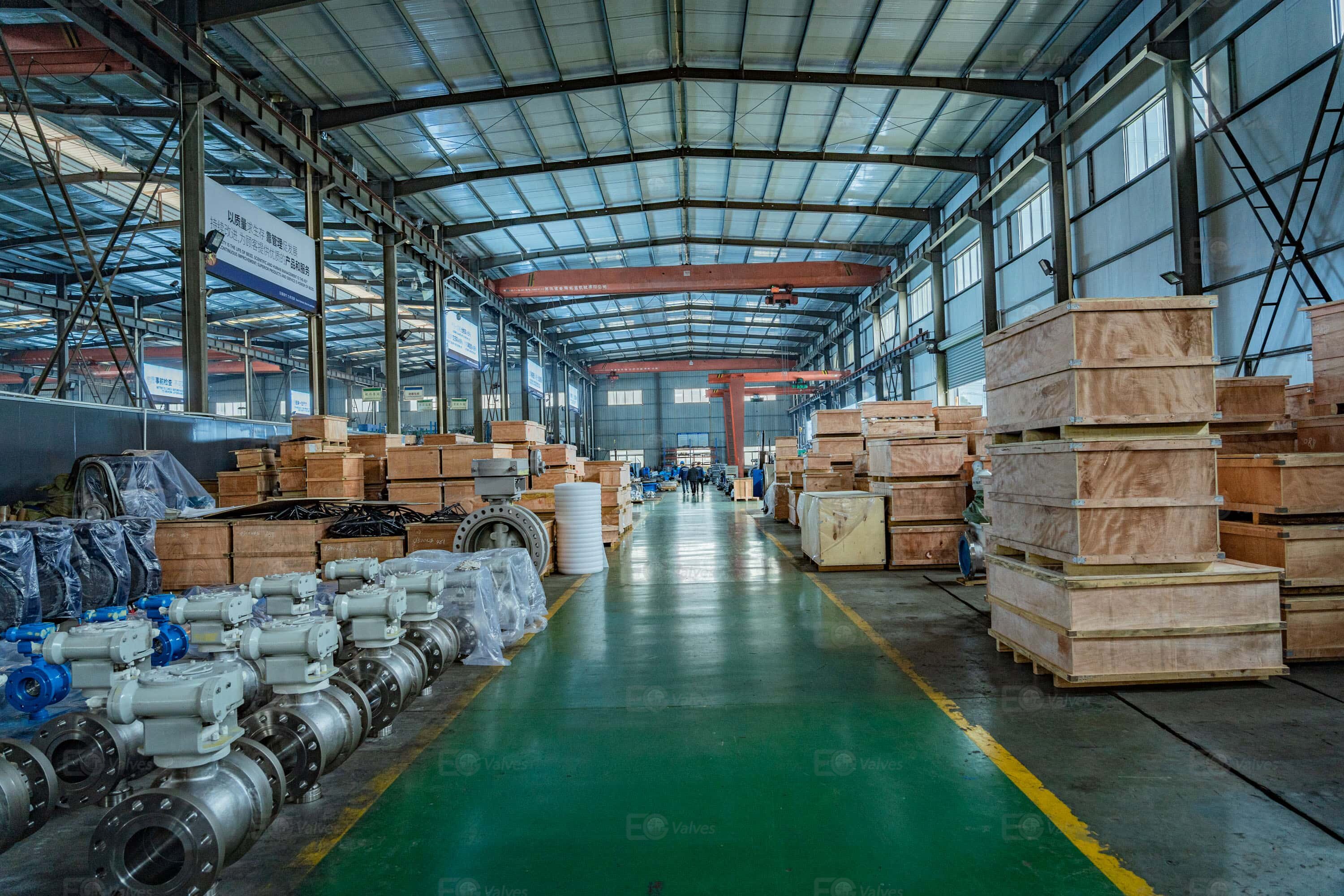
Company context. EG Valves Manufacturing Co., Ltd was established in 2000 in Wenzhou, Zhejiang Province, China, and has more than 25 years of experience in the industrial valve sector. Its 27,500 m2 facility employs approximately 300 staff, including a research and development team of 30 engineers, and produces about 90,000 units per year. Roughly 80% of production is exported to the EU, North America, Latin America and the Middle East, and the company's products are accepted in more than 33 countries and regions.
The SNI501 Cast Iron Strainer: First-Line Defense Against Pipeline Debris
The SNI501 is a cast iron strainer — an in-line mechanical filtration device that captures solid particles before they reach pumps, valves, heat exchangers or instrumentation downstream. In practical pipeline design it is the first component in the protection sequence, because everything behind it depends on the quality of the medium that reaches it.
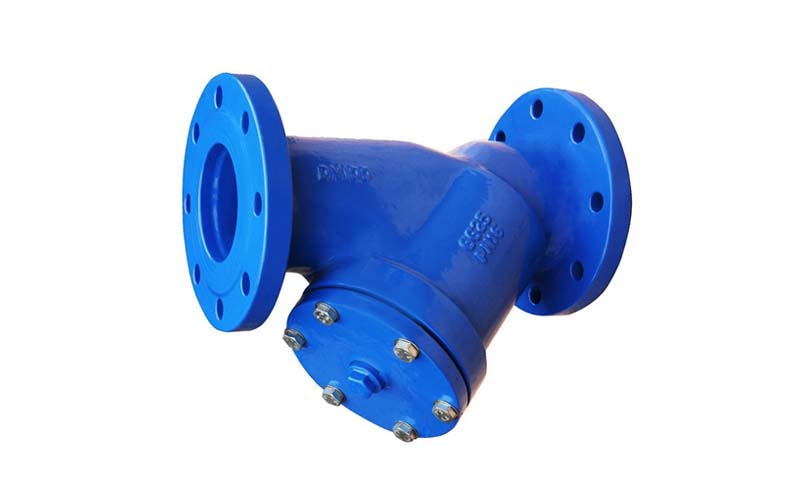
SNI501 specification summary
- Body material: cast iron or ductile iron
- Construction: Y-strainer type or basket strainer type
- Screen: stainless steel screen available in a wide variety of meshes and perforations
- Maintenance: bolted-on cover provides easy access to the interior for routine maintenance
- Seat design: design prohibits galling or scoring of seating surfaces
- Coating: epoxy powder coating or paint coating
- Size range: NPS 2" to 12" / DN50 to DN300
- Pressure rating: Class 125 / Class 150; PN10 / PN16
- End types: FF, RF, threaded (NPT / BSP / BSPT)
- Typical industries: water treatment, HVAC, building services, municipal utilities, general industrial pipelines
How to choose between a Y-strainer and a basket strainer
The SNI501 is available in both constructions, and the choice affects both installation and cleaning routine. A Y-strainer body is compact and fits into a run of straight pipework with less space around it. A basket strainer presents a larger screening area in a body that is cleaned by removing the basket. In practice, Y-type bodies are commonly specified where installation space is tight and the debris load is moderate, while basket-type bodies are often preferred where a larger open screen area and simpler basket removal are the priorities. Because the stainless steel screen is available in a wide variety of meshes and perforations, the filtration level can be matched to the particle size that actually threatens the downstream equipment instead of being fixed by the housing.
Why the maintenance detail matters more than the headline specification
A strainer is only protective while its screen is clean, which makes access the decisive design feature. The SNI501 uses a bolted-on cover that provides easy access to the interior for routine maintenance, so cleaning can be handled inside a normal maintenance window instead of requiring the line segment to be dismantled. The design also prohibits galling or scoring of seating surfaces, which helps the housing return to a reliable seal after each opening — an important detail for plants that clean screens on a fixed schedule.
The CSV410 Stainless Steel Check Valve: Safeguard Against Backflow
The CSV410 is a stainless steel check valve — a non-return valve that allows flow in one direction and closes automatically when the flow reverses, without any actuator, handle or operator input. If the strainer is the component that keeps debris out, the check valve is the component that keeps flow going the right way.
CSV410 specification summary
- Body material: stainless steel, duplex steel or alloy steel
- Body configuration: wafer type, lug type or double flange type
- Available constructions: dual plate, single plate, wafer lift and threaded valves
- Closing mechanism: high torsion Inconel springs for quick closing
- Sealing: seat faces lapped for smooth finish and superior sealing
- Assembly: disc assembly secured in place by a high strength key
- Cleaning: special cleaning for applications such as oxygen or chlorine
- Size range: NPS 1/2" to 48" / DN15 to DN1200
- Pressure rating: Class 150 to Class 1500; PN10 to PN160
- Typical industries: water treatment, HVAC, oil and gas, petrochemical, power generation, industrial pipelines
What quick closing actually buys the system
The CSV410 uses high torsion Inconel springs for quick closing. In a spring-assisted check valve, the spring works with the reverse flow to bring the disc back to its seat as soon as forward flow decays, which shortens the window during which reverse flow can develop. The seat faces are lapped for a smooth finish and superior sealing, and the disc assembly is secured in place by a high strength key, so the closing element stays where it was set. Quick closing is not a universal answer to surge problems — where water hammer is a design concern, closing behaviour has to be assessed together with the system's surge conditions — but it is a key selection factor on pump discharge lines and wherever reverse flow would contaminate or damage a process.
Choosing a body configuration and material
The CSV410 covers a wide operating envelope: NPS 1/2" to 48" (DN15 to DN1200) and Class 150 to Class 1500, or PN10 to PN160, which means one product family can serve both small threaded lines and large flanged mains. Body configuration — wafer, lug or double flange — is generally selected around the mating flange arrangement and the space available between flanges, while dual plate, single plate, wafer lift and threaded constructions cover different flow paths and installation preferences. Material selection follows the medium: stainless steel for general water and process service, duplex steel and alloy steel where corrosion resistance requirements are higher. For oxygen or chlorine service, the valve is available with special cleaning.
Step-by-Step: Building a Pipeline Protection Package
The following framework shows how the SNI501 strainer and the CSV410 check valve are combined in practice. It is written for buyers and engineers preparing a specification, and it lists the decisions that must be settled before a quotation is requested.
- Map the failure modes on the line. Identify where debris enters the system — raw water intake, newly constructed pipework, restart after a maintenance shutdown — and identify the points where reverse flow would cause damage or contamination, such as pump discharges and connections between treated and untreated water.
- Size both components to the line. Match the strainer and the check valve to the nominal line size and pressure class. The SNI501 covers NPS 2" to 12" (DN50 to DN300) at Class 125 / Class 150 or PN10 / PN16. The CSV410 covers NPS 1/2" to 48" (DN15 to DN1200) at Class 150 to Class 1500 or PN10 to PN160.
- Select the strainer construction and screen. Decide between Y-strainer and basket strainer construction based on available space and cleaning preference, then select a stainless steel screen mesh or perforation that matches the particle size that threatens the downstream equipment. Confirm end connections — FF, RF or threaded (NPT / BSP / BSPT) — against the pipe standard already in use.
- Select the check valve configuration and material. Choose the wafer, lug or double flange body configuration, choose between dual plate, single plate, wafer lift and threaded constructions, and confirm the body material against the medium. Where oxygen or chlorine is present, specify the special cleaning option.
- Sequence the installation so the strainer protects the check valve. In a shared line, the strainer is positioned upstream of the equipment it protects, including check valves, so that solid particles are captured before they can score or lodge in seating surfaces. This sequencing is what turns two separate components into a protection package.
- Define the maintenance routine and the isolation method. Because the SNI501 has a bolted-on cover providing easy access to the interior, screen cleaning can be planned as routine maintenance. Manual isolation valves — a manual gate valve, manual ball valve or manual butterfly valve on the same segment — allow the strainer or check valve to be isolated for service without shutting the whole system down. Record model numbers, sizes, pressure classes and screen meshes in the maintenance file so replacements match the original specification.
Use Cases: Where the SNI501 and CSV410 Pair Fits
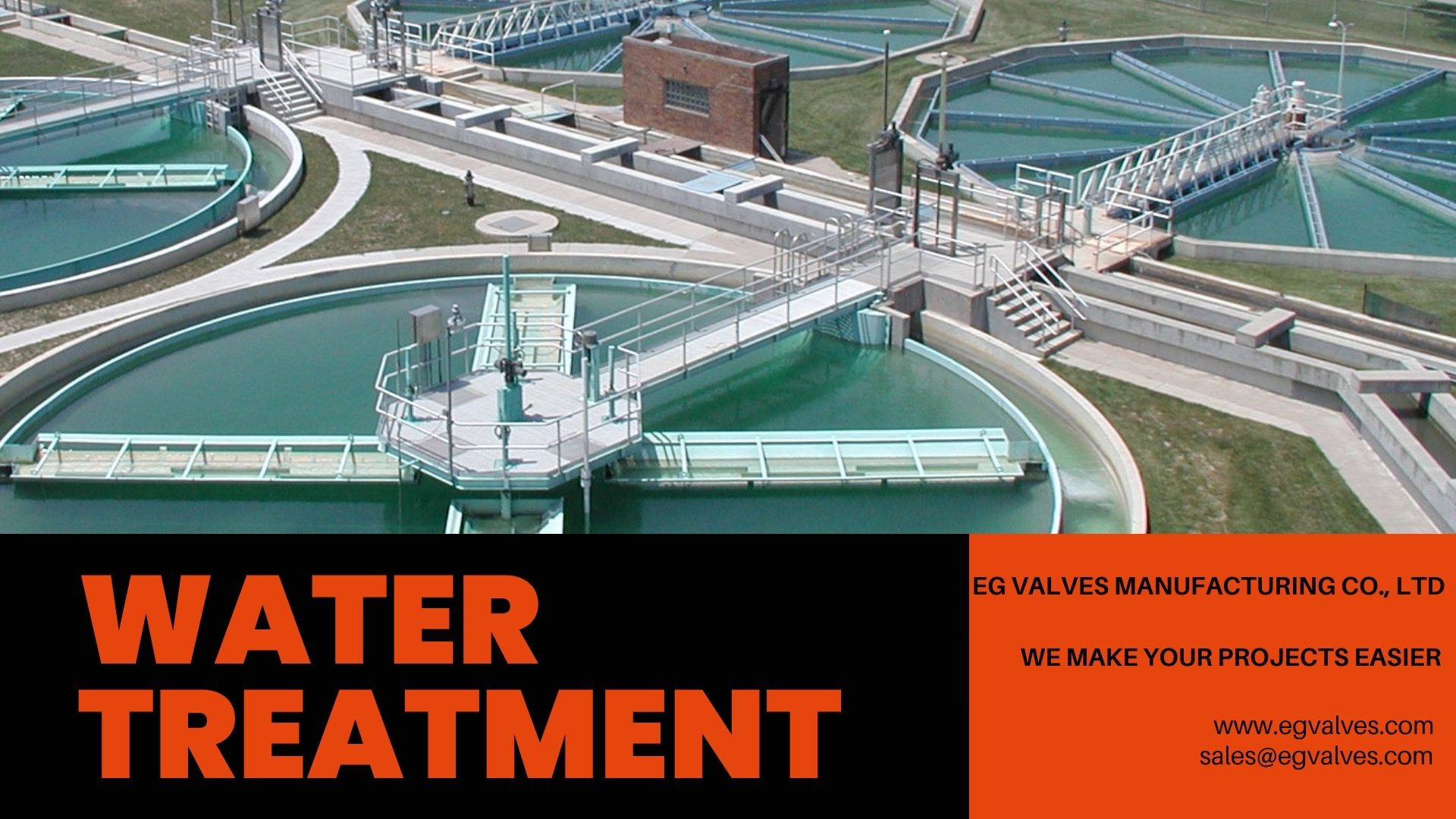
Water treatment. Strainers protect pumps, filters and dosing equipment from suspended solids, while check valves prevent treated water from flowing back into upstream treatment stages and stop reverse flow through pumps that have been taken offline. The SNI501 lists water treatment among its primary industries, and the CSV410 covers water treatment and industrial pipelines in the same range.
HVAC and building services. Chilled water and condenser water loops carry debris from construction, make-up water and corrosion. A strainer placed ahead of pumps, coils and control valves keeps that debris out of narrow passages, and a check valve on pump discharge prevents reverse flow when a pump stops. Both products list HVAC and building services among their applications.
Municipal utilities. Distribution networks and pumping stations depend on continuous flow. Strainers protect metering and pumping equipment, and check valves limit reverse flow at interconnection points. Municipal utilities appear in the SNI501 application list, and the CSV410 is applied across water treatment and general industrial pipelines.
General industrial pipelines. Beyond water and HVAC, the CSV410 is used in oil and gas, petrochemical and power generation service, where the stainless steel, duplex steel and alloy steel body options and the Class 150 to Class 1500 pressure range come into play. EG Valves serves the power, mining, refining, oil and gas, water and wastewater treatment, pulp and paper, chemical and petrochemical industries, so the protection package can be specified alongside the rest of the valve schedule.
SNI501 Cast Iron Strainer vs CSV410 Stainless Steel Check Valve
| Attribute | SNI501 Cast Iron Strainer | CSV410 Stainless Steel Check Valve |
|---|---|---|
| Product category | Strainers | Check valves |
| Function in the pipeline | Captures solid particles before they reach downstream equipment | Allows one-directional flow and closes automatically against reverse flow |
| Body material | Cast iron or ductile iron | Stainless steel, duplex steel or alloy steel |
| Construction / configuration | Y-strainer type or basket strainer type | Wafer, lug or double flange; dual plate, single plate, wafer lift and threaded constructions available |
| Screen / sealing detail | Stainless steel screen available in a wide variety of meshes and perforations | Seat faces lapped for smooth finish and superior sealing; disc assembly secured by a high strength key |
| Size range | NPS 2" to 12" / DN50 to DN300 | NPS 1/2" to 48" / DN15 to DN1200 |
| Pressure rating | Class 125 / Class 150; PN10 / PN16 | Class 150 to Class 1500; PN10 to PN160 |
| End connection / mounting | FF, RF, threaded (NPT / BSP / BSPT) | Wafer, lug and double flange body configurations |
| Coating | Epoxy powder coating or paint coating | Not applicable |
| Distinguishing design detail | Bolted-on cover provides easy access to the interior for routine maintenance; design prohibits galling or scoring of seating surfaces | High torsion Inconel springs for quick closing; special cleaning for applications such as oxygen or chlorine |
| Typical industries | Water treatment, HVAC, building services, municipal utilities, general industrial pipelines | Water treatment, HVAC, oil and gas, petrochemical, power generation, industrial pipelines |
Neither component replaces the other. The strainer removes what should never enter the system; the check valve enforces the direction the system was designed for. Specified together, they cover the two most common causes of unplanned pipeline interruption.
Frequently Asked Questions
What standards and certifications should be verified before ordering a strainer and check valve?
EG Valves manufactures valves to ANSI, DIN, BS and JIS standards or to customer requirements, and its production runs under ISO 9001-certified processes; the factories have also obtained API 600, API 6D, CE and PED certifications. As an industry baseline, industrial valves are commonly specified against ASME B16.34 for pressure-temperature ratings and wall thickness, while API 600 is the specific standard for bolted-bonnet steel gate valves in petroleum and natural gas industries. For a strainer or check valve order, the practical verification list is the standard the component is manufactured to, the pressure class and size, the end connection type, and the certification documents the project requires.
Can one strainer and one check valve specification cover different filtration and flow duties?
Partly. The SNI501 strainer covers NPS 2" to 12" (DN50 to DN300) in both Y-strainer and basket strainer construction, with a stainless steel screen available in a wide variety of meshes and perforations, so the filtration level can be matched to each duty. The CSV410 check valve covers NPS 1/2" to 48" (DN15 to DN1200) at Class 150 to Class 1500 or PN10 to PN160, in wafer, lug and double flange configurations and in dual plate, single plate, wafer lift and threaded constructions. The coverage is wide, but mesh, construction and material still have to be selected line by line.
What drives the cost of a strainer and check valve package?
Cost is driven by specification choices rather than a single list price: body material (cast iron or ductile iron for the SNI501, stainless steel, duplex steel or alloy steel for the CSV410), pressure class, size, screen mesh and material, coating selection, end connection type, check valve construction style, and any special cleaning requirement for services such as oxygen or chlorine. During evaluation, the more useful comparison is not only unit price but the maintenance cost of the alternative — a strainer screen that can be cleaned through a bolted-on cover, and a check valve that seals reliably, usually cost less across the life of the line than the equipment damage they prevent.
Can a strainer or check valve be evaluated before a full order is placed?
Buyers at the research stage can review the EG Valves product brochure, which covers the strainer, check valve and wider valve range, and can discuss model-specific technical details with the sales team before committing to a project order. Because the SNI501 and the CSV410 are configured by size, pressure class, construction and material, the most useful first step is to confirm the line conditions and required specification, then request documentation for the exact model. The sales team can be reached at sales@egvalves.com or +86 577 5799 2227.
How is delivery and order follow-up handled once a specification is confirmed?
EG Valves applies strict control of delivery times, product quality tracking and order feedback for each order, and exports roughly 80% of its production to the EU, North America, Latin America and the Middle East, with products accepted in more than 33 countries and regions. Because delivery scheduling depends on the confirmed specification, size and quantity, delivery terms should be agreed at order stage rather than assumed from a general catalogue. A complete enquiry — model, size, pressure class, construction, body material, screen mesh and end connection — allows the fastest and most accurate response.
Next Step: Specify the Protection Package Before the Downtime Happens
Preventing pipeline downtime is a specification task, not a repair task. The SNI501 cast iron strainer captures debris before it reaches pumps, valves and heat exchangers, with a stainless steel screen available in a wide variety of meshes and perforations and a bolted-on cover that keeps routine maintenance simple. The CSV410 stainless steel check valve closes against reverse flow with high torsion Inconel springs, in wafer, lug or double flange configurations across NPS 1/2" to 48" and Class 150 to Class 1500.
Specified together — strainer first, check valve behind it — they address the two most common causes of unplanned pipeline interruption without adding complexity to the valve schedule. EG Valves Manufacturing Co., Ltd has manufactured and exported industrial valves since 2000 and can supply strainers, check valves and the manual isolation valves that support them from a single source.
Request Specifications or the Product Brochure
Download the EG Valves product brochure for full model data on strainers, check valves and the wider valve range: EG Valves Product Brochure (PDF)
Send your line conditions — size, pressure class, medium and connection type — to sales@egvalves.com or +86 577 5799 2227 (WhatsApp: +86 132 0637 0946) for a specification review. Website: www.egvalves.com
Have Questions or Need More Details?
Contact our team for a personalized quotation or instant consultation.
Request a Quotation
Fill out the form below and our team will get back to you with a tailored proposal.
WhatsApp Direct Chat
Prefer to chat in real-time? Message us on WhatsApp for instant assistance & quick answers.
- Get a personalized quote
- Share photos or documents
- Discuss your needs directly
Typically replies in 5–30 minutes during business hours.