
Choosing a Cast Steel Strainer: Mesh, Pressure & Material Guide
Choosing a Cast Steel Strainer: Mesh, Pressure & Material Guide
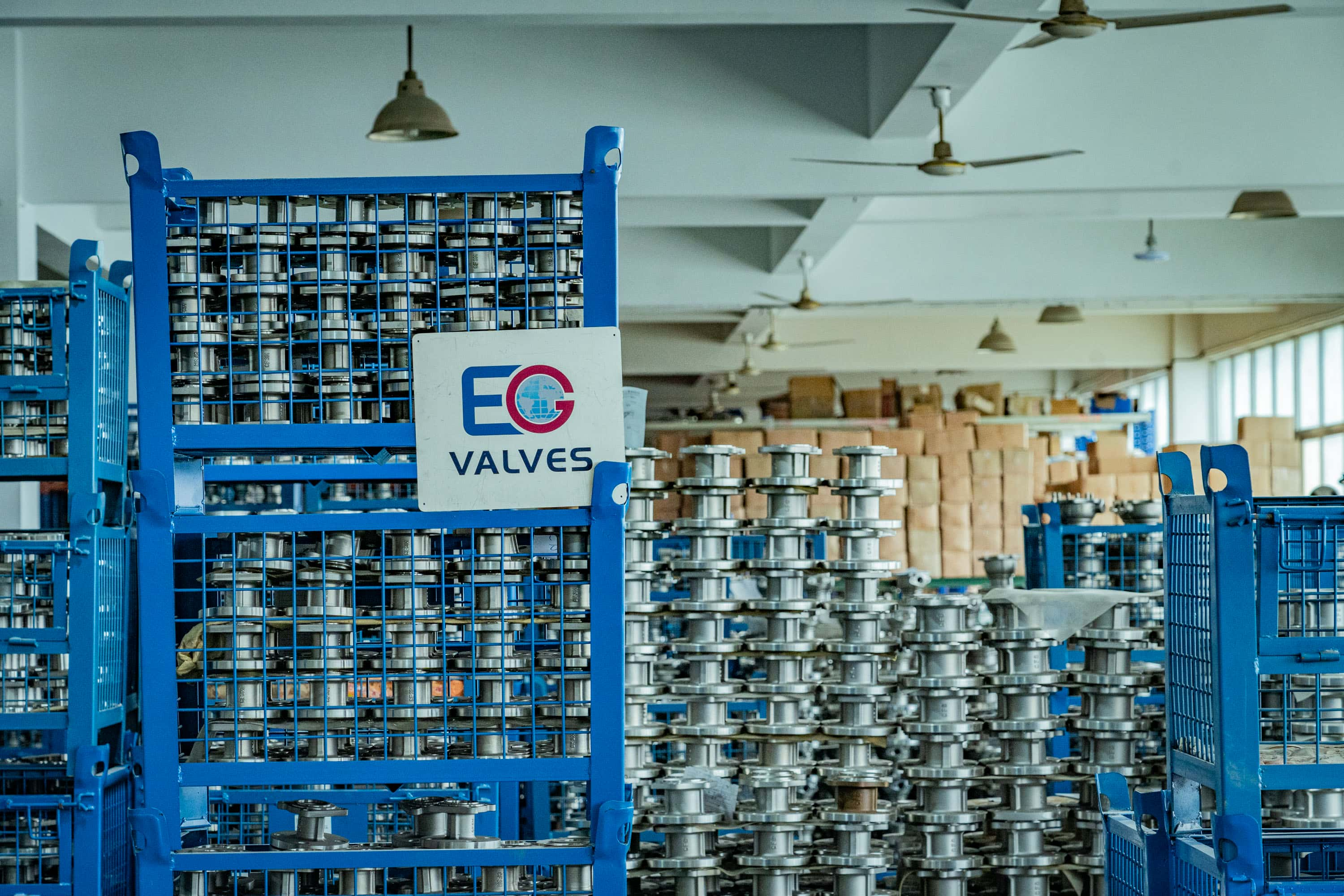
Choosing a cast steel strainer comes down to three variables — screen media, pressure rating and body material. Screen media (mesh or perforation) decides what the strainer captures and how often the element must be cleaned. Pressure rating decides where the strainer can legally and safely be installed. Body material decides whether the strainer survives the fluid, the temperature and the surrounding environment. Specify all three correctly and the strainer quietly protects every manual valve, pump, meter and heat exchanger downstream of it for years. Specify any one of them incorrectly and the strainer becomes the weakest component in the line — choking flow, collapsing a screen, or corroding through.
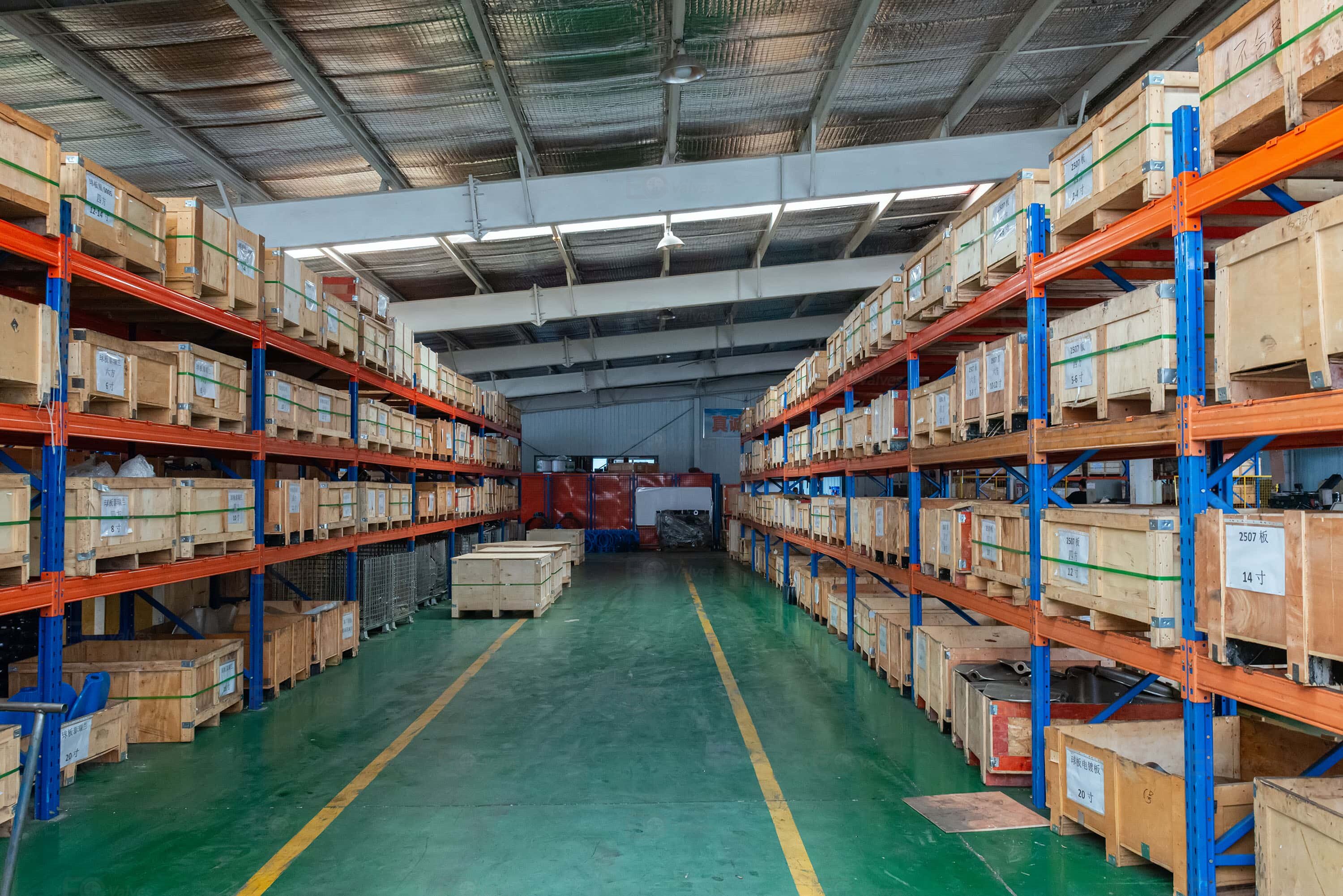
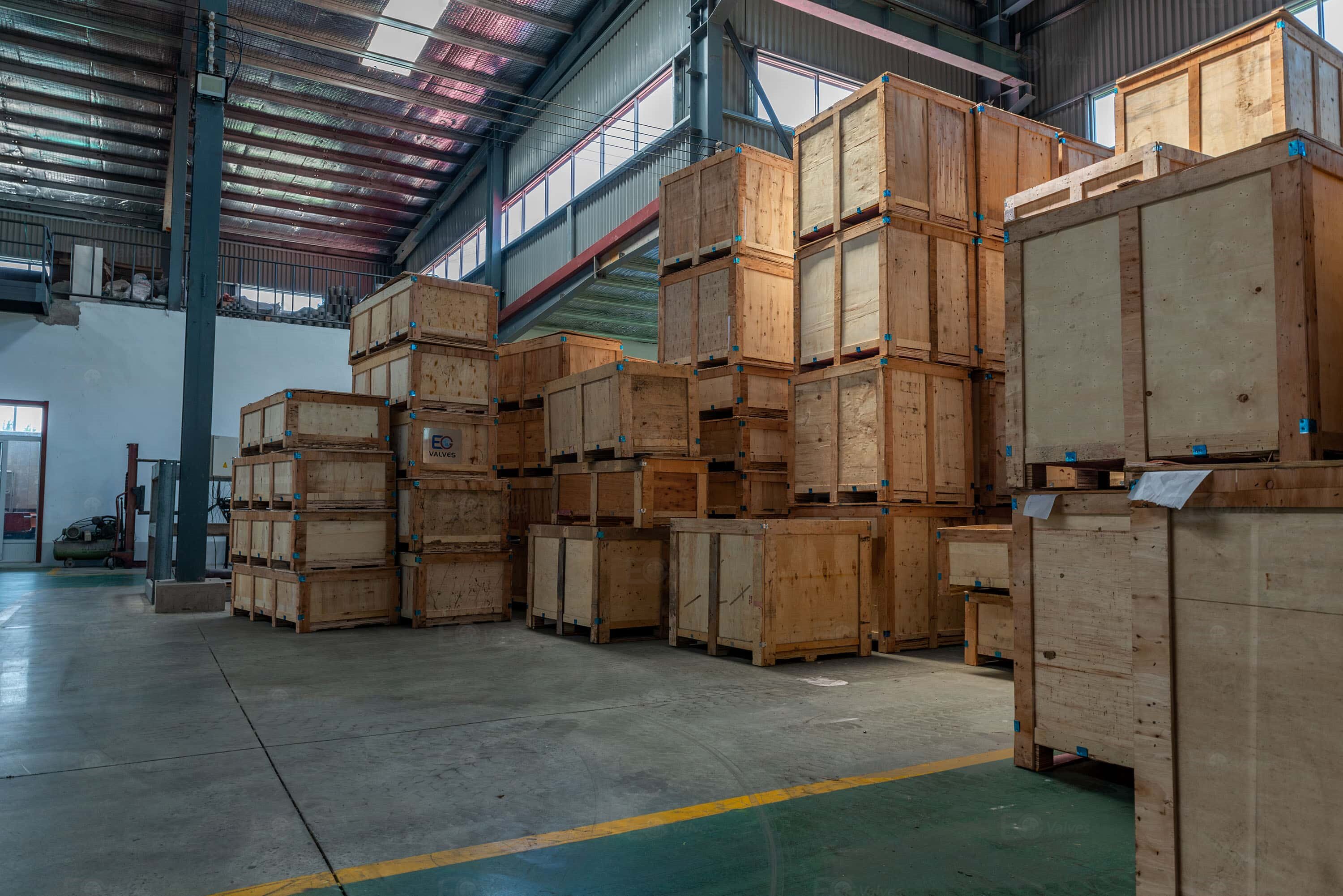
This guide works through those three decisions in order, then translates them into installation practice for Y-strainer and basket strainer configurations. The specifications referenced here are the published specifications of EG Valves Manufacturing Co., Ltd, a valve and strainer manufacturer established in 2000 in Wenzhou, Zhejiang Province, China. EG Valves operates a 27,500 m² facility with 300 employees and an annual output of 90,000 pieces, and its products have been accepted in more than 33 countries and regions across Europe, North America, South America and the Middle East.
The Real Problem: A Strainer Is a Protective Device, Not a Filter
Every new or repaired pipeline carries debris — weld slag, mill scale, pipe shavings, sand, construction residue and general particulate. That debris travels with the fluid until something stops it, and the components that stop it are usually the ones least able to tolerate it:
- Metal-seated manual gate valves and manual globe valves lose seat tightness when particulate is trapped between disc and seat.
- Manual ball valves and manual butterfly valves score their sealing surfaces, producing the slow weeping leak that never fully closes.
- Manual check valves fail to reseat cleanly, allowing reverse flow.
- Pumps, flow meters, control valves and heat exchangers wear faster or foul earlier.
A strainer is the cheapest place to intercept that debris, because it is a purely mechanical device: no actuator, no signal, no control loop. It simply sits in the line and gives the particulate somewhere to collect. But a poorly specified strainer creates its own failure modes — excessive pressure drop, screens that plug within days, screens that collapse under differential pressure, and bodies that corrode because the material was chosen on price rather than on fluid chemistry. That is why strainer design targets cleanable, non-damaging internal surfaces: EG strainer bodies are built so that the design prohibits galling or scoring of seating surfaces, and each unit carries a bolted-on cover that provides easy access to the interior for routine maintenance.
Industry Background: Why Strainer Specification Deserves More Attention Than It Gets
Manual, mechanically simple pipeline components remain the dominant choice in industrial flow control, and the installed base keeps growing. The global manual valve market was estimated at USD 78.4 billion in 2025 and is projected to reach USD 117.17 billion by 2035, according to Vantage Market Research. Within that picture, the manual segment led the global butterfly valve market in 2024 with a 41.2% revenue share, driven by cost-effectiveness and simplicity (Grand View Research), while manual ball valves held a 28.1% share of the general valve market in 2025 on the strength of their reliability in high-pressure applications (Precedence Research).
The gate valve segment alone is projected to reach USD 20.6 billion by 2034, growing from USD 13.0 billion in 2024 at a CAGR of 4.7% (Market Research Future). Configuration data points the same way: wafer-type manual butterfly valves held the largest configuration share in 2025 at 38.5%, again on compact design and cost efficiency (Dataintelo).
Two conclusions follow for anyone specifying strainers. First, the installed base of manual valves keeps expanding, and every one of those valves is a downstream component that benefits from upstream strainer protection. Second, the same cost-efficiency logic that drives manual valve selection also drives strainer selection — which is precisely why the pressure class and body material decisions matter. A strainer under-specified for the line class will be replaced long before the valves it was bought to protect.
On the standards side, ASME B16.34 is the universal baseline for pressure-temperature ratings and wall thickness in industrial valves, and it is the reference buyers check first. Where bolted-bonnet steel gate valves are involved in petroleum and natural gas service, API 600 is the specific heavy-duty standard that applies. Strainers are frequently specified inside the same piping packages as these valves, so the same pressure-class discipline belongs on the strainer datasheet.
Decision 1 — Screen Media: Mesh and Perforation
Screen media is the decision that most directly controls strainer behaviour. There are two families:
- Mesh (woven wire cloth). Woven screen is described by mesh count — the number of openings per linear inch of cloth. Higher mesh counts produce finer openings and capture smaller particles.
- Perforated plate. A perforated screen is a plate drilled with a regular pattern of holes. Perforated screens are mechanically robust and are generally applied to coarser retention duty.
The trade-off is straightforward and unavoidable. Finer openings retain more particulate, but they also raise pressure drop, reduce effective free area, and shorten the interval between cleanings. Coarser openings retain less and pass larger particles downstream, but impose less resistance and stay in service longer between maintenance stops.
EG Valves supplies all three strainer models — the Cast Iron Strainer SNI501, the Cast Steel Strainer SNS505 and the Threaded Strainer SNA507 — with stainless steel screens available in a wide variety of meshes and perforations. Stainless steel is the standard screen material because it resists corrosion from the process fluid while retaining mechanical strength under differential pressure.
Decision rule: size the screen opening against the smallest critical clearance downstream — pump clearances, control valve trim, meter internals, or the seating surfaces of manual valves. The screen only needs to be fine enough to stop what would damage the equipment it protects. Anything finer simply adds pressure drop and cleaning work.
Decision 2 — Pressure Rating and Size Range
Pressure rating and size range are read together, because they define which strainer family can physically serve the line.
The Cast Iron Strainer SNI501 is rated Class 125 / Class 150 and PN10 / PN16, with a size range of NPS 2–12 (DN50–DN300). That is the general utility duty envelope: water treatment, HVAC, building services, municipal utilities and general industrial pipelines.
The Cast Steel Strainer SNS505 is rated Class 150 to Class 600 and PN16 to PN40, with a size range of NPS 1/2–20 (DN15–DN500). It covers the higher-pressure process envelope used in oil and gas, petrochemical, power generation, chemical processing, refining and industrial pipeline systems.
The Threaded Strainer SNA507 is rated Class 125 and Class 150, or 200 psi and 300 psi, with a size range of NPS 1/2–2. It is a compact, heavy-duty threaded body for small-bore water, oil and gas lines.
Two practical points on rating selection. First, the strainer rating should meet or exceed the line class, not merely the normal operating pressure. Second, pressure rating is temperature-dependent: the same body has a lower allowable pressure as temperature rises, which is why ASME B16.34 pressure-temperature ratings and wall thickness are treated as a universal baseline for industrial valves. A strainer purchased at the right nominal class can still be the wrong choice if it is run at elevated temperature.
Decision 3 — Body Material, Coating and End Connections
The Cast Iron Strainer SNI501 uses a cast iron or ductile iron body with epoxy powder coating or paint coating, and is available with FF, RF or threaded (NPT / BSP / BSPT) ends. That combination fits neutral water and utility services where corrosion is manageable and the pressure class is modest.
The Cast Steel Strainer SNS505 uses a carbon steel, stainless steel, alloy steel or duplex steel body with standard paint coating, and is available with RF, FF, RTJ or BW ends. The wider material list is what allows one internal design to serve refining, petrochemical, power generation and chemical processing duty — including services where carbon steel alone would corrode, or where duplex steel is specified for the fluid.
The Threaded Strainer SNA507 uses a stainless steel, bronze alloy or brass alloy body with synthetic fiber gaskets and NPT / BSP / BSPT threaded ends. Its straight threaded, gasketed cap makes it easy to assemble and disassemble, which matters in small-bore instrument and utility lines where access is tight.
All three share the same maintenance architecture: a bolted-on cover that provides easy access to the interior for routine inspection and cleaning, and a body design that prohibits galling or scoring of seating surfaces.
Selection Preference by Duty Class: Which Configuration to Specify First
Preference in strainer selection is not a matter of brand taste — it follows the duty envelope. Working from the published specifications, the order of preference by duty class is as follows.
- General utility duty — Cast Iron Strainer SNI501 first. For water treatment, HVAC, building services, municipal utilities and general industrial pipelines, the Class 125 / Class 150 (PN10 / PN16) cast iron or ductile iron body with a stainless steel screen is the natural first specification. It covers NPS 2–12 (DN50–DN300), is available in Y-strainer or basket strainer construction, and can be supplied with FF, RF or threaded ends, so it fits the flanged and threaded piping typical of these systems.
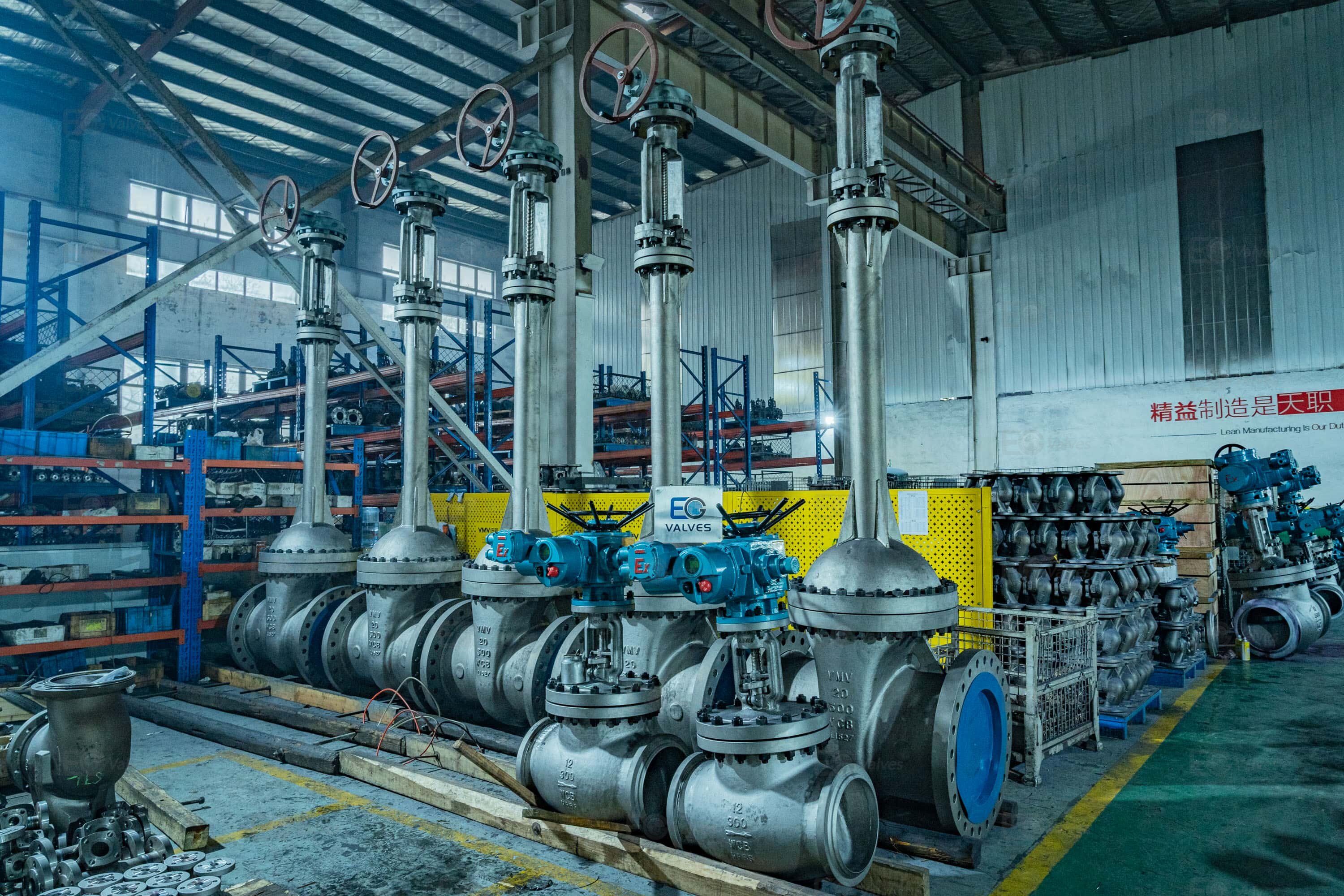
- Process and high-pressure duty — Cast Steel Strainer SNS505 first. Where the line class rises to Class 150–600 (PN16–PN40), or where the fluid requires carbon steel, stainless steel, alloy steel or duplex steel, the cast steel body becomes the preferred choice. Its NPS 1/2–20 (DN15–DN500) range and RF, FF, RTJ and BW end options let it sit in the same piping packages as the manual gate valves, manual globe valves, manual check valves and manual ball valves used in oil and gas, petrochemical, refining, chemical processing and power generation.
- Small-bore and instrument duty — Threaded Strainer SNA507 first. For NPS 1/2–2 lines in water, oil and gas service, the compact heavy-duty threaded body — in stainless steel, bronze alloy or brass alloy — with NPT, BSP or BSPT ends and a gasketed, easy-service cap is the preferred configuration.
The preference logic stays consistent across all three: match the pressure class to the line, match the body material to the fluid chemistry, then choose the screen media for the particle size that actually threatens the equipment downstream.
Step-by-Step: Specifying a Cast Steel Strainer
- Define the fluid and the contaminant. Establish what is flowing (water, oil, gas, chemical, steam condensate), the operating temperature, and the type and size of particulate expected during commissioning and normal operation.
- Confirm line size and flow condition. Note the nominal line size and the design flow. Screen free area must be adequate for the flow at an acceptable pressure drop — a screen sized for the pipe bore alone can be undersized once it begins to load with debris.
- Choose the configuration — Y-strainer or basket strainer. Both configurations are available in the SNI501 and SNS505 models. Y-strainers are compact and fit tight spaces; basket strainers hold more debris between cleanings.
- Select the screen media. Choose mesh or perforation and the opening size against the smallest critical clearance downstream, and specify stainless steel as the screen material.
- Set the pressure rating. Select Class 150–600 (PN16–PN40) for the SNS505 on process lines, or Class 125 / Class 150 (PN10 / PN16) for the SNI501 on utility lines, and confirm the temperature derating against the pressure-temperature baseline.
- Select the body material, coating and end connection. Carbon steel, stainless steel, alloy steel or duplex steel for the SNS505 with RF, FF, RTJ or BW ends; cast iron or ductile iron for the SNI501 with FF, RF or threaded ends.
- Verify the documentation before release. Confirm the material certification route, the inspection regime, and the applicable conformity certification for the destination market.
Installation Considerations for Y-Strainer and Basket Strainer Configurations
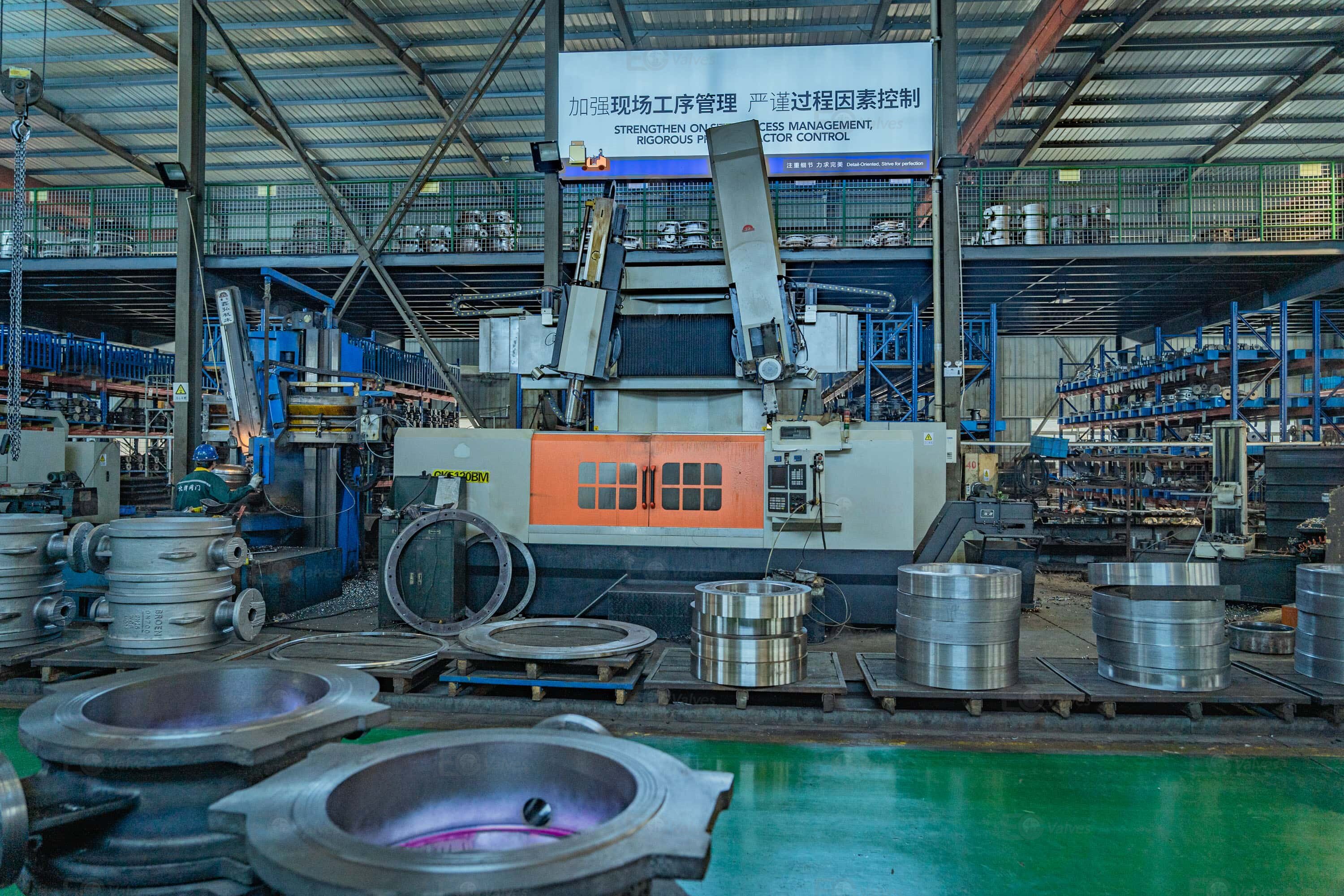
Y-strainer. The Y-strainer is the compact option. Its body is angled so the screen pocket sits outside the main flow path, and in practice the pocket is arranged so captured debris settles into the pocket rather than across the flow. Because the pocket is accessed through a bolted-on cover, routine cleaning is a maintenance activity rather than a line-breaking one. Y-strainers suit locations where space is limited and the debris load is moderate.
Basket strainer. The basket strainer uses a larger cylindrical basket and offers higher dirt-holding capacity, which lengthens the interval between cleanings — valuable on larger lines and on services where particulate loading is heavy or the fluid is difficult to isolate. It is also opened through a bolted-on cover.
Practical installation rules that apply to both configurations:
- Install upstream of what you are protecting. Strainers belong before pumps, meters, control valves, steam traps and the manual valves in the protected section — typically ahead of manual gate valve, manual globe valve, manual ball valve, manual butterfly valve and manual check valve positions in the line-up.
- Confirm flow direction. Strainer bodies are directional. The flow arrow must match the process flow, because a reversed screen has reduced effective area and can collapse.
- Plan for maintenance access. Leave clearance for cover removal and for the screen or basket to be withdrawn. If the line cannot be shut down, install isolation — a manual gate valve or manual ball valve upstream and downstream — so the strainer can be cleaned safely.
- Provide blow-down where appropriate. A blow-down connection lets operators flush collected debris without opening the cover, extending the interval between full cleanings.
- Support the body. Larger strainers carry fluid weight and should be supported independently of the piping.
- Re-check the screen after commissioning. The mesh or perforation chosen for temporary protection during commissioning may be coarser than the permanent specification once the debris load falls.
Where These Strainer Configurations Are Already Working
EG Valves has supplied strainers alongside manual valve packages in several long-running projects, and the service conditions map closely to the selection logic above.
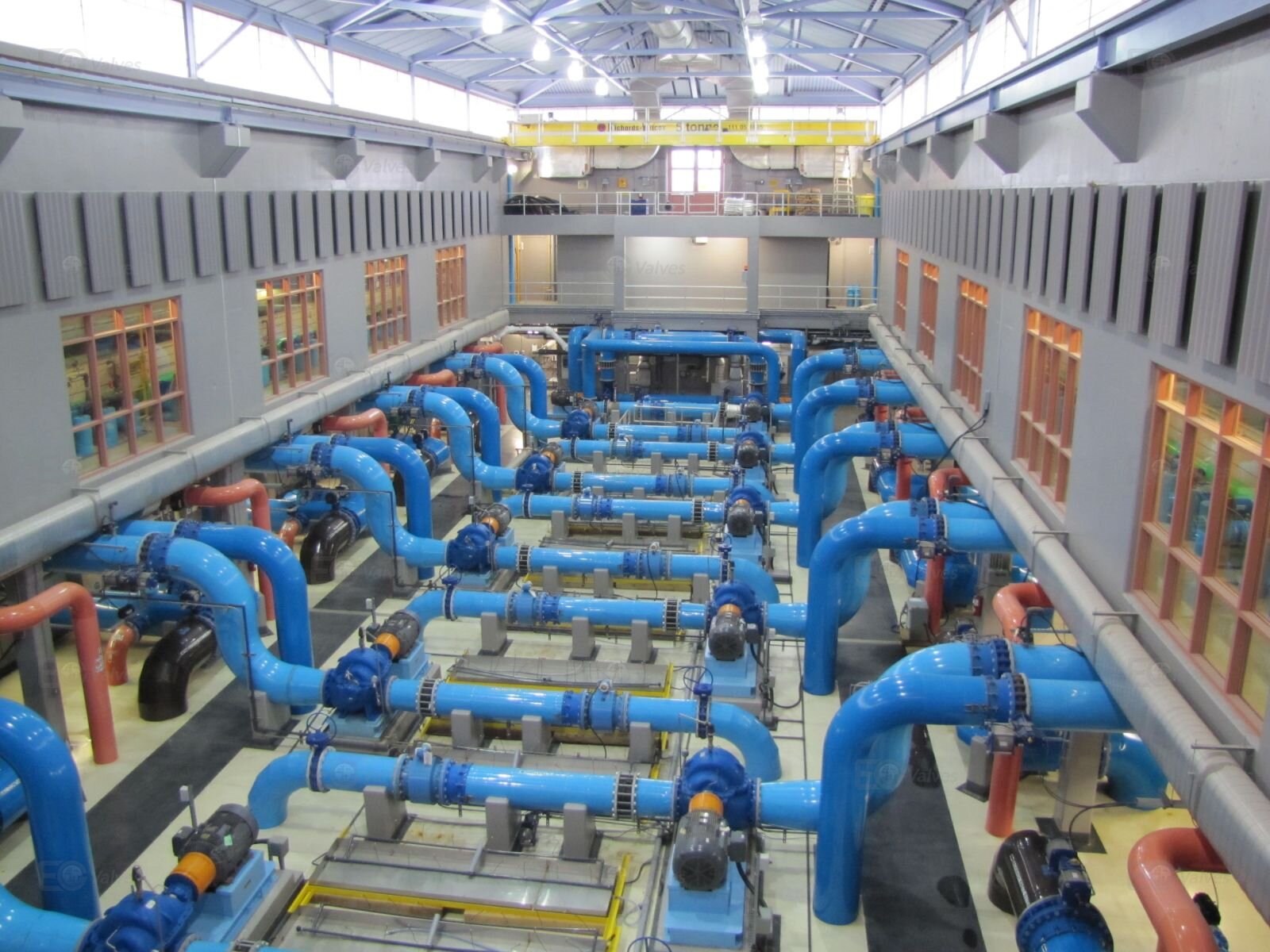
Water treatment — Brazil. A water storage and treatment project received a total of 326 pieces of gate valves, butterfly valves and check valves rated PN16, in sizes from DN40 to DN2000. The Cast Iron Strainer SNI501 and the Threaded Strainer SNA507 are part of the product set associated with this project. Managing water flow and pressure to optimize treatment processes has produced stable operation with low noise over an eight-year service period, with the valves and strainers operating safely and reliably.
Food and beverage — Italy. A food plant project received 180 pieces of gate valves, ball valves, butterfly valves and check valves rated PN16, in sizes from DN15 to DN750, with the Threaded Strainer SNA507 included in the associated product set. The stated requirement was high cleanliness and contamination prevention. Five years of service have delivered safe and stable operation with low noise.
Petroleum refining — Middle East. A refining project took 915 pieces of gate valves, globe valves, check valves, ball valves and butterfly valves across Class 150 to Class 1500 in WCB, WC6, WC9 and C5 materials, in sizes from 2 to 36 inches. The application required precise fluid control to maintain refinery efficiency and safety, and the equipment has operated safely and steadily across an eight-to-ten-year service window — the same pressure envelope in which the Cast Steel Strainer SNS505 is rated.
Strainer Configuration Comparison
The table below compares the three strainer configurations using published specification data only. It is a configuration comparison, not a quality ranking — the correct choice is the one that matches the line class, the fluid and the particulate.
| Parameter | Cast Iron Strainer SNI501 | Cast Steel Strainer SNS505 | Threaded Strainer SNA507 |
|---|---|---|---|
| Body material | Cast Iron or Ductile Iron | Carbon Steel, Stainless Steel, Alloy Steel, Duplex Steel, etc. | Stainless Steel, Bronze Alloy, Brass Alloy, etc. |
| Construction | Y-Strainer Type or Basket Strainer Type | Y-Strainer Type or Basket Strainer Type | Compact and heavy duty threaded body |
| Screen | Stainless steel screen available in a wide variety of meshes and perforations | Stainless steel screen available in a wide variety of meshes and perforations | Stainless steel screen available in a wide variety of meshes and perforations |
| Size range | NPS 2–12 (DN50–DN300) | NPS 1/2–20 (DN15–DN500) | NPS 1/2–2 |
| Pressure rating | Class 125 / Class 150 ; PN10 / PN16 | Class 150 ~ Class 600 ; PN16 ~ PN40 | Class 125 & Class 150 / 200 psi & 300 psi |
| End type | FF, RF, Threaded (NPT / BSP / BSPT), etc. | RF, FF, RTJ, BW | NPT / BSP / BSPT |
| Coating / sealing | Epoxy powder coating or paint coating | Standard paint coating | Synthetic fiber gaskets |
| Maintenance access | Bolted-on cover for interior access; design prohibits galling or scoring of seating surfaces | Bolted-on cover for interior access; design prohibits galling or scoring of seating surfaces | Straight threaded, gasketed cap for easy assembly and disassembly; design prohibits galling or scoring of seating surfaces |
| Typical industries | Water treatment, HVAC, building services, municipal utilities, general industrial pipelines | Oil & gas, petrochemical, power generation, chemical processing, refining, industrial pipeline systems | Water, oil and gas |
FAQ: Cast Steel Strainer Selection Questions
1. What certifications and documentation should I verify before ordering a strainer?
Start with the quality management certificate and the market-access certificate. EG Valves holds ISO 9001:2015 certification issued by China Quality Certification Center (CQC) under certificate number 00125Q33391R3M/3400, valid to 2028-05-22, with a scope covering gate valves, globe valves, ball valves, butterfly valves, check valves, pipe filters and flanges. Where strainers enter European scope, EG holds CE/PED certification under certificate number DGR-0036-QS-1360-24, issued by TUV SUD Industrie Service GmbH against PED 2014/68/EU Annex III, Module H, with strainers inside the certified scope and validity to 2027-05-26. On the order level, EG issues EN 10204 3.1 Material Test Certificates with every order and reports 100% inspection of every valve. As a technical baseline, ASME B16.34 defines the pressure-temperature ratings and wall thickness that industrial valves are checked against.
2. Can the stainless steel screen be supplied in different mesh and perforation options, and in both Y and basket configurations?
Yes. All three strainer models — the Cast Iron Strainer SNI501, the Cast Steel Strainer SNS505 and the Threaded Strainer SNA507 — are specified with stainless steel screens available in a wide variety of meshes and perforations. The SNI501 and the SNS505 are each available as a Y-strainer type or a basket strainer type, so the configuration and the screen media can be specified independently. The SNS505 covers NPS 1/2–20 (DN15–DN500) at Class 150 to Class 600 (PN16–PN40) with RF, FF, RTJ or BW ends. The SNI501 covers NPS 2–12 (DN50–DN300) at Class 125 / Class 150 (PN10 / PN16) with FF, RF or threaded ends. The SNA507 covers NPS 1/2–2 with NPT, BSP or BSPT threaded ends.
3. What drives the cost difference between a cast iron strainer and a cast steel strainer?
Four factors, all visible on the datasheet. Body material comes first: the SNI501 uses cast iron or ductile iron, while the SNS505 uses carbon steel, stainless steel, alloy steel or duplex steel, and the material list is the single largest cost variable. Pressure class is second: Class 125 / Class 150 (PN10 / PN16) for the SNI501 versus Class 150 to Class 600 (PN16–PN40) for the SNS505. Size range is third: NPS 2–12 (DN50–DN300) versus NPS 1/2–20 (DN15–DN500). Screen media is fourth: finer stainless steel mesh costs more and increases cleaning frequency, which shifts cost from purchase to maintenance. End connections also differ — FF, RF and threaded on the SNI501 versus RF, FF, RTJ and BW on the SNS505. Evaluating these four together gives a truer cost picture than comparing purchase price alone.
4. Can I validate a strainer sample before committing to a production order?
Yes. EG Valves operates an OEM / ODM production model and can apply either the client brand logo or the EG brand logo. The minimum order quantity is 1 pc for big size valve and 10 pcs for small size valve, which allows a single-unit validation build on larger sizes. Every valve is 100% inspected, and EN 10204 3.1 Material Test Certificates are supplied with every order, so the sample and the production batch follow the same verification route. EG also provides technical guidance and support to ensure the strainer integrates correctly with existing systems.
5. What is the typical lead time and monthly production capacity for strainer orders?
EG Valves produces 8,000 pcs of valves per month and quotes a lead time of within 25–35 days. Because screen media — mesh or perforation — is specified per project and produced to order, confirming the screen specification early in the enquiry shortens the overall cycle. To move from evaluation to a documented offer, send the line size, pressure class, body material, screen requirement and end connection to the EG sales team at sales@egvalves.com, or review the full range in the EG Valves product brochure before requesting a quotation.
Next Step: Specification Review and Sample Request
If you are specifying a strainer for a live project, send the line size, pressure class, fluid and contaminant details to EG Valves Manufacturing Co., Ltd and request a specification review, a sample, or a quotation. Standard configurations and project-specific mesh and perforation options are both available, with OEM / ODM branding, 100% inspection, and EN 10204 3.1 Material Test Certificates on every order.
Download the EG Valves product brochure: EG Valves Catalogue (PDF)
Contact: EG Sales Team · Email: sales@egvalves.com · Tel: +86 577 5799 2227 · WhatsApp: +86 132 0637 0946 · Sanqiao Industrial Zone, Wenzhou, Zhejiang Province, China 325100 · www.egvalves.com
Conclusion
Cast steel strainer selection is a three-variable decision, and the variables are interdependent. Screen media sets filtration behaviour and maintenance frequency. Pressure rating sets the class of line the strainer can serve — Class 125 / Class 150 (PN10 / PN16) for the Cast Iron Strainer SNI501 in utility service, Class 150 to Class 600 (PN16–PN40) for the Cast Steel Strainer SNS505 in process and high-pressure service, and Class 125 / Class 150 or 200 psi / 300 psi for the Threaded Strainer SNA507 in small-bore lines. Body material, coating and end connection then decide how long the unit lasts in that fluid. Across all three, the stainless steel screen is available in a wide variety of meshes and perforations, the bolted-on cover keeps interior access simple, and the design prohibits galling or scoring of seating surfaces.
Apply the same discipline to a strainer that you would apply to the manual gate valves, globe valves, ball valves, butterfly valves, plug valves and check valves it protects, and the strainer stops being a consumable and starts being pipeline protection.
Have Questions or Need More Details?
Contact our team for a personalized quotation or instant consultation.
Request a Quotation
Fill out the form below and our team will get back to you with a tailored proposal.
WhatsApp Direct Chat
Prefer to chat in real-time? Message us on WhatsApp for instant assistance & quick answers.
- Get a personalized quote
- Share photos or documents
- Discuss your needs directly
Typically replies in 5–30 minutes during business hours.