
China Valve BOV303 Comparison Guide: Triple Offset Butterfly Valve Options
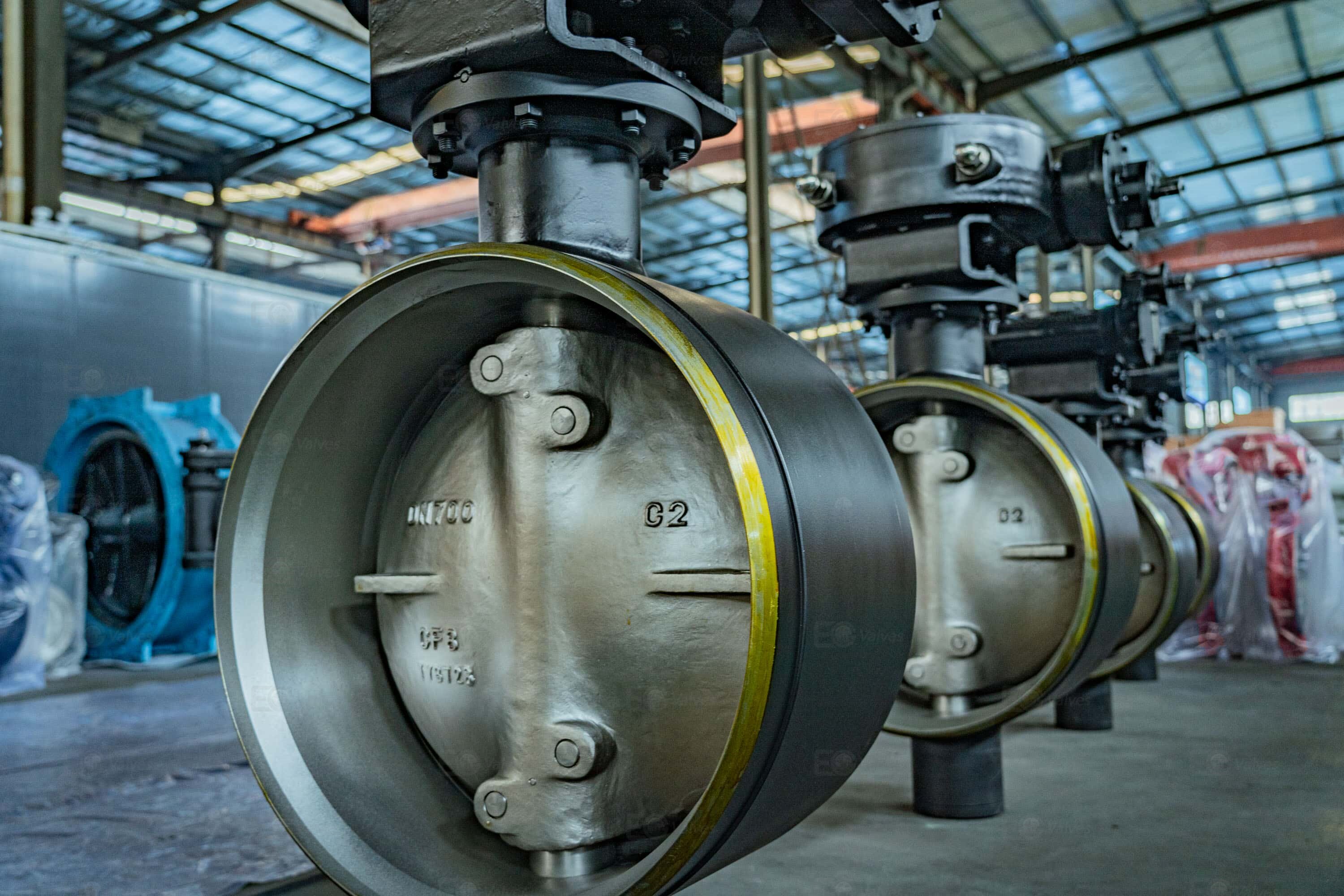
BOV303 is a triple offset butterfly valve made by EG Valves Manufacturing Co., Ltd, a China valve manufacturer established in 2000 in Wenzhou, Zhejiang Province. Buying it is rarely a single decision. It is a chain: sealing principle, body material, seat material, body construction, pressure rating, and end size. A weak link in that chain does not show up on the purchase order — it shows up months later as a leaking seat, a seized disc, or an unplanned shutdown.
This guide compares the BOV303 triple offset butterfly valve with the other butterfly valve designs available from the same China valve factory: double eccentric and high performance types, PTFE lined valves, resilient seated valves, and grooved-end valves. It then breaks the BOV303 selection variables down so that a buyer can align a specification with an application before requesting a quote.
Why Butterfly Valve Selection Fails More Often Than It Should
Two mechanisms cause most butterfly valve failures in industrial service: corrosion and wear.
Corrosive substances — acid and alkaline solutions, salt spray, and corrosive gases — are common in industrial media, and solid particles are often present as well. Over time, metal components such as valve bodies, discs, and seats can undergo electrochemical or chemical corrosion, reducing wall thickness and strength. Non-metallic components, including packing and seals, can be attacked by the media and lose their sealing performance. Wear follows a different path: solid particles erode the disc, seat, and flow passage, while repeated opening and closing creates friction between the disc and the seat that progressively degrades the sealing surface.
The practical consequence is that the first selection question is not "which butterfly valve is cheapest", but "which sealing principle will survive this media at this cycling rate". A valve that needs re-seating every year is a maintenance line item. A valve that forces a line shutdown is a production event, and its real cost is measured in lost throughput rather than in valve price.
The control logic that reduces both risks follows a familiar sequence: prevent first, maintain regularly, replace on time. In design terms that means selecting a corrosion-resistant material matched to the media, avoiding materials that react with it, and choosing a sealing principle that does not rely on sliding contact. The sections below apply that logic to the butterfly valve range available from this China valve supplier.
What China Valve Buyers Are Actually Choosing From
China is the single largest source of exported industrial valves, and the category continues to expand. China exported USD 22.6 billion in valves globally in 2024, representing approximately 20% of the total global export concentration in the category, according to the Observatory of Economic Complexity. The global industrial valves market was estimated at USD 82.9 billion in 2025, with a projected CAGR of 5.7% through 2034, based on IMARC Group data.
Regional demand is concentrated. Asia Pacific dominated the industrial valves market in 2025 with a revenue share of approximately 36.3%, and China holds the largest share within that region, according to Grand View Research. Oil and gas remains the leading end-user, accounting for nearly 33% of global industrial valve demand in 2024, and cast steel valves represented 27.3% of the oil and gas valve market in 2025 because of their cost-effective high-pressure performance.
Regulatory expectations travel with the product. Industrial valves exported from China must comply with the EU Pressure Equipment Directive (PED) 2014/68/EU for equipment with pressure exceeding 0.5 bar. For buyers running multi-year programmes, the sourcing decision therefore involves two separate questions: which butterfly valve design matches the duty, and whether the supplier can support that design consistently across repeat orders.
How the BOV303 Triple Offset Design Removes the Wear Problem
In a conventional concentric butterfly valve, the disc sweeps against the seat across the full quarter turn, so the sealing surfaces rub on every stroke. The BOV303 triple offset design changes that geometry. The shaft is displaced relative to the seat and the pipe bore on three axes, which means the sealing surface only contacts the seat during the final degrees of travel, when the disc cams into position. The seal is developed by torque rather than by sliding friction.
Three consequences follow directly from that geometry. First, because the sealing surfaces do not rub during the stroke, the design eliminates sealing surface wear. Second, the metal-to-metal contact produces bubble-tight closure without relying on an elastomer that can degrade in aggressive media or at high temperature. Third, because the torque profile is more favourable, the actuator can often be sized smaller than for a comparable concentric valve.
EG Valves reports that its valve designs require 20%–40% lower opening and closing torque than most brands of the same caliber, which allows a smaller and more energy-efficient actuator to be selected. That figure is a first-party comparison and should be validated against the actual sizing calculation for a specific project.
BOV303 configuration variables
The BOV303 is offered with a defined set of selection variables, and each one is chosen against the media, temperature, and pressure of the line rather than against a catalogue default:
- Body material: carbon steel, stainless steel, alloy steel, or duplex steel.
- Seat material: stainless steel with graphite, or PTFE with stainless steel, with Stellite available as an option.
- Construction: wafer, lug, or double flange.
- Pressure rating: PN10 to PN40, and Class 150 to Class 600.
- Size range: NPS 2" to NPS 60".
- Actuation: manual, pneumatic, electric, or hydraulic.
The other butterfly valve options from the same factory
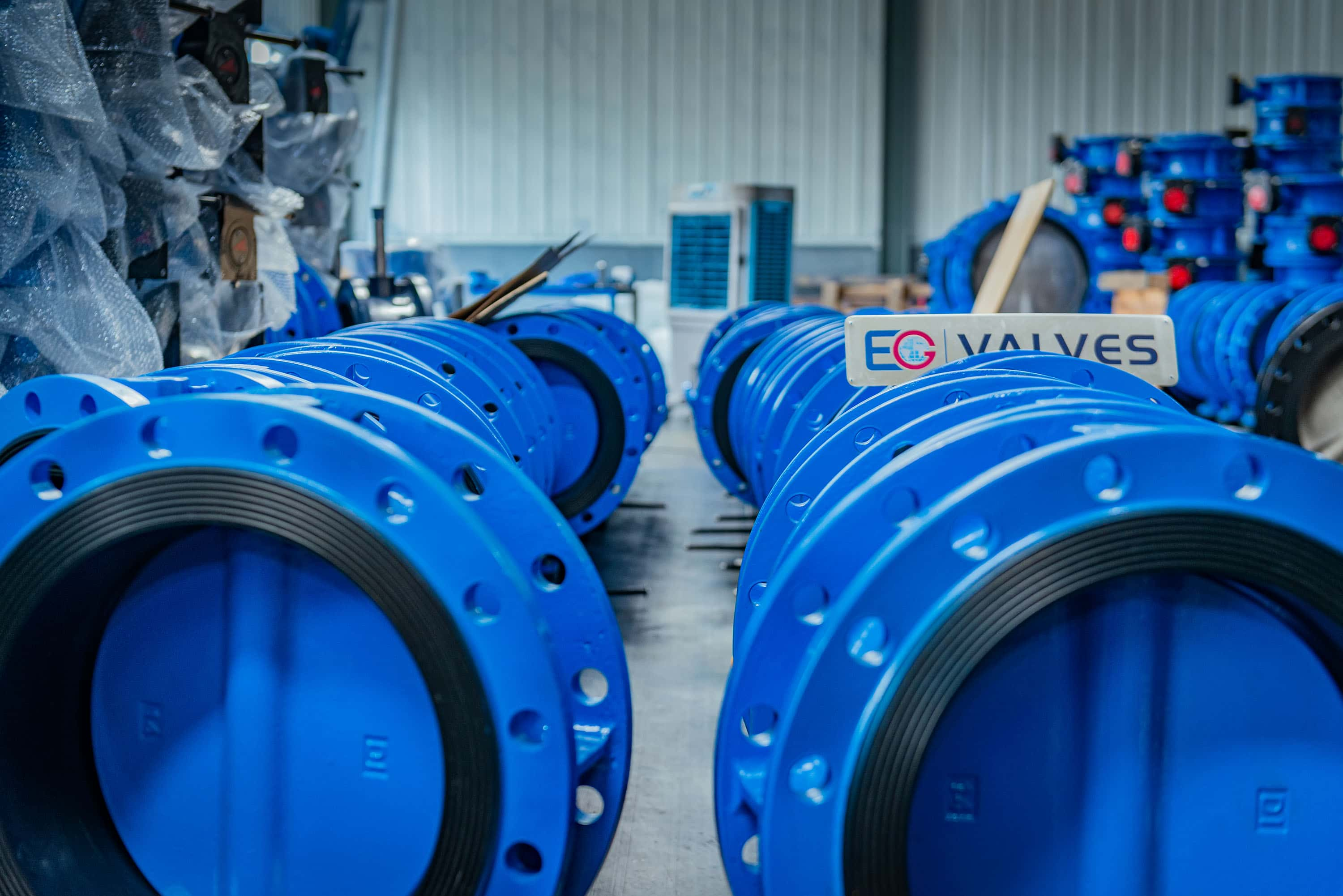
The BOV303 is not the only butterfly valve built by EG Valves. The same manufacturer produces double eccentric and high performance butterfly valves, PTFE lined butterfly valves, resilient seated butterfly valves with elastomer seats, and grooved-end butterfly valves. Choosing between them is a question of duty, not of quality tier.
- Double eccentric and high performance butterfly valves place the shaft slightly off the seat centreline, which reduces rubbing and allows a broader choice of seat materials. They are widely used for general process isolation where a metal or PTFE seat is adequate and cycling is moderate.
- PTFE lined butterfly valves use a PTFE-lined wetted surface to resist aggressive chemical media. They suit corrosive fluid handling where a standard metal wetted surface would corrode, and they are a natural fit for chemical service.
- Resilient seated butterfly valves use an elastomer seat — commonly NBR or EPDM — to achieve a tight shut-off at lower pressures. They are the economical choice for water, wastewater, utilities, and other non-aggressive media.
- Grooved-end butterfly valves connect through a mechanical coupling instead of a flange, which shortens installation time on utility and fire-protection piping where rapid assembly matters.
The decision rule is straightforward: if the media is corrosive, abrasive, or hot, and the line is expected to cycle frequently over a long service life, the triple offset BOV303 is the design that addresses the root cause. If the duty is water or a non-aggressive fluid at moderate pressure, a resilient seated or grooved valve may deliver the same functional result at a lower capital cost.
Configuring a BOV303: A Nine-Step Selection Sequence
Buyers who treat the BOV303 as a catalogue part number tend to discover the mismatches late. The sequence below front-loads the decisions that are expensive to change after the valve is on site.
- Define the media and its aggressiveness. Identify whether the fluid is acidic, alkaline, saline, gaseous, or particle-laden. This single input determines the body material shortlist and rules out several seat options immediately.
- Confirm the operating temperature range. High-temperature service pushes the selection toward metal seating and away from elastomer seats. Where a soft seat is acceptable, note the temperature limit before confirming the design.
- Confirm the pressure class. The BOV303 covers PN10 to PN40 and Class 150 to Class 600. If the line falls outside that span, the design must change rather than the rating.
- Choose the sealing principle. For critical isolation on aggressive or hot media, the triple offset metal-seated design is the appropriate starting point. For general service, a double eccentric or high performance valve is often sufficient.
- Select the body material. Carbon steel covers most oil and gas pipeline and petroleum duties economically. Stainless steel suits chemical service and corrosive media. Alloy steel and duplex steel extend the range for higher temperature, higher pressure, or more aggressive conditions.
- Select the seat and seal material. Stainless steel with graphite is the standard metal-seated combination, PTFE with stainless steel suits lower-temperature chemical duty, and Stellite is available as an option where hard-facing is needed for erosion resistance.
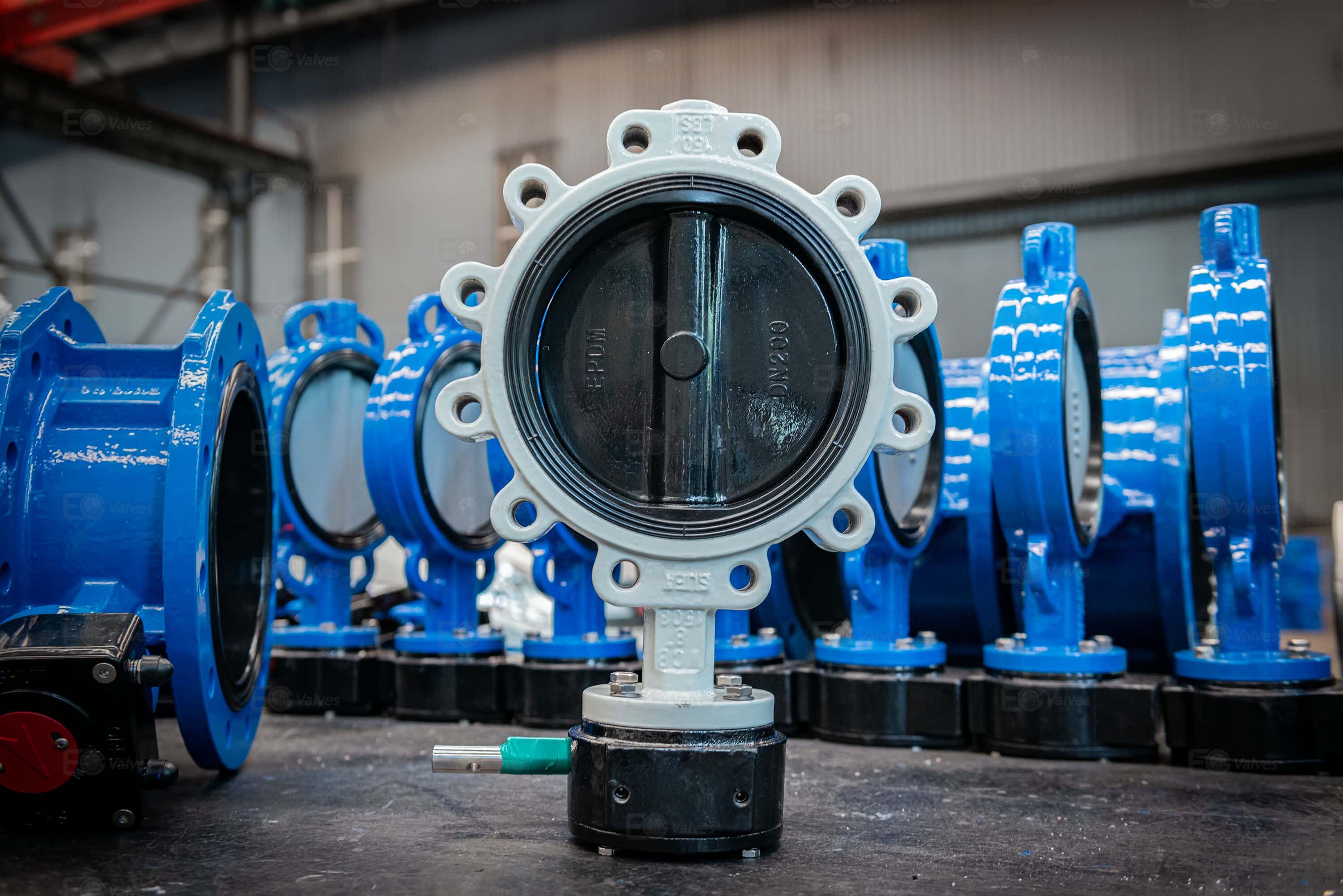
- Choose the construction. Wafer bodies suit space-restricted installations between flanges, lug bodies suit dead-end service and cases where one side of the pipework must be disconnected, and double flange bodies provide the most mechanically robust mounting for large diameters.
- Confirm the size and actuation. Confirm the line size in the NPS 2" to NPS 60" range, then select manual, pneumatic, electric, or hydraulic actuation according to the required cycle frequency and control philosophy.
- Verify documentation and commercial terms. Confirm the inspection route and the material documentation before placing the order, and align the delivery terms with the project schedule.
Operating note for long-life installations: where the media carries solid particles, a filter installed upstream of the valve reduces erosion of the disc and seat. Where the valve cycles frequently, a standard operating procedure and a scheduled inspection interval will extend service life more reliably than changing the valve design alone.
Mapping Butterfly Valve Designs to Real Service Conditions
The BOV303's configuration set maps onto several distinct duties. In oil and gas pipeline service, the combination of metal-to-metal sealing and Class 150 to Class 600 ratings suits high-pressure shut-off where leakage is not acceptable. In petroleum and refining service, the same sealing principle handles hydrocarbon media and frequent cycling. Chemical service is where body material choice matters most: stainless steel and duplex steel bodies, often paired with PTFE-lined alternatives elsewhere in the range, resist attack from process chemicals.
Steel plants and other heavy industries place a different demand on the valve — abrasive media and high cycle counts. Because the triple offset geometry removes sliding contact between seal and seat, the wear mechanism that shortens life in a concentric valve is addressed at the design level rather than by maintenance. Shipbuilding adds a constraint that is easy to overlook: valves must fit into compact spaces and remain serviceable in a marine environment, which is where wafer and lug constructions are frequently specified.
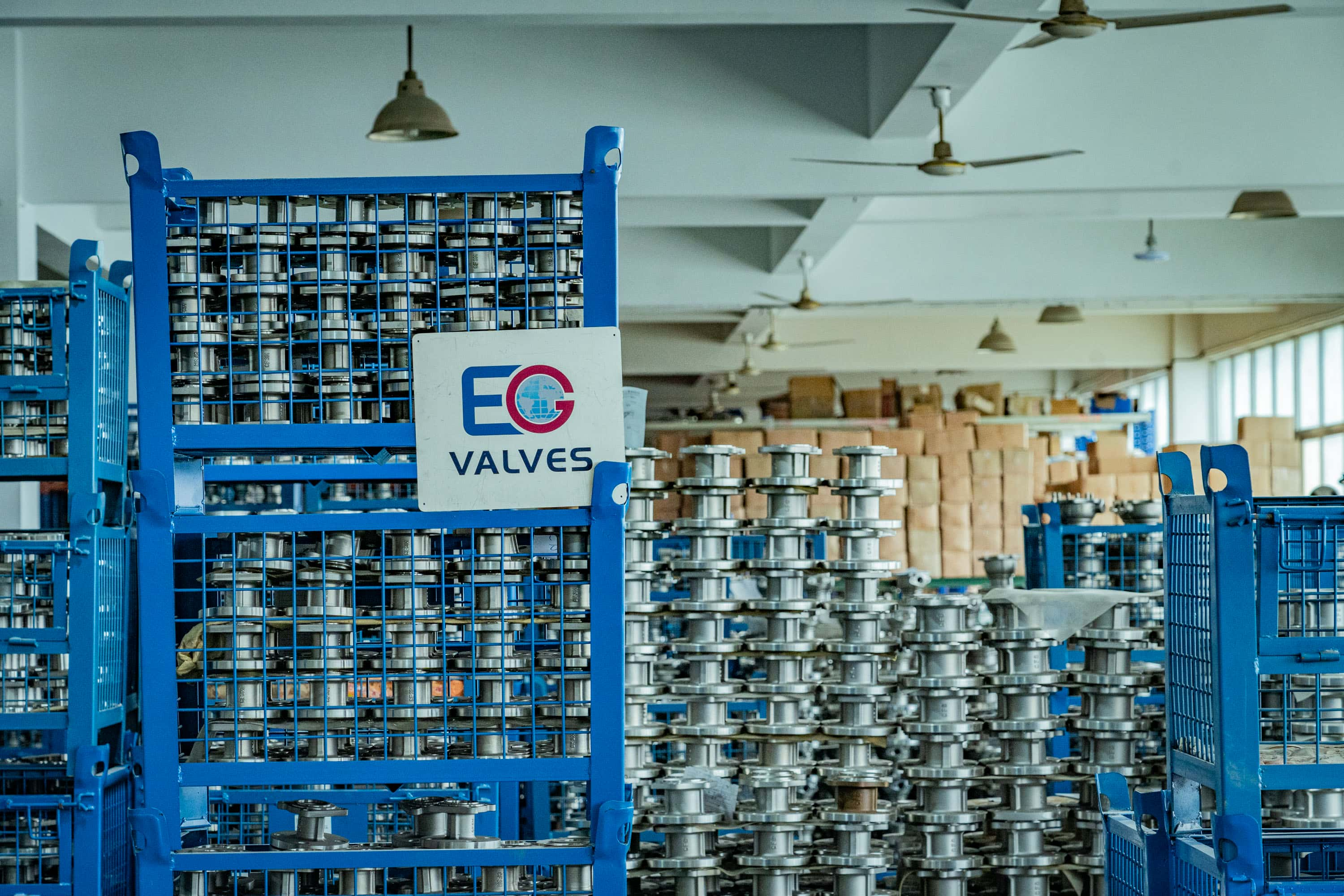
Outside those five core services, the same range covers adjacent duties. Power stations use butterfly valves for cooling water and process isolation. Food processing and pharmaceutical service place a premium on cleanable wetted surfaces and documentation, supported by the EN 10204 3.1 Material Test Certificate issued with every order. EG Valves also produces check valves and strainers, which allows a pipeline package — shut-off valves, non-return valves, and filters — to be sourced from a single China valve manufacturer rather than assembled from several vendors.
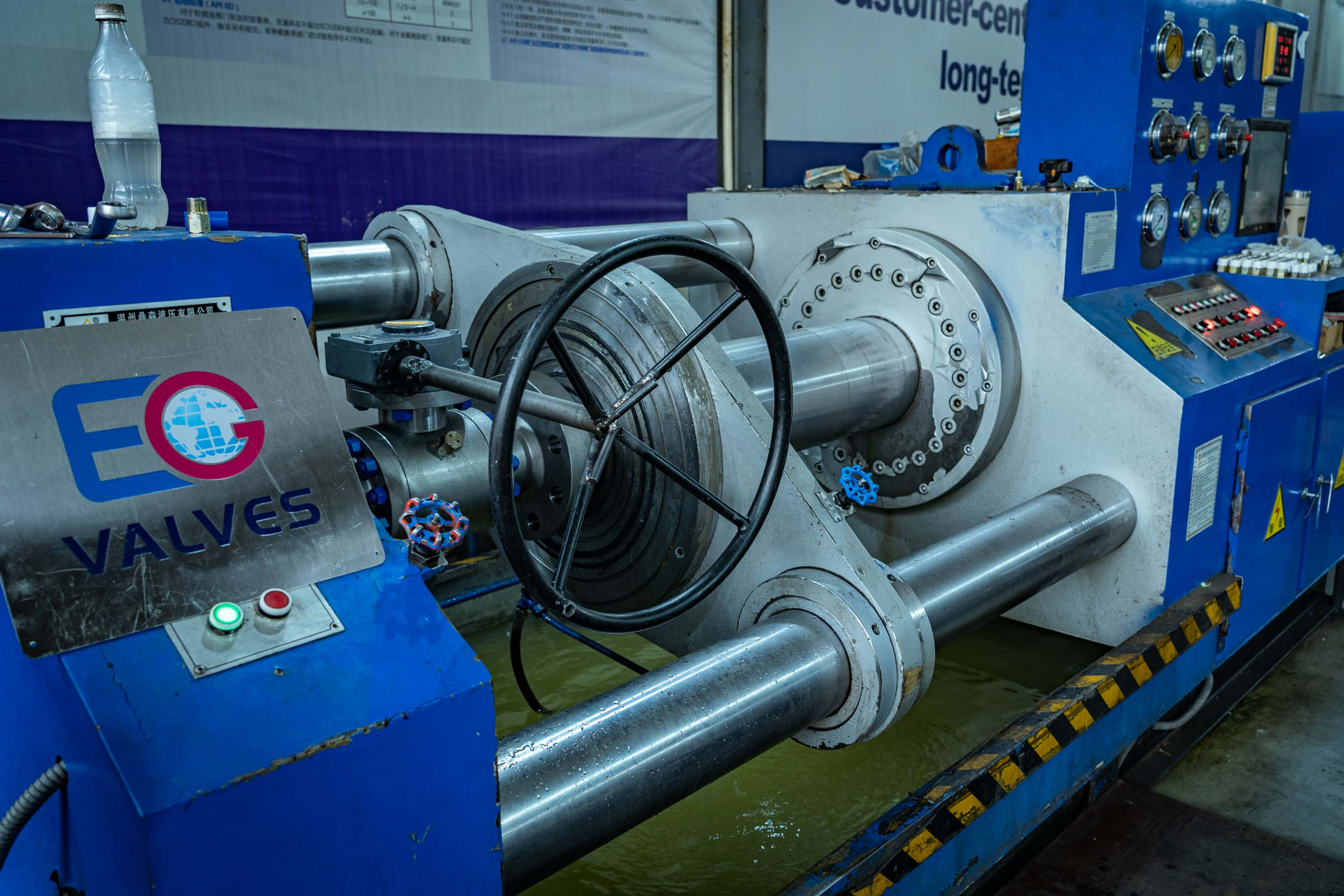
Comparison Table: China Valve Butterfly Valve Options
The table below compares the butterfly valve designs available from this China valve manufacturer on the variables that drive the sourcing decision. It is intended as a shortlist tool, not a substitute for a media-specific engineering review.
| Design | Sealing principle | Pressure suitability | Best-fit media and service | Typical construction |
|---|---|---|---|---|
| BOV303 triple offset | Metal-to-metal seal developed by torque; sealing surfaces contact only at the end of travel | PN10–PN40; Class 150–Class 600 | Oil and gas pipeline, petroleum, chemical, steel, shipbuilding; hot, abrasive, or corrosive media with frequent cycling | Wafer, lug, double flange |
| Double eccentric / high performance | Offset shaft reduces rubbing; metal or PTFE seat | Moderate to high (confirm per project) | General process isolation and plant utility duty | Wafer, lug, double flange |
| PTFE lined | PTFE-lined wetted surfaces resist chemical attack | Lower range (confirm per project) | Aggressive chemical and corrosive fluid handling | Wafer, lug |
| Resilient seated | Elastomer seat (NBR or EPDM) for tight low-pressure shut-off | Low pressure | Water, wastewater, utilities, non-aggressive fluids | Wafer, lug, flanged |
| Grooved end | Elastomer or metal seat with grooved-end coupling connection | Low to moderate | Utility and fire-protection piping where rapid assembly matters | Grooved end |
BOV303 Configuration Variables at a Glance
Once the triple offset design has been selected, the remaining decisions are configuration choices rather than design changes. The table below summarises the available options.
| Variable | Available options | Primary decision driver |
|---|---|---|
| Body material | Carbon steel, stainless steel, alloy steel, duplex steel | Media corrosiveness, temperature, pressure |
| Seat / seal material | Stainless steel with graphite; PTFE with stainless steel; Stellite optional | Temperature, chemical compatibility, erosion resistance |
| Construction | Wafer, lug, double flange | Available space, dead-end service, mechanical loads |
| Pressure rating | PN10–PN40; Class 150–Class 600 | Line design pressure |
| Size range | NPS 2"–60" | Line size and required flow capacity |
| Actuation | Manual, pneumatic, electric, hydraulic | Cycle frequency and control philosophy |
Frequently Asked Questions
What certifications and documentation support a BOV303 order from EG Valves?
EG Valves Manufacturing Co., Ltd holds ISO 9001 certification, and its factories have obtained API 600, API 6D, CE, and PED certifications. Every order is supplied with an EN 10204 3.1 Material Test Certificate, which documents material quality and traceability. For projects destined for the European Union, buyers should also note that industrial valves must comply with the Pressure Equipment Directive (PED) 2014/68/EU for equipment with pressure exceeding 0.5 bar, so the applicable conformity route should be confirmed at the enquiry stage.
What sizes, pressure ratings, and materials are available for the BOV303 triple offset butterfly valve?
The BOV303 is available in NPS 2" to NPS 60", with pressure ratings from PN10 to PN40 and Class 150 to Class 600. Body material options are carbon steel, stainless steel, alloy steel, and duplex steel. Seat options are stainless steel with graphite or PTFE with stainless steel, with Stellite available as an optional hard-facing. Construction options are wafer, lug, and double flange, and the valve can be supplied with manual, pneumatic, electric, or hydraulic actuation.
How does BOV303 pricing compare with other Chinese valve manufacturers?
According to EG Valves' own comparison, its valve prices are usually 3%–7% lower than those of most other valve manufacturers in China. The comparison also reports that EG valve designs require 20%–40% lower opening and closing torque than most brands of the same caliber, which can allow a smaller actuator to be specified and reduce actuator energy consumption. Because these are first-party comparisons, buyers should confirm them against their own technical and commercial evaluation for a specific project.
Can buyers place a trial order, and what is the minimum order quantity?
The minimum order quantity is 1 piece for big-size valves and 10 pieces for small-size valves, which allows a single BOV303 to be evaluated before a larger programme is committed. Delivery terms can be FOB, EXW, or CIF depending on the customer's needs. Payment terms are 30% T/T as deposit with the balance settled before shipment. Acceptance is normally carried out by the EG valve QC department, and for selected orders the customer or a third-party inspection company can arrange inspection directly.
What is the production lead time for a BOV303 order?
The typical production lead time is 25 to 35 days, supported by a monthly production capacity of 8,000 valves. Every valve undergoes 100% inspection as part of the manufacturer's quality control procedure, and each order is issued with an EN 10204 3.1 Material Test Certificate. Buyers aligning a BOV303 configuration to an oil and gas, petroleum, chemical, steel, or shipbuilding programme can send the line data — media, temperature, pressure class, size, and required actuation — to the EG Valves sales team at sales@egvalves.com to receive a quotation and a recommended configuration.
Conclusion: Compare the Design First, Then Configure the BOV303
Butterfly valve selection from a China valve supplier is a two-stage decision. The first stage is choosing the design — and for hot, abrasive, or corrosive media under frequent cycling, the triple offset BOV303 is the option that addresses the root failure mechanism rather than the symptom, because its geometry keeps the sealing surfaces out of contact until the final degrees of travel and delivers bubble-tight closure without sliding wear. The second stage is configuration: body material, seat material, construction, pressure rating, size, and actuation, each matched to the specific duty.
For buyers at the decision and execution stage of a sourcing programme, the long-term dimension matters as much as the initial specification. A China valve manufacturer that maintains a monthly production capacity of 8,000 valves, a typical lead time of 25 to 35 days, 100% inspection on every valve, and EN 10204 3.1 Material Test Certificates on every order can support repeat BOV303 orders without re-qualifying the supply base each time — which is what turns a single purchase into a workable multi-year supply relationship.
Request a BOV303 Quote from EG Valves
Send your line data — media, operating temperature, pressure class, size, construction preference, and actuation — and the EG Valves team will return a recommended BOV303 configuration with a quotation.
Email: sales@egvalves.com | WhatsApp: +86 132 0637 0946
Download the full product catalogue: EG Valves Product Brochure (PDF)
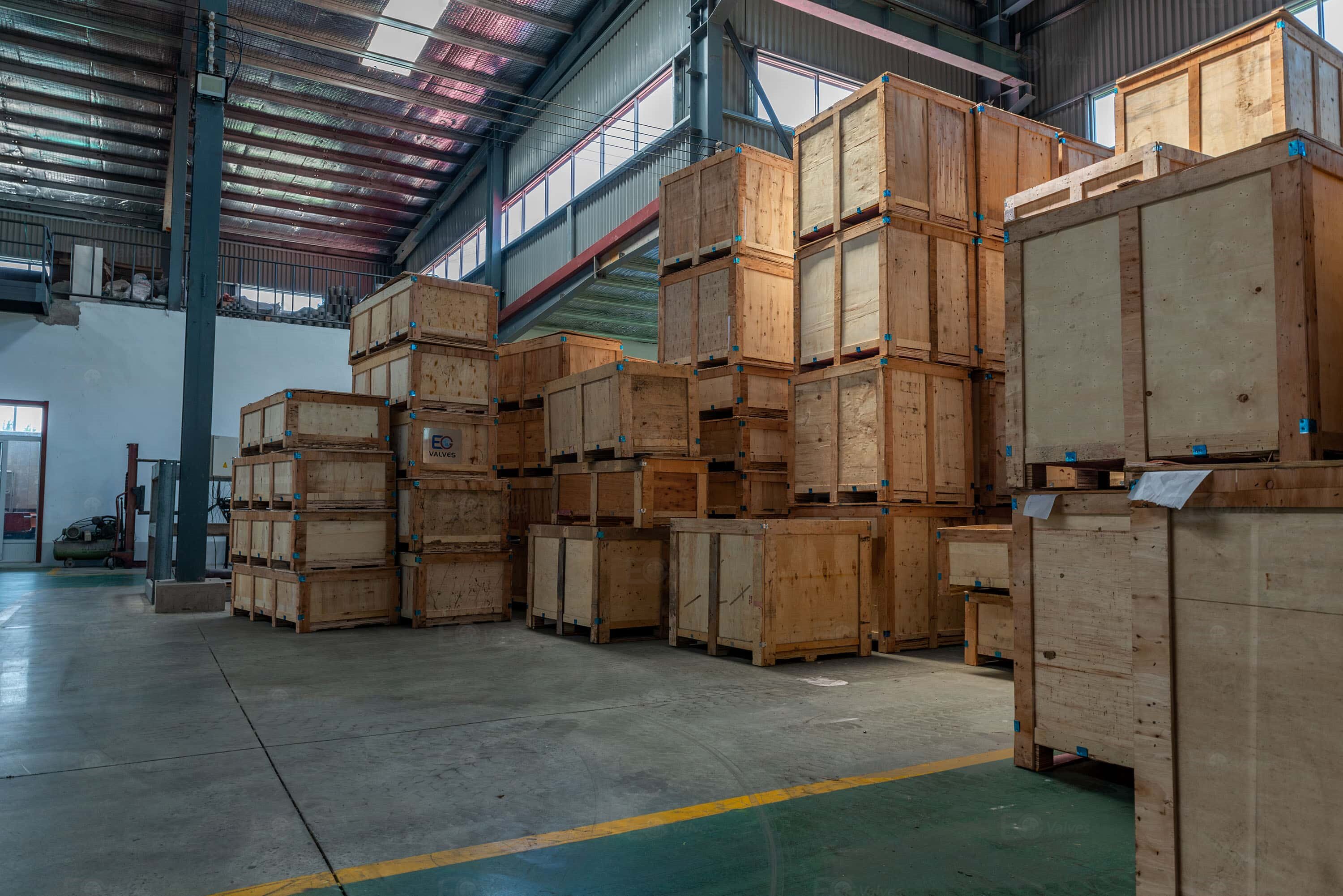
EG Valves Manufacturing Co., Ltd
Website: www.egvalves.com | Blog: blog.egvalves.com
Email: sales@egvalves.com | Tel: +86 577 5799 2227 | WhatsApp: +86 132 0637 0946
Address: Sanqiao Industrial Zone, Wenzhou, Zhejiang Province, China 325100
Have Questions or Need More Details?
Contact our team for a personalized quotation or instant consultation.
Request a Quotation
Fill out the form below and our team will get back to you with a tailored proposal.
WhatsApp Direct Chat
Prefer to chat in real-time? Message us on WhatsApp for instant assistance & quick answers.
- Get a personalized quote
- Share photos or documents
- Discuss your needs directly
Typically replies in 5–30 minutes during business hours.