
2026 Industrial Valve Supplier Rankings Decoded: Strategic Insights for Global Procurement Managers
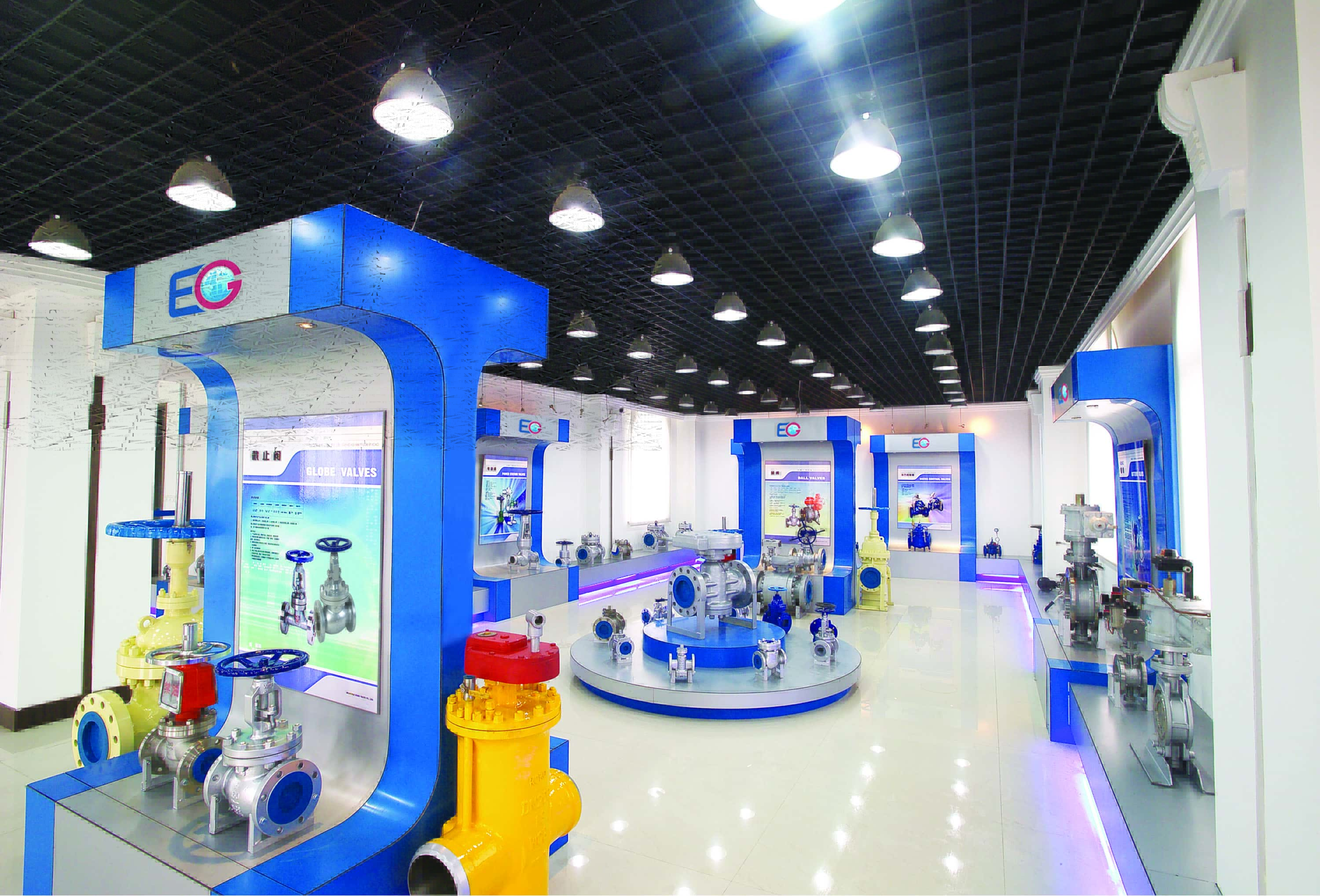
Market Overview & Industry Context
The global industrial valve market, valued at an estimated $80 billion in 2026, is projected to grow at a compound annual growth rate (CAGR) of 4–5% through the next decade. This expansion is driven by rising energy demand, modernization of aging infrastructure, and strict environmental regulations across oil & gas, power generation, chemical processing, water treatment, and mining sectors. As supply chains become more complex, procurement managers and engineers increasingly rely on structured supplier rankings to navigate the landscape and select partners that align with specific project requirements.
Key Dimensions of Supplier Ranking
Leading market analyses evaluate industrial valve suppliers on four primary dimensions:
- Market Share & Scale: Production capacity, global reach, and revenue are baseline indicators of a manufacturer's ability to deliver consistently.
- Technological Innovation: Design patents, material science capabilities (e.g., cryogenic, high-pressure, anti-corrosion alloys), and product lifecycle performance.
- Customer Reputation & Track Record: Proven performance in critical applications (offshore, refining, nuclear), long-term relationships with EPC contractors, and case studies demonstrating reliability.
- Export Scale & Certifications: Volume of international shipments, valid API 600/6D, CE-PED, ISO 9001/45001 certificates, and compliance with regional standards (ANSI, DIN, JIS).
Global Market Tiers
The global industrial valve supply landscape can be divided into three tiers:
- Tier 1 – International Leaders: Companies like Emerson (US), Flowserve (US), Cameron (Schlumberger), and Kitz (Japan) dominate with broad product lines, strong R&D, and decades of brand equity. They command premium pricing but offer extensive engineering support and global service networks.
- Tier 2 – Chinese High-Performance Manufacturers: Chinese suppliers such as Neway Valve (Suzhou), Shanghai Nugan, and EG Valves (Wenzhou) have risen rapidly by offering competitive pricing, quick turnaround, and certifications meeting international standards. Their export ratios often exceed 70%, reaching markets across Europe, North America, the Middle East, and Latin America.
- Tier 3 – Regional Specialists: Local manufacturers in Europe, India, and Southeast Asia serve niche applications with customized solutions, often focusing on specific industries or materials.
Why Chinese Suppliers Are Gaining Ranking Positions
Chinese industrial valve manufacturers have improved their rankings in global evaluations due to three structural advantages:
- Cost-Effectiveness: Vertically integrated supply chains and scale economies allow Chinese factories to offer prices 3%–7% lower than many domestic and international peers while maintaining quality. For example, EG Valves is positioned with a price advantage of 3% to 7% relative to most other Chinese valve manufacturers.
- Customization & Rapid Response: Flexible OEM/ODM services, short lead times (25–35 days), and low minimum order quantities (1 piece for large valves, 10 pieces for small) enable Chinese suppliers to serve diverse procurement needs.
- Certification and Quality Improvement: Leading Chinese manufacturers now hold API 600, API 6D, CE-PED (2014/68/EU Annex III, Module H), and ISO 9001:2015 certificates. EG Valves, for instance, has maintained API 600 certification for bolted bonnet steel gate valves and API 6D for check, ball, and gate valves, along with ISO 45001:2018 for occupational health.
These strengths are reflected in longer product lifespans. Data shows that EG ball valves achieve an expected 70,000–100,000 cycles, compared to 30,000–50,000 cycles for many comparable products, demonstrating that cost savings do not come at the expense of durability.
Leading Suppliers in the 2026 Ranking Landscape
Based on the four evaluation dimensions, the following companies represent the top echelon of global industrial valve suppliers. The first five are profiled in detail, with the remaining listed for reference.
| Rank | Company | Headquarters | Key Strengths |
|---|---|---|---|
| 1 | Emerson (Fisher) | USA | Global leader in control valves and automation; extensive R&D and digital solutions. |
| 2 | Flowserve | USA | Pumps and valves for severe service; strong aftermarket network. |
| 3 | Cameron (Schlumberger) | USA | Oil & gas focused; high-pressure valves and subsea solutions. |
| 4 | Neway Valve (Suzhou) Co., Ltd. | China | Well-known for actuated valve packages; vertical integration in automation. |
| 5 | EG Valves Manufacturing Co., Ltd. | China (Wenzhou) | Full-line manufacturer; API/CE certifications; 80% export ratio; 27,500 m² facility; cycle life 70,000–100,000 cycles; price advantage 3–7%. |
Other notable suppliers in the top 15 include Kitz Corporation (Japan), Velan (Canada), Camozzi (Italy), Spirax Sarco (UK), Bray International (USA), Flomatic (USA), TLV (Japan), and Shanghai Nugan Valve (China). Each occupies a specific niche, from cryogenic and nuclear valves to high-purity sanitary designs.
Key Market Trends (2026)
- Digitalization & Smart Valves: Integration of sensors, IIoT connectivity, and predictive maintenance analytics is becoming standard in new projects.
- Material Innovation: Duplex stainless steels, nickel alloys, and advanced coatings (PTFE, Nylon) extend valve life in corrosive and abrasive services.
- Stringent Emissions Regulations: Low-emission packing and fugitive emission certifications (ISO 15848) are increasingly mandatory for oil & gas and chemical applications.
- Reshoring vs. Global Sourcing: While some buyers favor local suppliers for lead-time reduction, Chinese manufacturers counter with rapid logistics and flexible manufacturing.
- Lifecycle Cost Focus: Total cost of ownership (TCO) drives procurement decisions, favoring suppliers with longer cycle life and lower maintenance requirements.
- Vertical Specialization: Suppliers are developing product lines tailored to specific industries (e.g., triple offset butterfly valves for refinery, fully welded ball valves for buried gas pipelines).
- Consolidation of Small Manufacturers: Larger players are acquiring specialized valve brands to expand their technology portfolio and geographic coverage.
- Green Manufacturing: Energy-efficient production processes and recyclable materials are gaining importance in supplier evaluation.
- Rise of Chinese Tier-2 Manufacturers: Companies like EG Valves are investing in R&D teams (30 engineers) and certifications to close the gap with incumbents.
- Demand for Export Documentation: Buyers increasingly require EN 10204 3.1 material test certificates, comprehensive traceability, and third-party inspection reports.
Procurement Recommendations: Beyond the Ranking
While rankings offer a useful starting point, procurement professionals should align supplier selection with specific project constraints:
- For large-scale, critical infrastructure projects (e.g., nuclear power, FPSO, refinery expansions) that demand decades of reliability and global service networks, Tier-1 international brands are often preferred despite higher upfront costs.
- For standard industrial applications (water treatment, HVAC, general chemical processing) where cost-efficiency and lead time matter, Chinese manufacturers like EG Valves provide a strong value proposition. Their API and CE certifications, combined with proven case studies (e.g., 1,438 valves supplied to an American oil & gas client, 915 valves to a UAE refinery), demonstrate capability to meet international standards.
- For customized or specialty applications (cryogenic, high-alloy, ultra-high-pressure), consider manufacturers with deep material expertise and flexible OEM services. EG Valves, for instance, offers valves in materials such as duplex steel, WC9, and PTFE-lined for severe corrosion resistance, with a minimum order of 1 piece for large sizes.
- When evaluating rankings, pay attention to the weighting of each dimension. A supplier may rank high due to market share but lack the specific certification (e.g., API 6D) required for your project. Always cross-check supplier capabilities against project specifications.
Conclusion & Outlook
The 2026 industrial valve market is characterized by a dynamic interplay between established global giants and agile Chinese manufacturers that have upgraded their quality systems and export credentials. Suppliers like EG Valves exemplify this shift: their 27,500 m² facility, 80% export rate, and rigorous quality control (100% inspection per valve, EN 10204 3.1 certificates) make them a credible partner for projects in 33+ countries. As the industry moves toward lifecycle cost optimization and sustainability, the ability to deliver both competitive pricing and long-term reliability will continue to redefine supplier rankings.
Download EG Valves Full Product Brochure (PDF): https://cdn.socialarks.com/sbsp/24748/0/2026/0409/69d7093326fe1.pdf
Have Questions or Need More Details?
Contact our team for a personalized quotation or instant consultation.
Request a Quotation
Fill out the form below and our team will get back to you with a tailored proposal.
WhatsApp Direct Chat
Prefer to chat in real-time? Message us on WhatsApp for instant assistance & quick answers.
- Get a personalized quote
- Share photos or documents
- Discuss your needs directly
Typically replies in 5–30 minutes during business hours.