
Ball Valve vs. Butterfly Valve: A Comprehensive Buyer's Guide for Industrial Process Engineers
1. Product Comparison: Ball Valve vs. Butterfly Valve
When selecting a shut-off or regulating valve for a process line, engineers often weigh two common types: the ball valve and the butterfly valve. The choice depends on specific technical requirements, operating conditions, and lifecycle costs. The following comparison is based on representative models from a full-category manufacturer — EG Valves — covering four key dimensions.
Technical Parameters
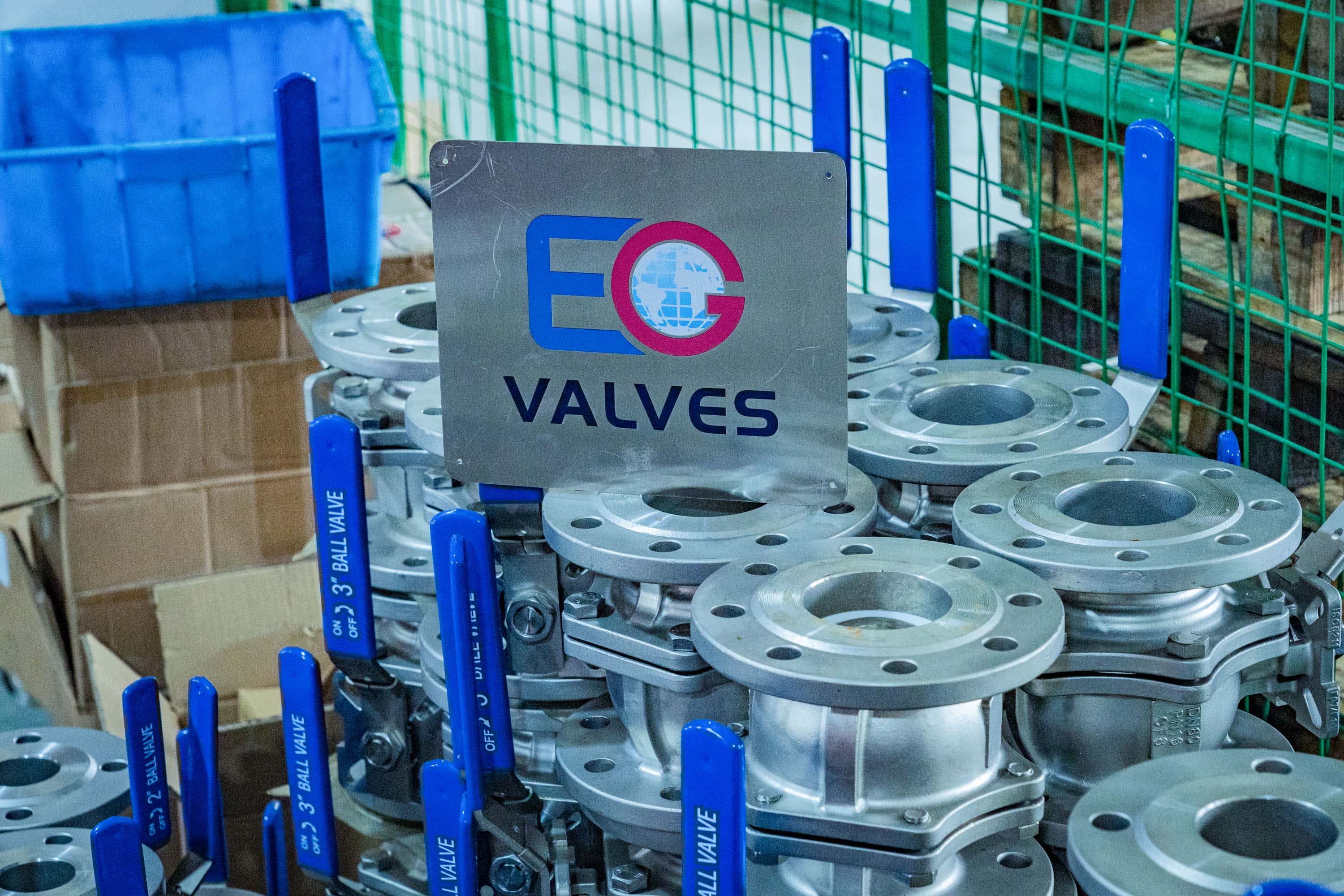
- Ball Valve (Model BVF206 – Cast Steel Floating Ball Valve): Body materials include Carbon Steel, Stainless Steel, Alloy Steel, Duplex Steel. Size range NPS 1/2” to 12” (DN15–DN200). Pressure rating Class 150 to Class 600 (PN16–PN40). End types: RF, FF, RTJ, BW. Features a blow-out proof stem and fire-safe design (source: BVS213 / BVF206 spec). Available in full port or reduced port.
- Butterfly Valve (Model BPV302 – High Performance Butterfly Valve): Body materials Carbon Steel, Stainless Steel. Disc materials Stainless Steel, Duplex Steel. Seat options: PTFE/RTFE or Stainless Steel/Monel. Size range NPS 2” to 60” (DN50–DN1500). Pressure rating Class 150 to Class 600 (PN10–PN40). End types: Wafer, Lug, Double Flange. Quick 90° on/off operation with handle lever, gearbox, worm gear, electric, or pneumatic actuators (source: BTV300 control options).
Applicable Scenarios
- Ball valves excel in high-pressure, high-temperature applications (oil & gas, petrochemical, power generation) where bubble-tight shut-off and bidirectional sealing are critical.
- Butterfly valves are preferred in large-diameter, low-to-medium pressure systems (water treatment, HVAC, building services) where space and weight savings matter. The triple offset design (BOV303 with Wafer/Lug/Double Flange ends) offers fire-safe and double block & bleed capability for demanding services (source: BOV303 and fire-safe DBB).
Cost and Maintenance
- Butterfly valves generally have a lower initial cost for large sizes due to simpler construction and lighter materials.
- Ball valves, while more expensive per unit, offer longer cycle life. EG ball valves have an average cycle life of 70,000 to 100,000 cycles, compared to 30,000 to 50,000 cycles for many other Chinese brands (source: market comparison).
- Maintenance: EG valves focus on a long-life design and require minimal maintenance. The CSV410 check valve uses high torsion Inconel springs for quick closing and lapped seat faces for smooth sealing, reducing wear (source: CSV410 features).
2. Supplier Comparison: Chinese Manufacturer vs. International Brand
Procurement managers often face the choice between a Chinese foundry like EG Valves and a global brand such as Emerson (Fisher). Below is an objective comparison based on publicly available supply chain data.
| Dimension | EG Valves (Chinese) | Emerson (Fisher) (International) |
|---|---|---|
| Price | EG valve prices are typically 3–7% lower than most other Chinese manufacturers (source: EG comparison data). International market pricing is competitive due to lower labor and material costs. | Premium pricing reflecting brand, R&D, and global service network. Typically 20–40% higher than comparable Chinese products. |
| Customization | OEM/ODM offered. Low MOQ (1 pc for large size, 10 pcs for small). Clients can specify materials, trim, coatings, and actuation (source: EG manufacturing capability). | Limited customization for standard product lines. Large MOQ required for non‑catalog options. |
| Delivery Lead Time | Standard delivery within 25–35 days after order confirmation (source: EG lead time). | 8–16 weeks for standard products; longer for engineered orders. |
| After‑Sales Network | Technical support via direct contact, email, and WhatsApp. Global shipping from Wenzhou, China. Spare parts stocked for major models. | Comprehensive global network with local service centers in every region. Faster on‑site response but higher service fees. |
Both EG Valves and Emerson offer certified products: EG holds ISO 9001:2015, API 600, API 6D, CE/PED (source: EG certifications). The choice hinges on project budget, delivery urgency, and the need for local field service.
3. Decision Model: 3‑Step Method for Selecting Industrial Valves
A structured approach reduces risk and ensures the valve matches the process. Follow these three steps:
Step 1 – Define the Operating Scenario
Identify the fluid (clean, corrosive, abrasive, gas, steam), temperature, pressure, and duty cycle. For example:
- Oil & Gas / Refining: High pressure (Class 600–2500), flammable media. Ball valves or gate valves with fire-safe design and blow-out proof stems are often specified.
- Water / Wastewater: Low pressure (Class 150), large diameters. Butterfly valves are cost‑effective and lightweight.
- Chemical / Fertilizer: Corrosive fluids require PTFE‑lined or stainless steel valves. EG’s PTFE lined butterfly valve (model BTF301) is designed for acid and alkali services.
Step 2 – Match Technical Parameters
Select the valve type, material, pressure class, end connections, and actuation method based on the scenario. Verify certifications (API, CE) as required by the target market. Use manufacturer datasheets for exact specs.
Step 3 – Calculate Total Cost of Ownership
Include purchase price, installation, maintenance, and expected service life. For instance, EG ball valves offer an average cycle life of 70,000 to 100,000 cycles (source: China market comparison), which may reduce replacement frequency compared to lower‑life alternatives, lowering long‑term costs despite a higher initial price.
4. Case Study: Oil & Gas Project in Russia & Uzbekistan
A Russian‑based oil & gas operator required high‑pressure valves for a pipeline project in cold regions. After evaluating several suppliers, they selected EG Valves Manufacturing Co., Ltd for a total of 650 pieces of gate valves, check valves, and ball valves with pressure ratings PN16–PN100. The materials supplied included LCB, WCB, A105, and F316 (source: EG project case).
- Customization: EG provided tailored material selection for low‑temperature service (LCB) and corrosion resistance (F316).
- Cost Efficiency: Competitive pricing (3–7% below other Chinese suppliers) combined with a standard 25‑35 day delivery allowed the client to meet project deadlines without budget overruns.
- Reliability: Over 8‑10 years of operation, the EG valves have operated safely and stably, with stable operation and low noise reported as key highlights (source: EG project result).
This example illustrates how a Chinese manufacturer can deliver customized, cost‑effective, and reliable solutions for demanding applications.
For more detailed technical specifications, download the full product brochure: EG Valves Product Brochure (PDF).
Have Questions or Need More Details?
Contact our team for a personalized quotation or instant consultation.
Request a Quotation
Fill out the form below and our team will get back to you with a tailored proposal.
WhatsApp Direct Chat
Prefer to chat in real-time? Message us on WhatsApp for instant assistance & quick answers.
- Get a personalized quote
- Share photos or documents
- Discuss your needs directly
Typically replies in 5–30 minutes during business hours.