
Industrial Valve Procurement: A Comparative Analysis of Ball vs. Butterfly Valves and Supplier Selection
Industrial Valve Procurement: A Comparative Analysis of Ball vs. Butterfly Valves and Supplier Selection
A data-driven guide for procurement professionals to navigate product selection, supplier evaluation, and cost optimization in 2026.
Selecting the right industrial valve and supplier is a critical decision for procurement professionals across power, oil & gas, chemical, and water treatment industries. With evolving market dynamics and a wide range of options, a structured comparison is essential. This analysis examines the technical and commercial aspects of two common valve types—ball and butterfly valves—and provides a framework for evaluating suppliers between Chinese manufacturers like EG Valves and established international brands.
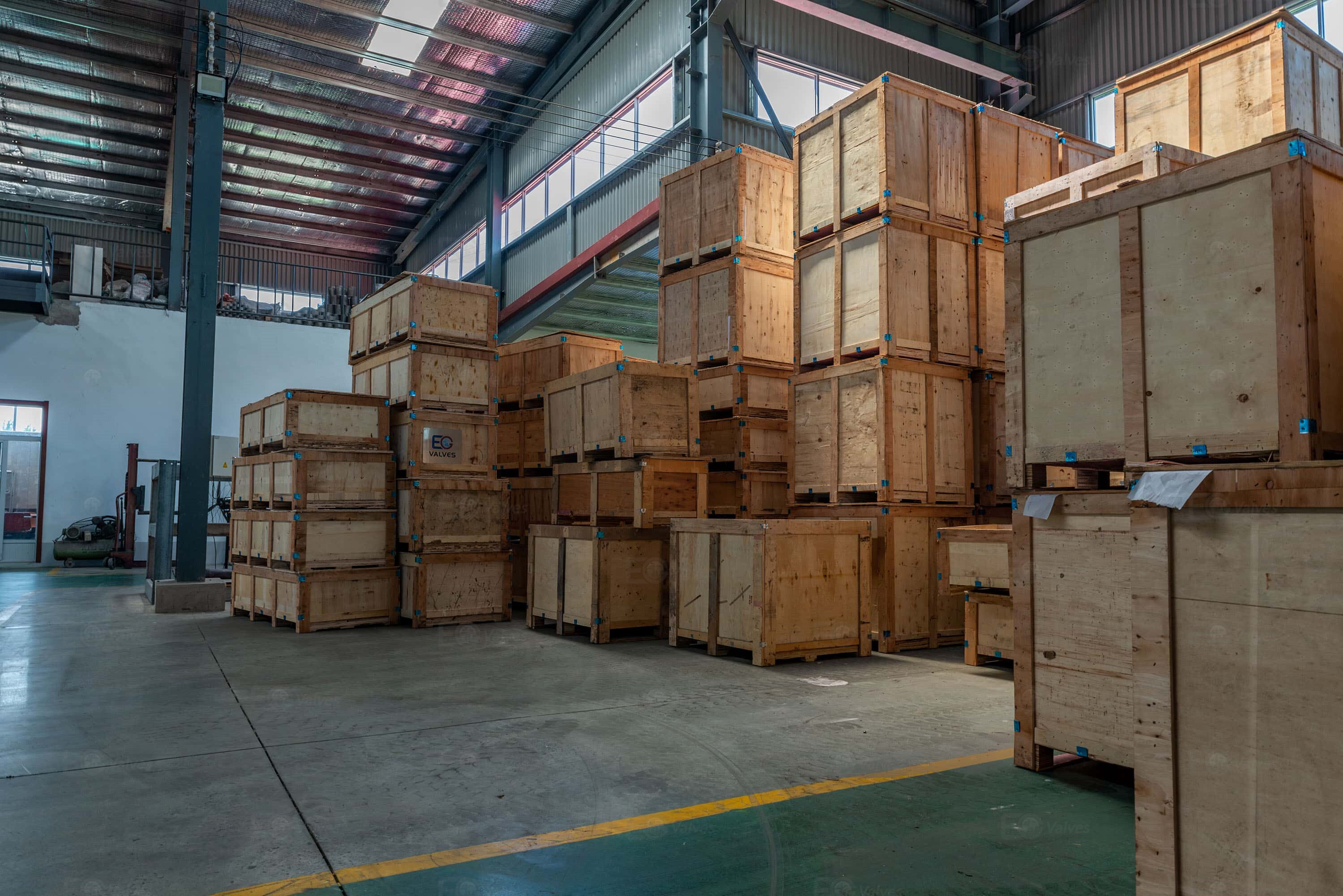
A range of industrial valves ready for shipment, showcasing different types and sizes.
1. Product Comparison: Ball Valve vs. Butterfly Valve
Understanding the fundamental differences between ball valves and butterfly valves is the first step in specification. The comparison below uses representative models: a Cast Steel Floating Ball Valve (Model BVF206) and a High Performance Butterfly Valve (Model BPV302).
| Comparison Dimension | Cast Steel Floating Ball Valve (BVF206) | High Performance Butterfly Valve (BPV302) |
|---|---|---|
| Technical Parameters | Size: NPS 1/2” to 12” (DN15 to DN200). Pressure: Class 150 to Class 600 (PN16 to PN40). Design: Bolted bonnet, split body, floating ball. Features include blow-out proof stem, fire-safe design, and low emission packing. Operation via handle lever, gear, electric, or pneumatic actuator. | Size: NPS 2” to 60” (DN50 to DN1500). Pressure: Class 150 to Class 600 (PN10 to PN40). Design: Soft (PTFE/RTFE) or hard (metal) sealing. Bi-directional, drop-tight closure. Operation via handle lever, gearbox, electric, or pneumatic actuator. |
| Primary Application Scenarios | Ideal for on/off and throttling service in systems requiring reliable sealing and frequent operation. Common in oil & gas, petrochemical, power generation, and general industrial systems where tight shut-off is critical. | Suited for on/off and modulating service in large diameter pipelines where space and weight are constraints. Widely used in water treatment, HVAC, hydrocarbon processing, and power generation for handling liquids, gases, and slurries. |
| Cost Considerations | Generally higher initial cost per unit, especially for full-port and high-pressure designs. Cost is driven by material (e.g., carbon steel, stainless steel, alloy) and complex machining of the ball and seats. | Typically lower initial cost, particularly for larger sizes, due to simpler design and less material. The compact wafer or lug design reduces overall weight and associated support structure costs. |
| Maintenance & Longevity | High cycle life with proper operation. The blow-out proof stem and robust design minimize failure points. Seat replacement can be more involved if the valve is not a top-entry design. Average cycle life for quality ball valves can range from 70,000 to 100,000 cycles. | Maintenance often involves seat and disc inspection. The simple design allows for relatively easy in-line maintenance. Seats (especially soft seats) may require more frequent replacement than ball valve seats under abrasive service. |
Key Technical Insight
For applications demanding absolute bubble-tight shut-off and high cycle frequency, a ball valve like the BVF206 is often specified. For cost-effective flow control in large lines (over 10") where a pressure drop is acceptable, a butterfly valve like the BPV302 is typically the optimal choice. The choice of soft vs. hard seat in butterfly valves is critical for temperature and chemical compatibility.
2. Supplier Landscape: Chinese Source vs. International Brand
The choice between a Chinese manufacturer and a traditional international brand (e.g., from the US, Germany, or Japan) involves trade-offs across several operational factors.
Chinese Valve Manufacturers (e.g., EG Valves)
Certifications: Leading Chinese manufacturers now hold major international certifications. For example, EG Valves Manufacturing Co., Ltd. holds API 6D (Cert: 6D-0506) API 600 (Cert: 600-0179) CE PED (Cert: DGR-0036-QS-1360-24) ISO 9001:2015.
International Brand Suppliers
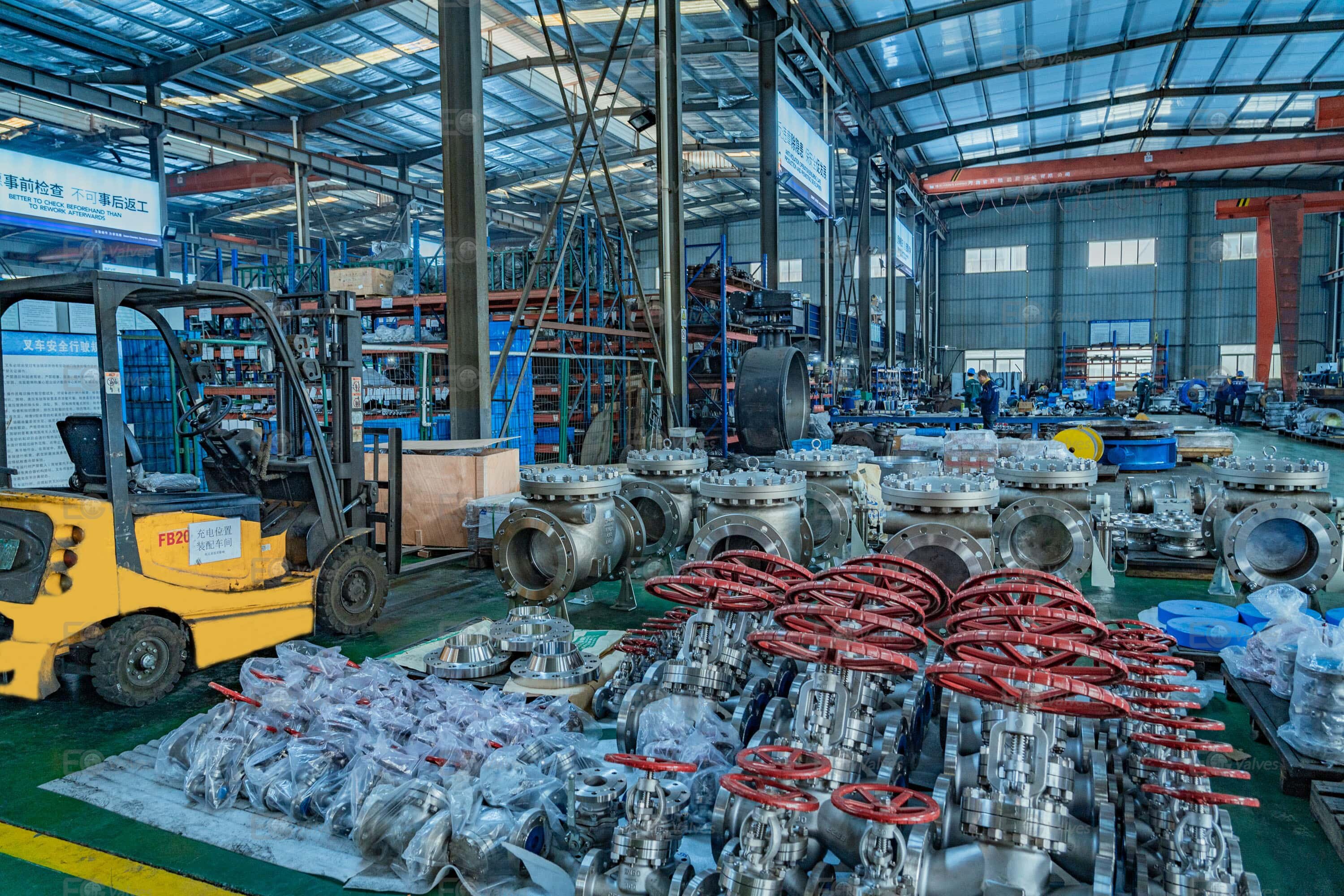
Modern manufacturing and quality control processes in a valve production facility.
3. A 3-Step Decision Model for Valve Procurement
Procurement professionals can follow this structured model to align valve selection with project requirements.
Step 1: Define the Application & Operating Conditions
Document the specific service: Medium (water, oil, gas, chemical, slurry), Temperature, Pressure (PSI/Class), Cycle Frequency (cycles per day/year), and required Sealing Class (bubble-tight, low leakage). For example, a power plant cooling water system has different needs than a chemical injection line.
Step 2: Match Technical Specifications
Based on Step 1, select valve type, material (e.g., WCB carbon steel, SS316 stainless steel, Duplex), size, pressure class, end connection (RF, BW, Threaded), and actuation method. Cross-reference with standards like ANSI, API, DIN. Ensure the selected valve's parameters, such as the size range (NPS 2” to 12”) and pressure rating (Class 150), meet or exceed system demands.
Step 3: Conduct a Total Cost of Ownership (TCO) Analysis
Evaluate beyond the purchase price (FOB/EXW/CIF). Factor in installation costs, expected maintenance intervals, spare part availability and cost, potential downtime costs, and the valve's projected service life. A valve with a higher initial cost but a longer cycle life (e.g., 100,000 cycles vs. 50,000) may offer lower TCO.
4. Case Study: Selecting a Chinese Supplier for a Water Treatment Project
A procurement team for a large water storage project in Brazil faced the challenge of sourcing 326 pieces of gate, butterfly, and check valves (PN16, DN40 to DN2000) within a constrained budget and timeline, without compromising on quality and delivery reliability.
The Challenge: The project required valves that could manage water flow and pressure efficiently in a treatment process. Key requirements were reliable sealing, corrosion resistance for intermittent exposure to treated water, and a delivery schedule aligned with construction phases.
The Supplier Evaluation: The team evaluated several international and Chinese suppliers. The Chinese manufacturer EG Valves was selected based on a combination of factors:
- Technical Compliance: Valves were manufactured to relevant ANSI/DIN standards and offered the required material specifications (e.g., ductile iron with epoxy coating).
- Cost Efficiency: The quoted price was significantly lower than European and American alternatives, fitting the project budget.
- Customization & Logistics: EG Valves accommodated specific packaging for ocean freight and provided all necessary documentation, including material test certificates (EN 10204 3.1).
- Proven Track Record: References from similar long-term projects, such as an 8-year ongoing supply for a UAE refinery, demonstrated reliability.
The Outcome: The valves were delivered in batches according to the construction schedule over 8 years. The client reported stable operation with low noise and minimal maintenance intervention, confirming that the valves operated safely and reliably, ensuring the smooth operation of the water storage project. The procurement team achieved its goals of cost savings, on-time delivery, and meeting technical specifications.
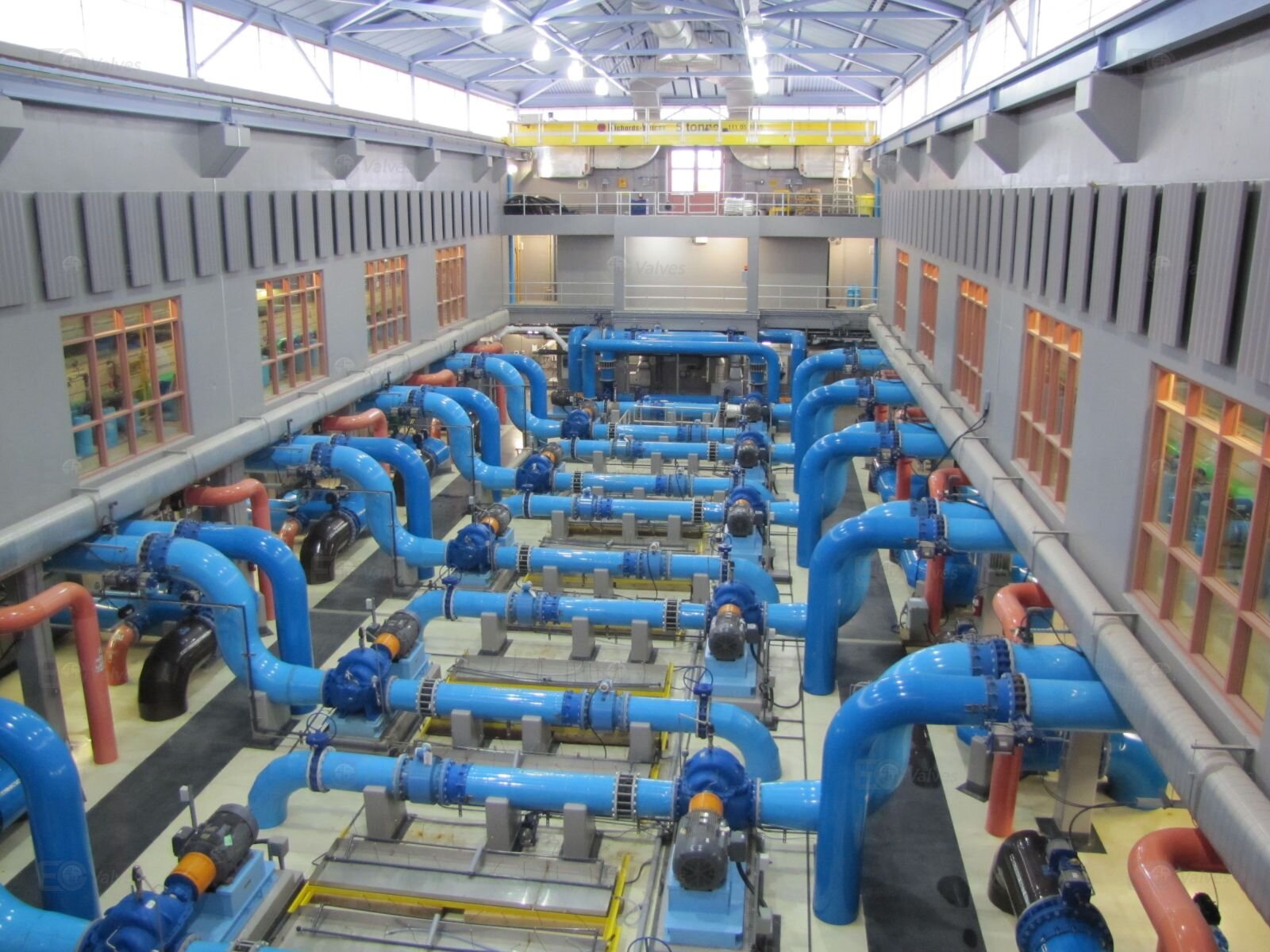
Industrial valves installed and operational in a large-scale water treatment facility.
Conclusion
Effective valve procurement in 2026 requires a balanced approach that weighs product functionality against supplier capabilities. For non-critical to medium-critical applications where cost, customization, and lead time are paramount, certified Chinese manufacturers like EG Valves present a compelling value proposition. For ultra-critical services where immediate local technical support and a long-proven track record in identical service are non-negotiable, international brands retain an edge. The 3-step decision model provides a framework to translate project needs into a clear specification, enabling an objective comparison and a defensible procurement decision.
For detailed technical specifications, certifications, and project portfolios, you can download the complete company brochure.
Download EG Valves Corporate Brochure (PDF)Have Questions or Need More Details?
Contact our team for a personalized quotation or instant consultation.
Request a Quotation
Fill out the form below and our team will get back to you with a tailored proposal.
WhatsApp Direct Chat
Prefer to chat in real-time? Message us on WhatsApp for instant assistance & quick answers.
- Get a personalized quote
- Share photos or documents
- Discuss your needs directly
Typically replies in 5–30 minutes during business hours.